5 Amazing Things You Didn’t Know About Calico Cats
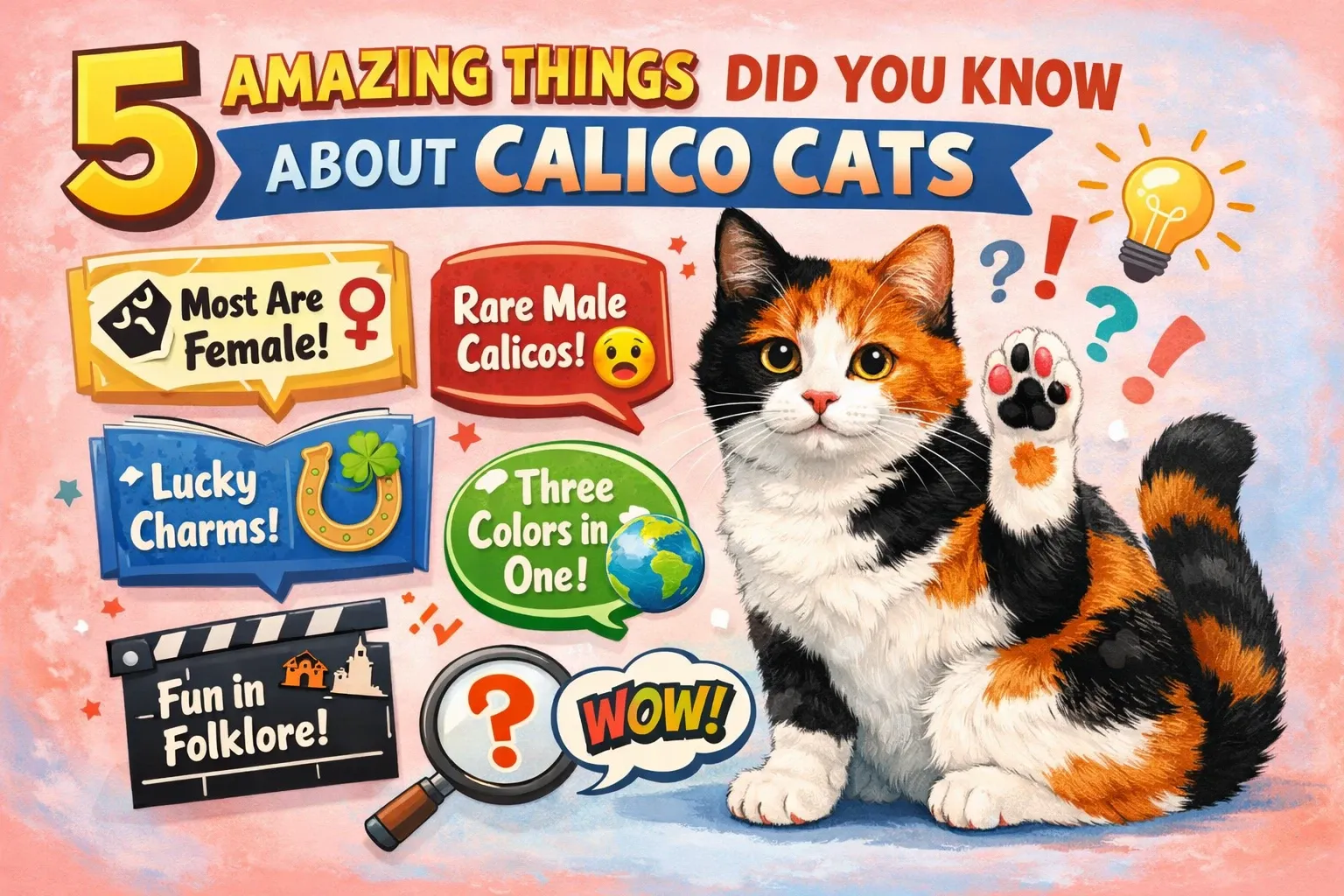
Calico cats are truly one of a kind. Their vibrant, tri-colored coats make them instantly recognizable and beloved by cat lovers around the world. But beyond their eye-catching fur patterns lies a world of fascinating genetics, cultural history, and personality traits that many people don’t know.
While many cat owners think they know everything about these unique felines, there’s much more beneath the surface. In this article, we’ll explore five surprising facts about calico cats — from their signature coats to cultural beliefs, gender genetics, and even official designations. Along the way, we’ll expand on each topic with up-to-date research and interesting anecdotes that give you a fuller picture of these remarkable cats.
1. They Have Signature Coats
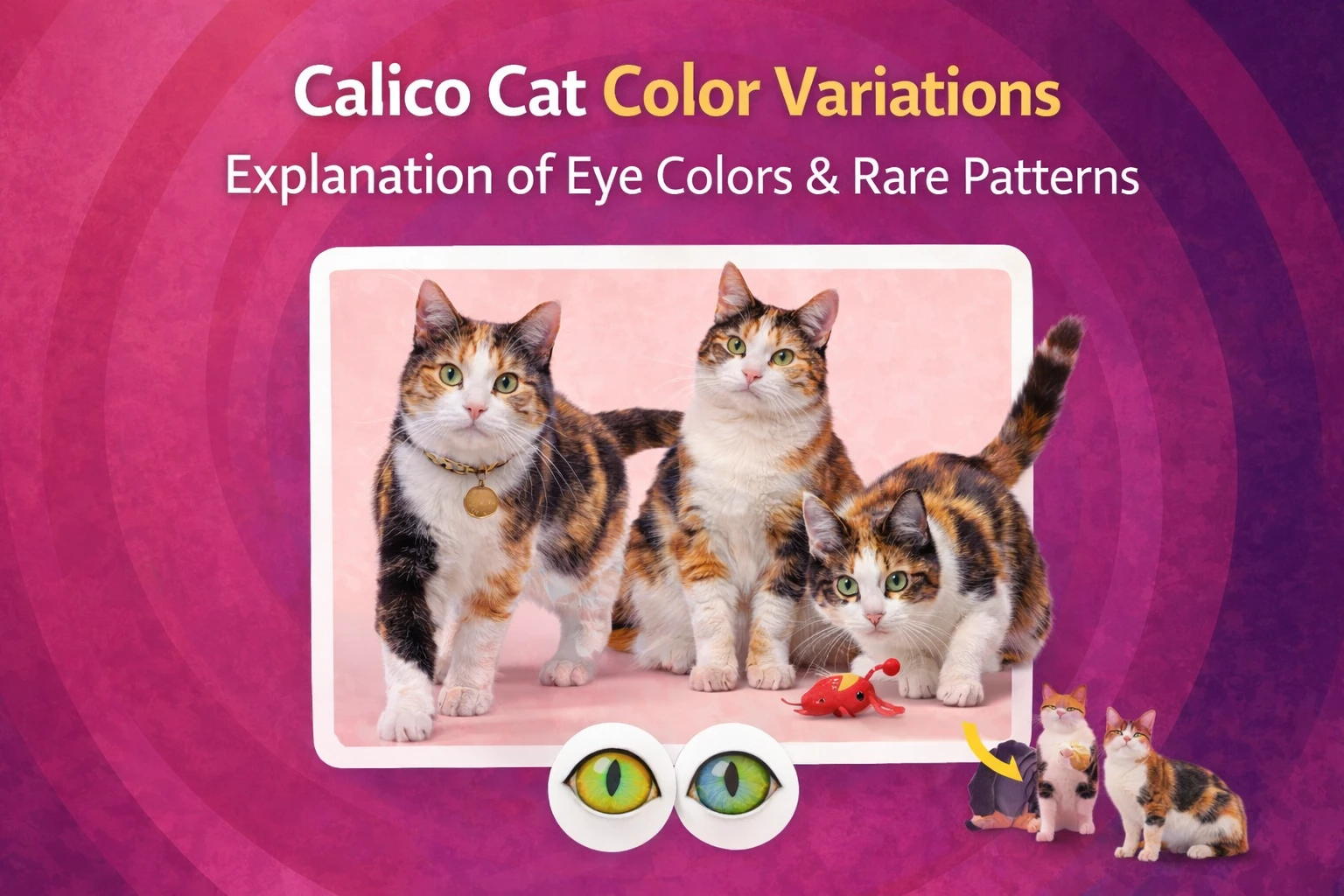
Calico cats are most famous for their distinctive coat pattern. The classic calico look consists of three colors: white, orange (or cream), and black (or gray). These colors appear in large, irregular patches that make each cat’s coat entirely unique.
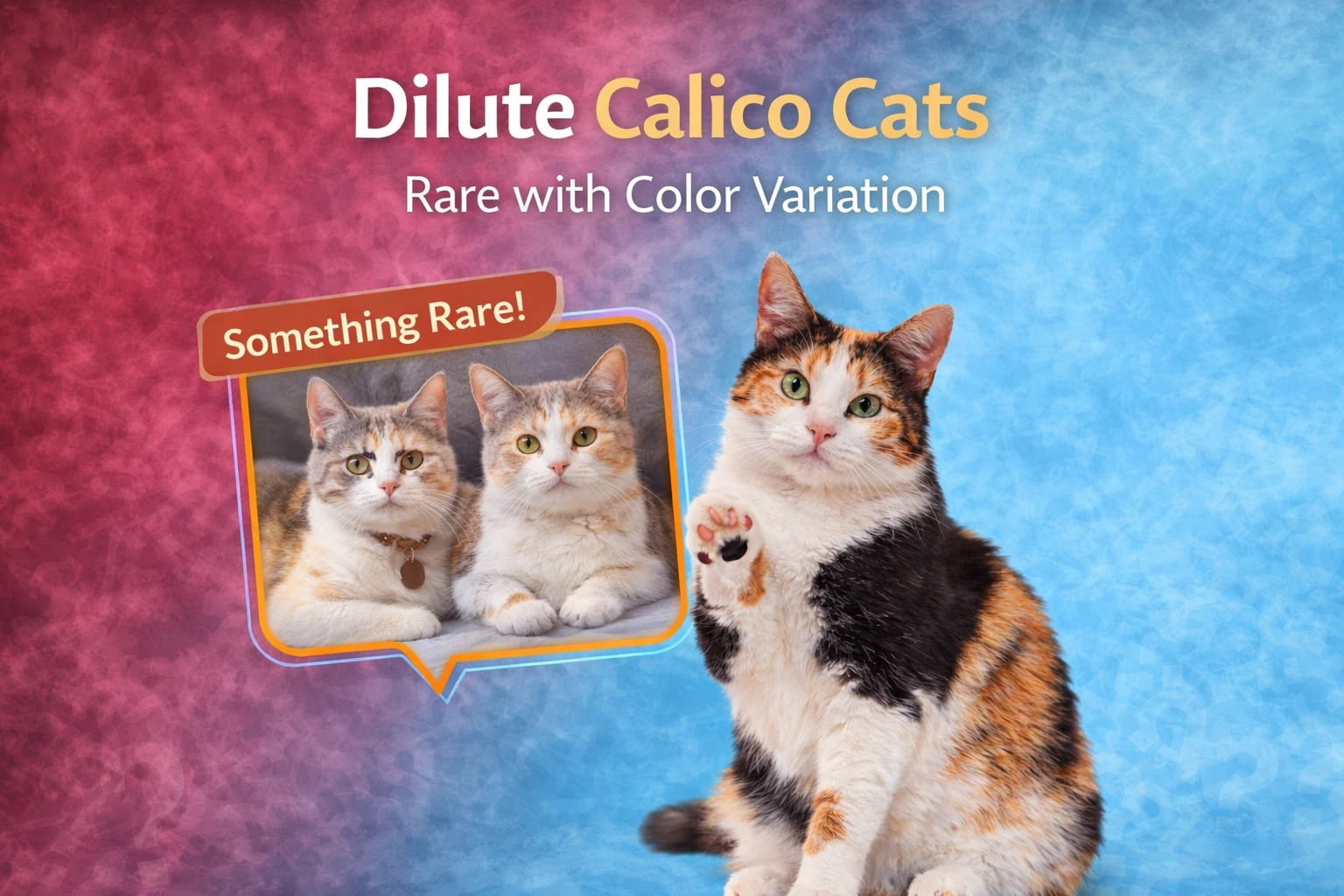
The pattern is not about breed or hair length. Instead, it is a coat pattern that appears when specific color genes interact in development. Some calicos are short-haired, others have long, flowing fur, and still others display a more muted “dilute” version where the patches appear as cream and gray instead of orange and black.
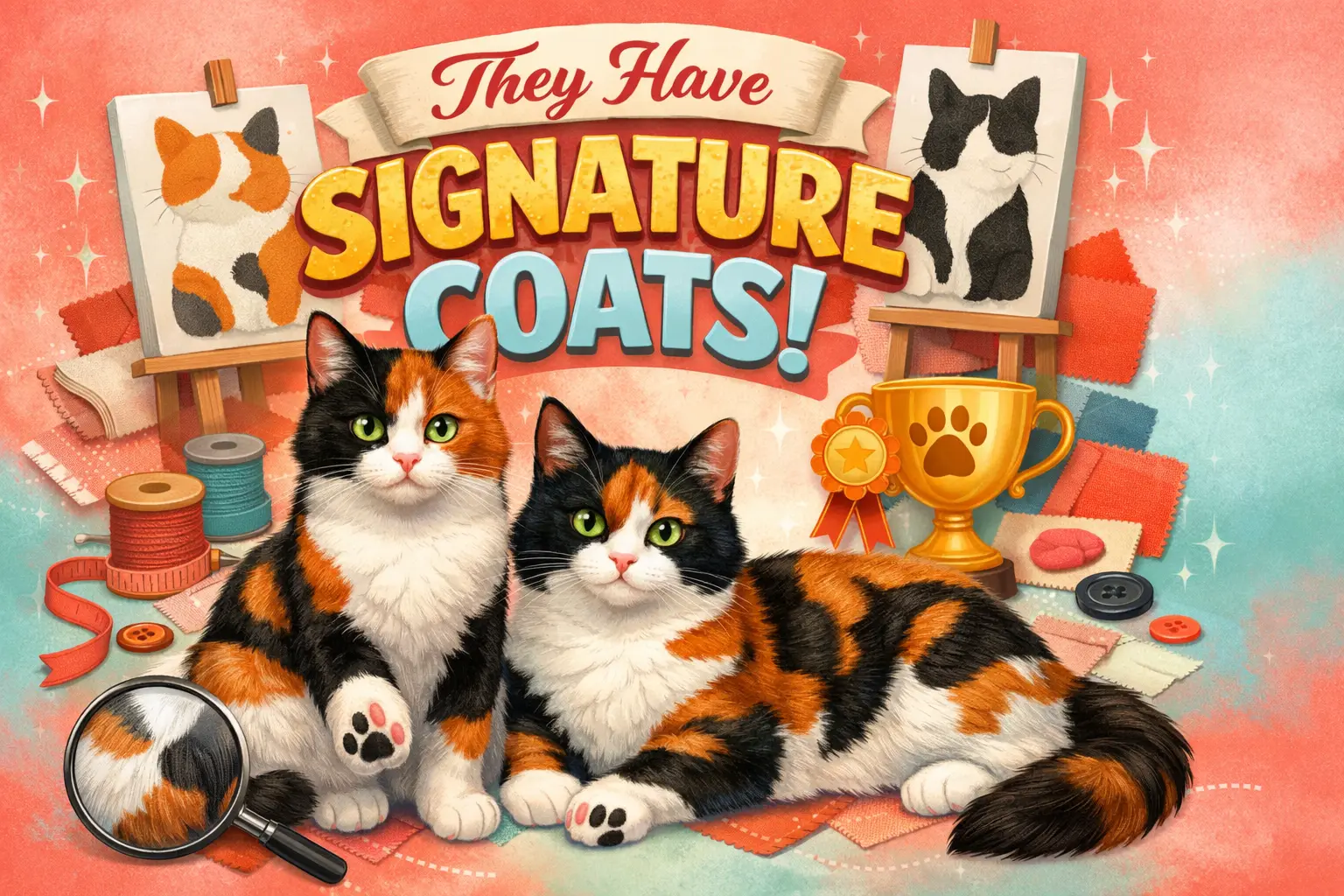
The striking appearance of calico cats has made them beloved symbols in art, advertising, and internet culture. Even within the same litter, no two calico kittens will have identical patterns, making each cat’s coat a natural work of art.
Beyond the visual appeal, calico cats often have interesting combinations of markings — some with small flecks of color, others with bold blocks across the body — each telling a tiny genetic story stitched into their fur.
2. Most, But Not All Calico Cats Are Female
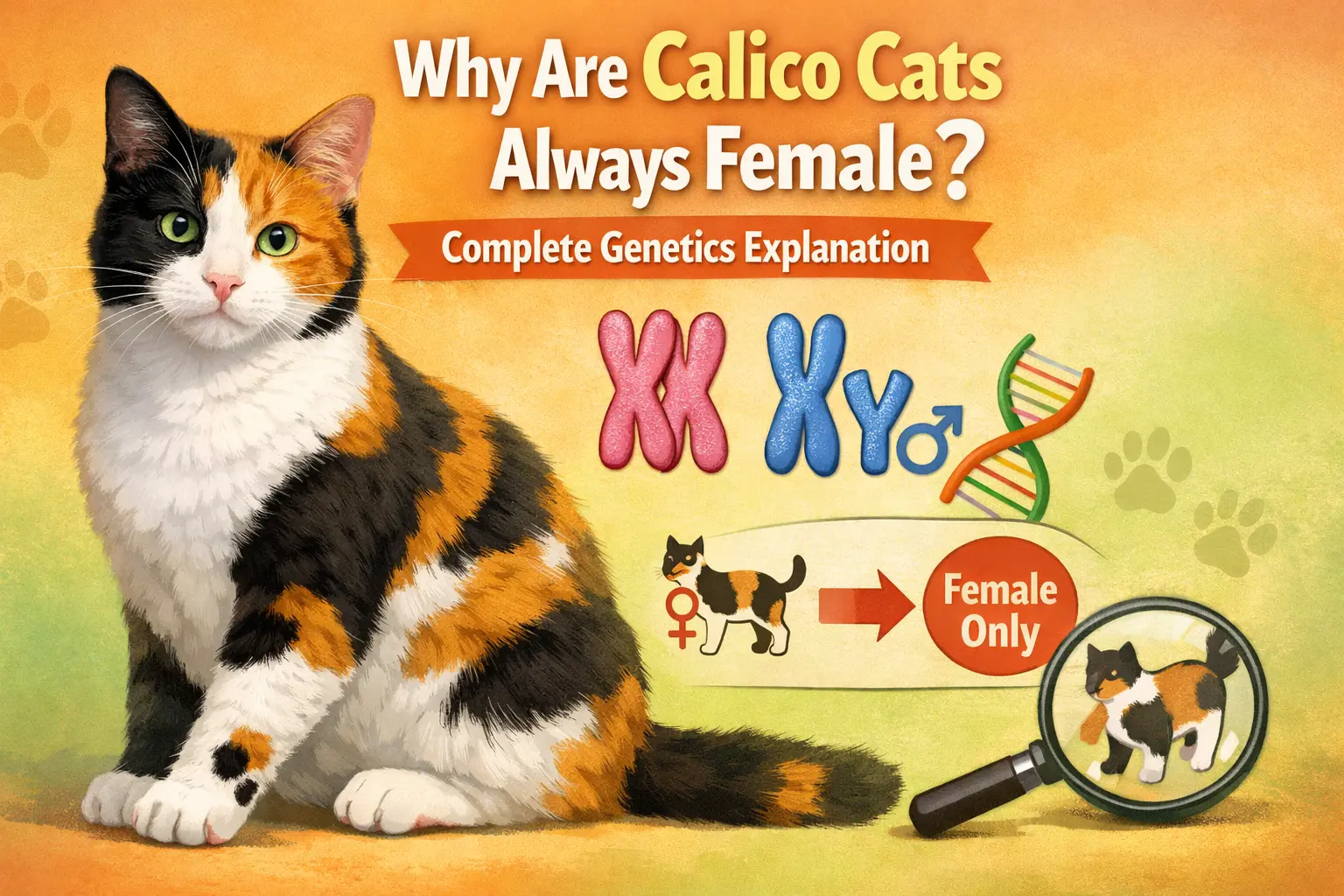
One of the most intriguing facts about calico cats is that almost all of them are female. The reason lies in feline genetics.
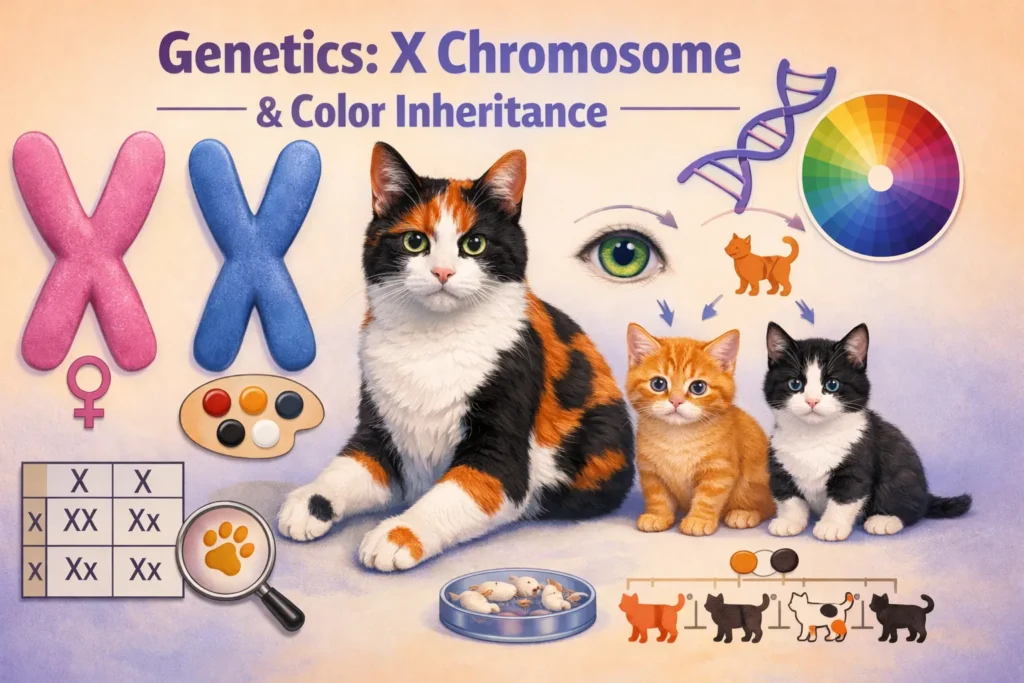
The colors that make a cat “calico” — orange and black — are linked to the X chromosome. Female cats have two X chromosomes (XX), and male cats have one X and one Y chromosome (XY). When a female kitten develops, one of her X chromosomes randomly shuts down in each cell, allowing for regions of orange and regions of black to appear in patches.
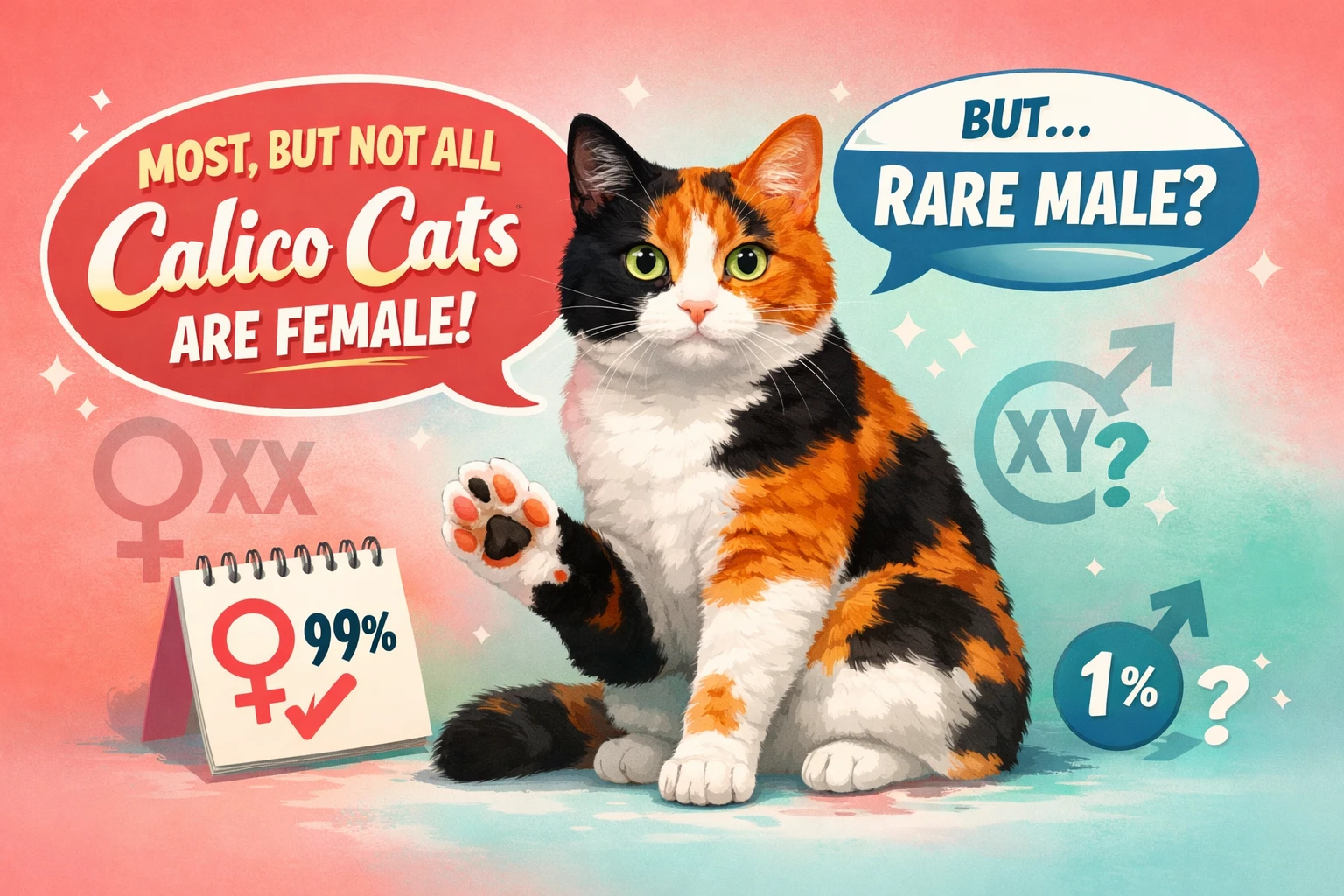
Because males only have one X chromosome, they typically can only express one color, not both. That’s why male calicos are exceedingly rare — most male calico cats are born with an extra X chromosome (XXY), a condition similar to Klinefelter syndrome in humans.
This condition can lead to fertility issues and other health complications in the few male calicos that do exist. While their rarity makes them highly unusual, it also highlights the complexity and wonder of feline genetics.
Understanding this genetic mechanism helps explain why so many calico cats are female, and why so few males ever show the classic tri-color pattern.
3. They Go by Many Names
Calico cats are so well-loved and widespread that people have given them various nicknames over time. In some places, calicos are called “tortoiseshell and white”, even though that term doesn’t precisely describe their pattern. In other regions, informal names like “tri-color cats” or “piebald cats” are common.
Another popular nickname in the United States is “money cat,” reflecting the belief that calicos can bring good fortune and prosperity. Similarly, in parts of Europe and Japan, calico cats are associated with luck and protection.
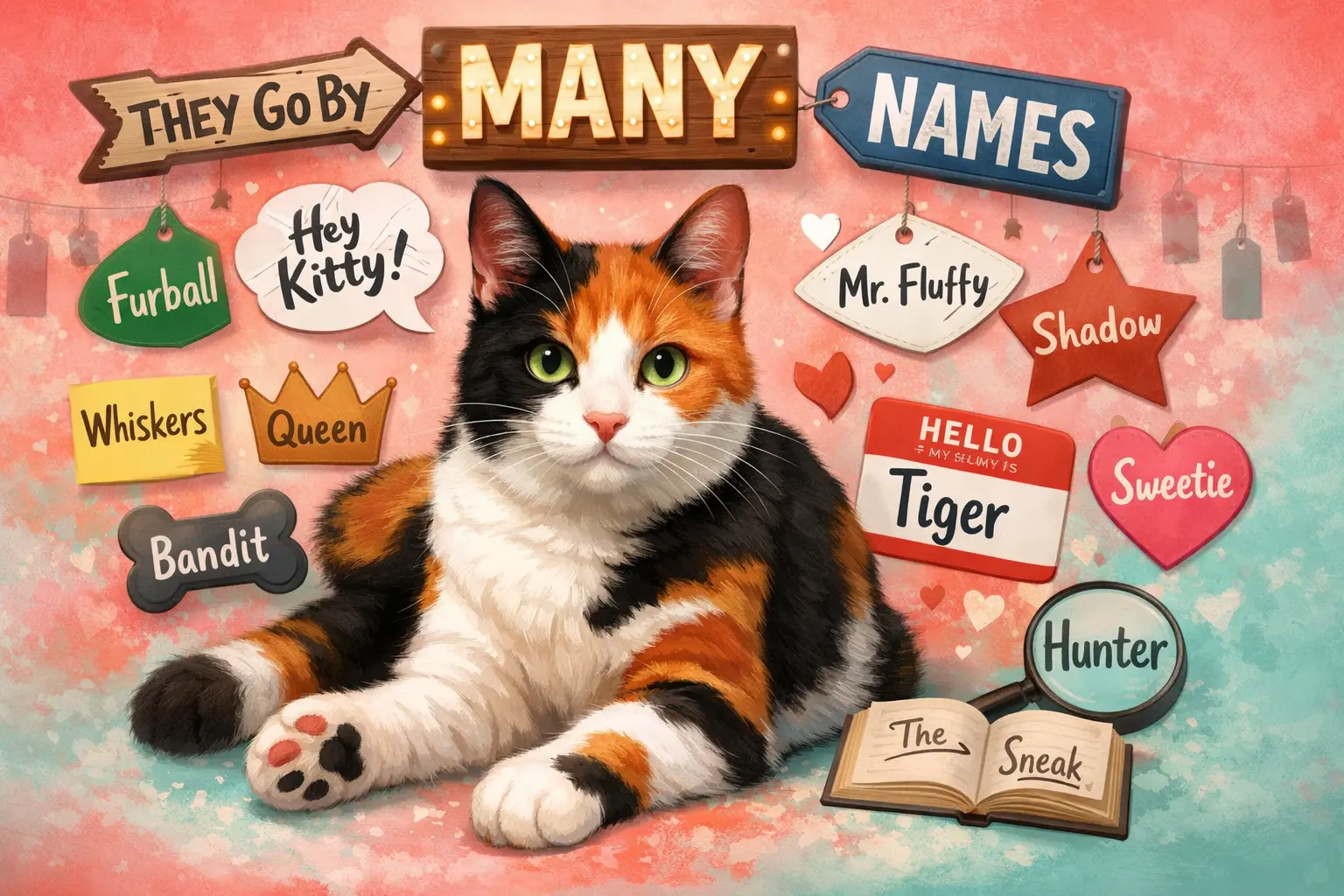
These names often reflect cultural beliefs and historical associations rather than scientific classifications. Because calico refers to a color pattern only, not a breed, the term gets used loosely in everyday conversation.
Despite the variety of names, human affection for these cats remains consistent. Whether called a calico, piebald, or money cat, the vibrant appearance and personality traits of these felines make them unforgettable.
4. An Entire State Adopted Them
Calico cats achieved official recognition in an unexpected place — the U.S. state of Maryland. In 2001, the calico was designated the official state cat of Maryland.
This choice was inspired by the striking resemblance between the calico’s coat colors — orange, black, and white — and the vibrant colors of Maryland’s state flag and state bird, the Baltimore oriole. The colorful coat became a living symbol that represents both the spirit and aesthetic heritage of the state.

Maryland’s adoption of the calico as its state cat reflects how deeply these cats have entered cultural consciousness. Their distinctive appearance makes them more than just pets — they are vibrant symbols recognized at the state level and celebrated across communities.
This honor also reflects the affection people have for calicos’ beauty, personality, and historical significance. For many Marylanders, calico cats are more than companions; they are iconic.
5. Calicos Might Be Good Luck Charms
Across many cultures, calico cats are believed to bring good luck and fortune to their owners. These beliefs appear in folktales, traditions, and symbolic art around the world.
In Japan, calico cats are often represented in the traditional Maneki-neko — the beckoning cat statue commonly seen in shops and homes for prosperity and good fortune. A calico version of Maneki-neko is considered especially lucky.
Sailors historically believed that having a calico cat on board offered protection during long voyages, helping to keep sailors safe from storms and misfortune at sea.
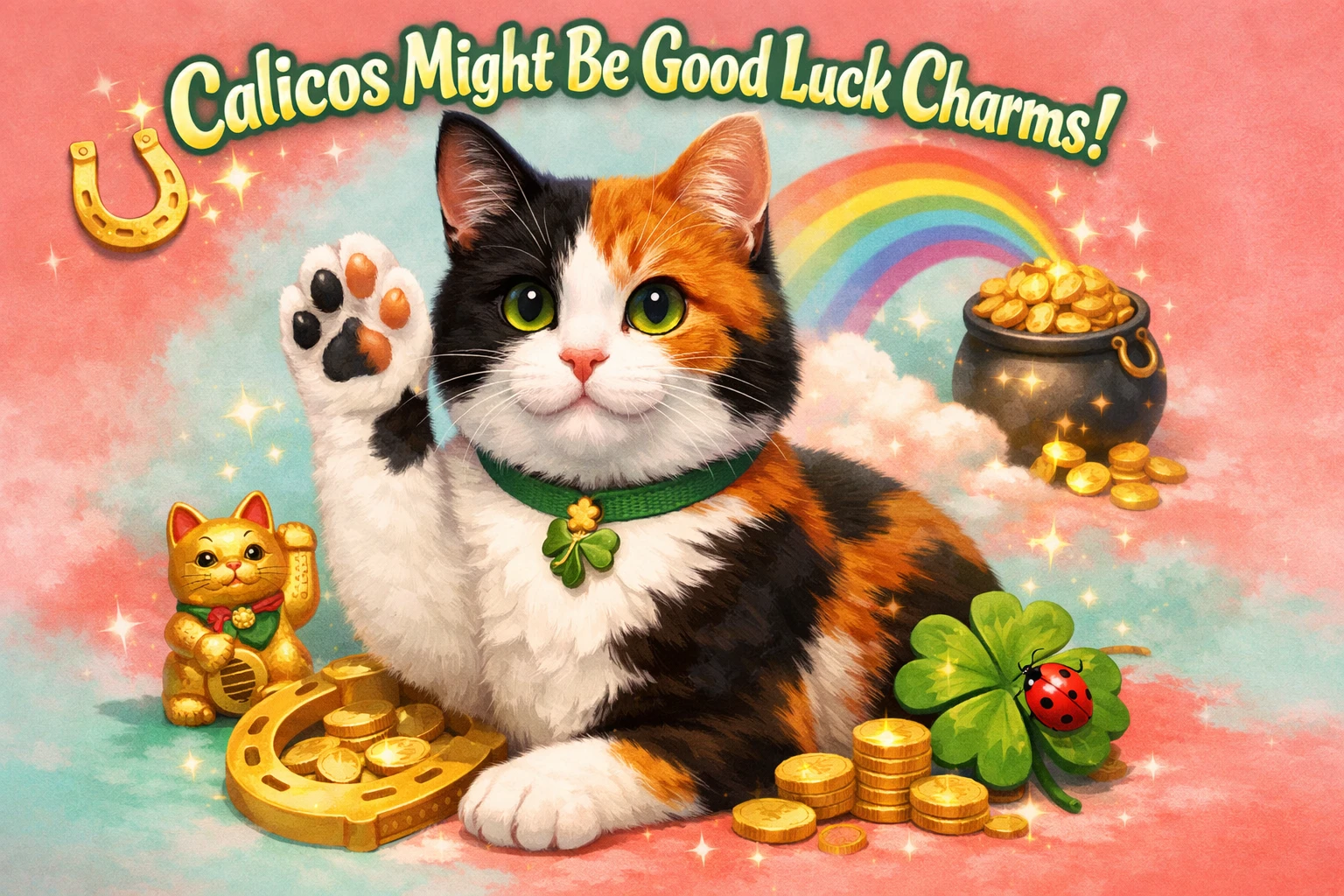
In parts of Europe, calicos were thought to bring financial luck when they walked through the house, while in some cultures, a calico’s arrival was considered a positive omen.
Although these beliefs are rooted in folklore and tradition rather than science, they show how deeply calico cats have woven into human culture. Whether you view these cats as guardians, symbols of good fortune, or simply beloved companions, their presence has inspired stories and beliefs across continents and generations.
Beyond the Basics: What Else Makes Calico Cats Fascinating?
While the five facts above reveal much about the appearance and cultural history of calico cats, there is even more to appreciate when you look closely at these remarkable felines.
One notable aspect is their personality. Many owners describe calico cats as bold, confident, and sometimes a little quirky. Although individual temperament varies just as it does among any other group of cats, calicos often leave a strong impression on those they live with.
Calico cats also show up frequently in art and media. Their eye-catching coats make them a favorite subject for photographers, illustrators, and even fashion designers. Some social media accounts are entirely dedicated to calicos, celebrating their beauty and individuality.
Another interesting point is that calico coloring can appear in many different shapes and sizes. From tiny domestic shorthairs to majestic long-haired breeds, the tri-color pattern can adorn a wide variety of body types.
Caring for a Calico Cat
Owning any cat is a long-term commitment, and calico cats are no exception. While calico coloring itself doesn’t require special care, the overall well-being of these cats depends on responsible pet care practices.
A well-balanced diet supports their energy and helps prevent weight problems. High-quality cat food tailored to the cat’s age, activity level, and health needs is essential. Providing fresh water daily helps maintain kidney health and hydration.
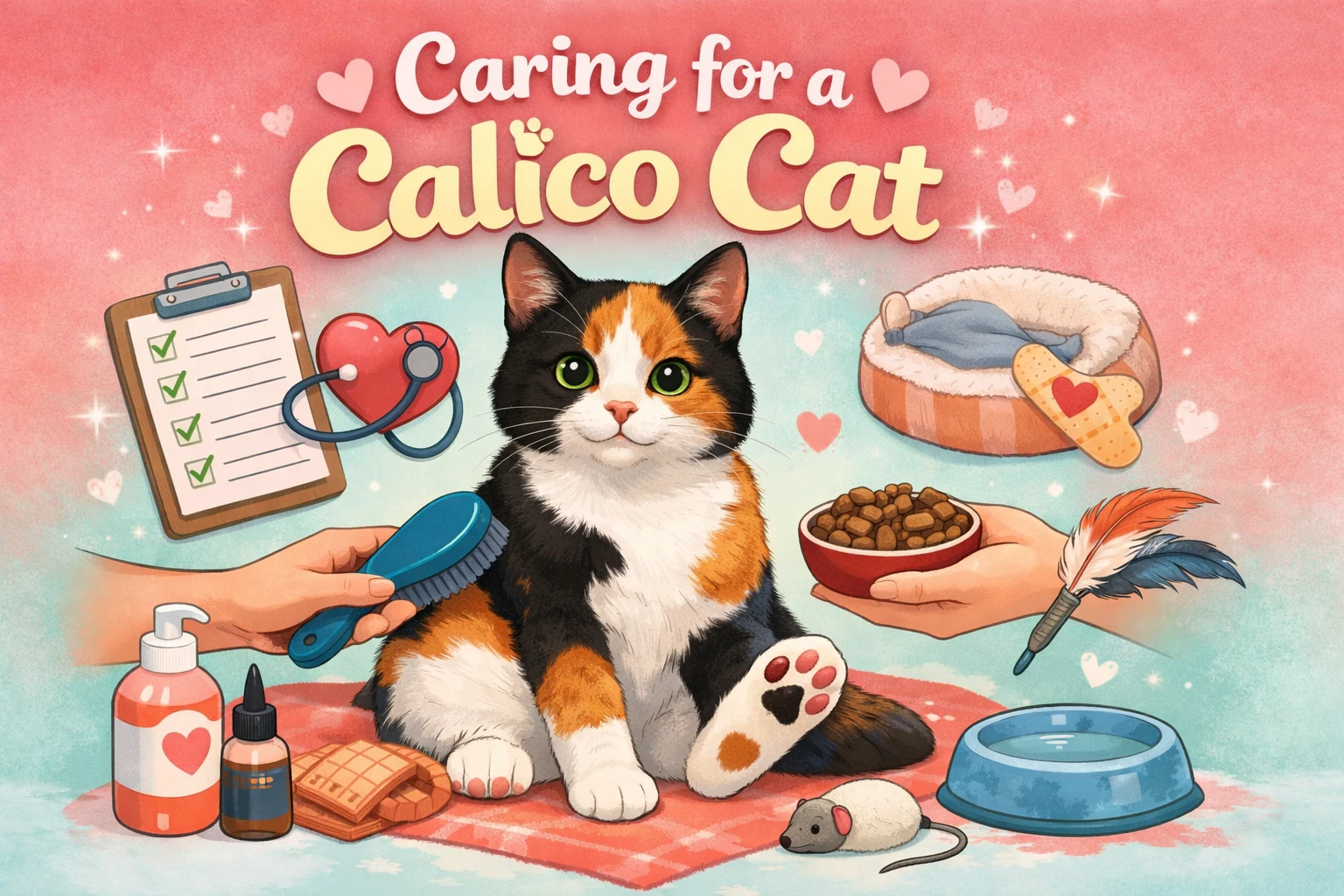
Regular veterinary checkups help catch health issues early, including dental problems, parasites, and age-related conditions. Spaying or neutering is recommended to reduce health risks and unwanted behaviors.
Grooming needs vary depending on coat length. Short-haired calicos may only need occasional brushing to remove loose fur. Long-haired calicos benefit from more frequent brushing to prevent matting and reduce shedding.
Providing a stimulating environment with toys, climbing spaces, and social interaction keeps these curious cats mentally and physically engaged.
Health Considerations for Calico Cats
The calico color pattern in itself is not linked to specific health issues. However, as mentioned earlier, male calico cats who carry the rare XXY genetic makeup may be prone to health complications requiring extra veterinary attention.
For female calico cats, standard feline health concerns such as dental disease, urinary tract issues, obesity, and kidney health should be monitored through routine checkups.
Because calico cats are often energetic and playful, maintaining a healthy weight and ensuring regular exercise is important for their long-term well-being.
Overall, with responsible care, most calico cats live long and healthy lives, bringing joy to their homes for many years.
How Rare Are Calico Cats?
Calico cats are not uncommon — especially among domestic shorthairs, where the pattern frequently appears. However, the uniqueness of each individual’s markings and the gender imbalance (with most calicos being female) make them distinctive compared to other cats.
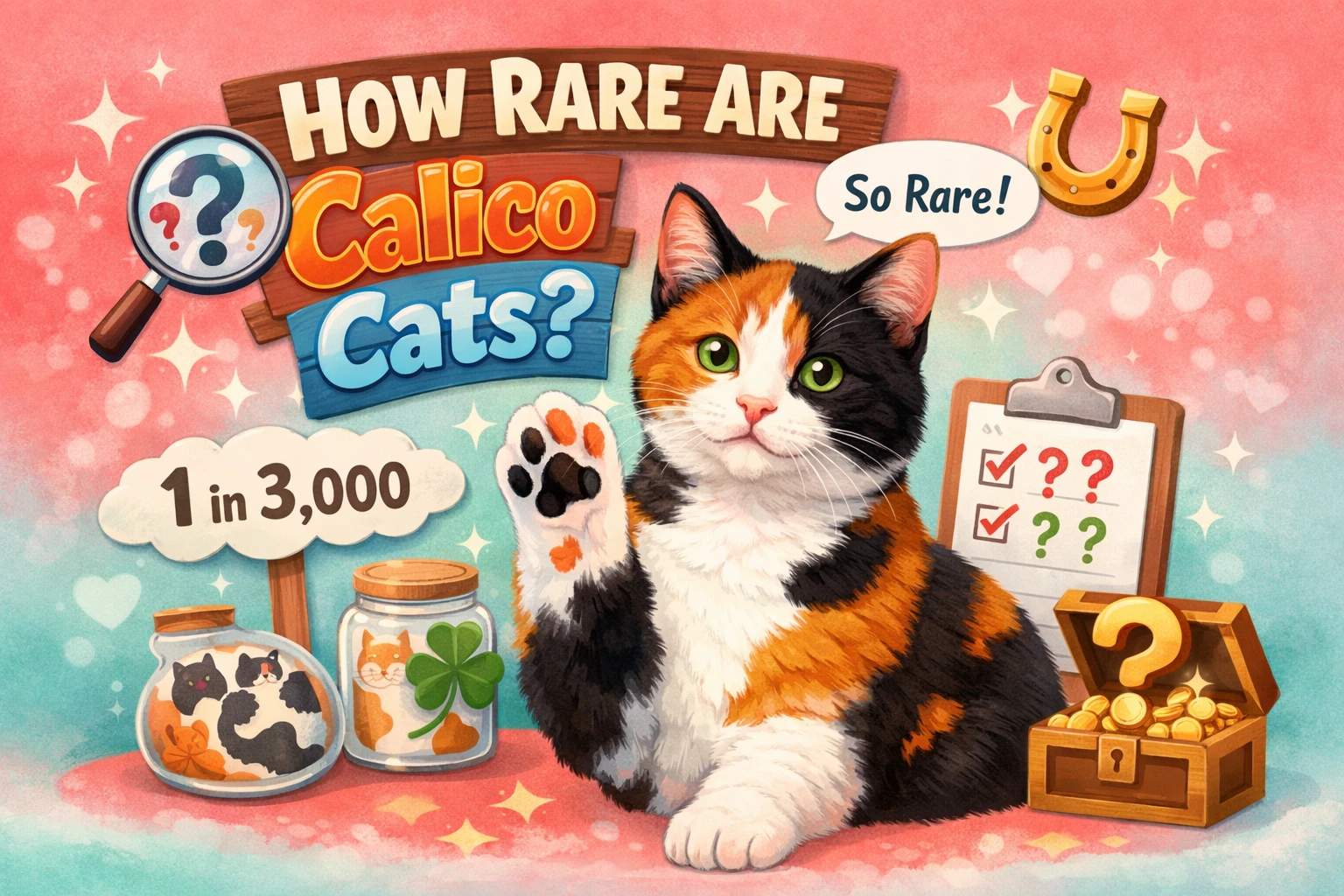
The highest rarity occurs in male calicos, as discussed earlier, but overall, calico cats are familiar companions in many households. Their color pattern appeared naturally and unpredictably through genetic combinations rather than intentional breeding.
Because their coats cannot be guaranteed through breeding alone, finding a calico kitten often depends on chance when cats reproduce.
Conclusion – 5 Amazing Things
Calico cats are much more than a beautiful pattern. They represent a fascinating blend of genetics, personality, culture, and history. From their signature tri-colored coats and mostly female population to cultural associations with luck and symbolism, calico cats are captivating in every sense.
Whether you already own a calico, dream of adopting one, or simply enjoy learning about cats, these felines hold a special place in the world of pets. Their unique coats tell a story written in genetics, culture, and individual personality, making each calico cat unforgettable.
Embracing the beauty and complexity of calico cats deepens our appreciation for the marvels of nature and the joy that companion animals bring to our lives.