Calico Cat Health Issues: Problems, Disorders & Medical Care
We are all captivated by the unique look of a calico cat, but bringing one home comes with responsibility. A common concern for future owners is simply: are they healthy? Understanding the health conditions these cats might face is essential. After all, being informed is the first step to keeping your beloved pet happy and thriving for years to come.
Do Calico Cats Have Health Issues?
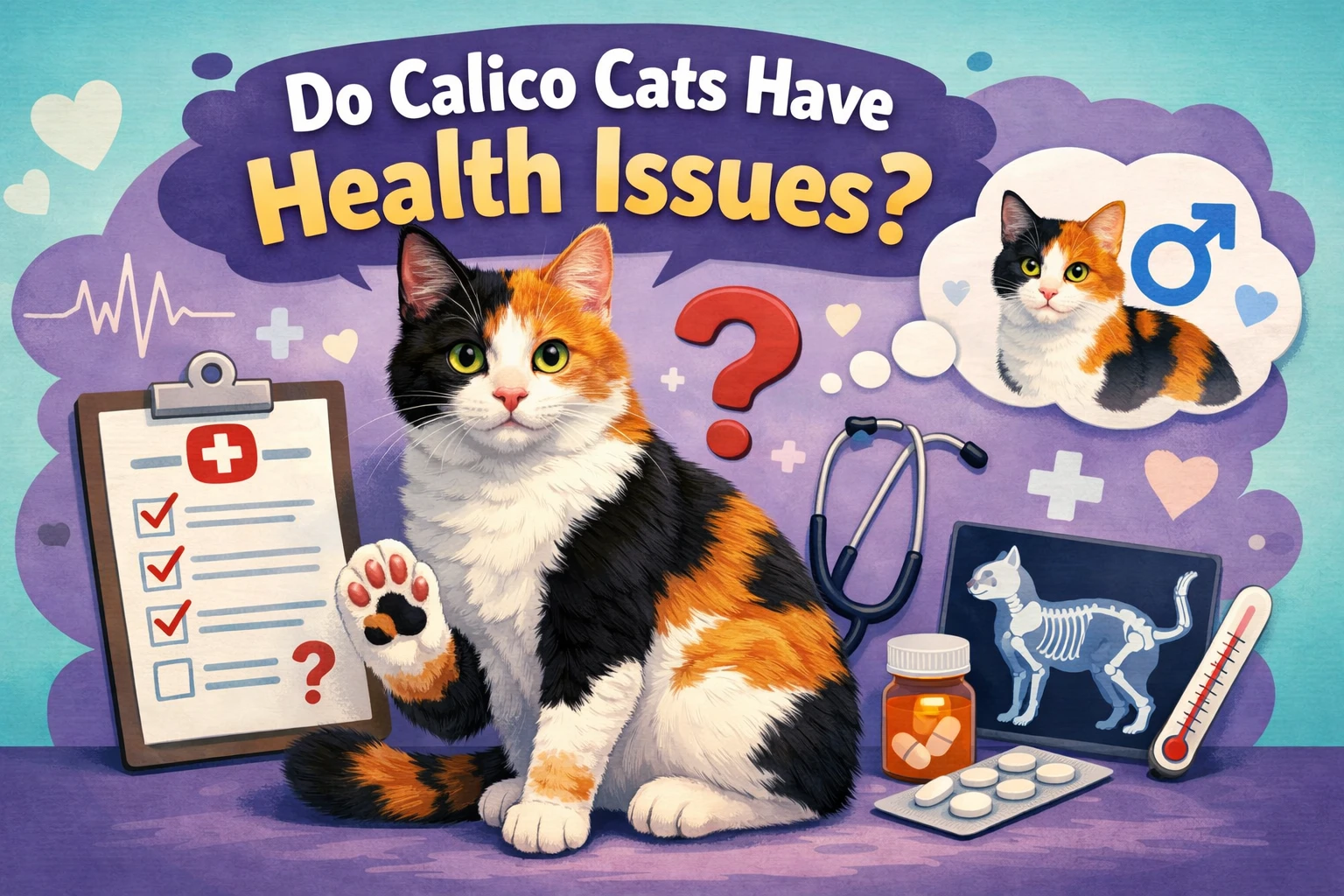
The short answer is that calico cats don’t have unique health problems specifically caused by their coloring. The calico pattern itself doesn’t predispose cats to diseases. However, the answer becomes more complex when we examine male versus female calicos and consider that “calico” describes a color pattern found across multiple breeds, each with their own genetic health tendencies.
Are calico cats healthy? Generally, yes. Female calico cats are typically as healthy as any other cat of their breed. The calico pattern is simply a coat color variation and doesn’t directly impact overall health or disease susceptibility.
Female Calico Cat Health Problems
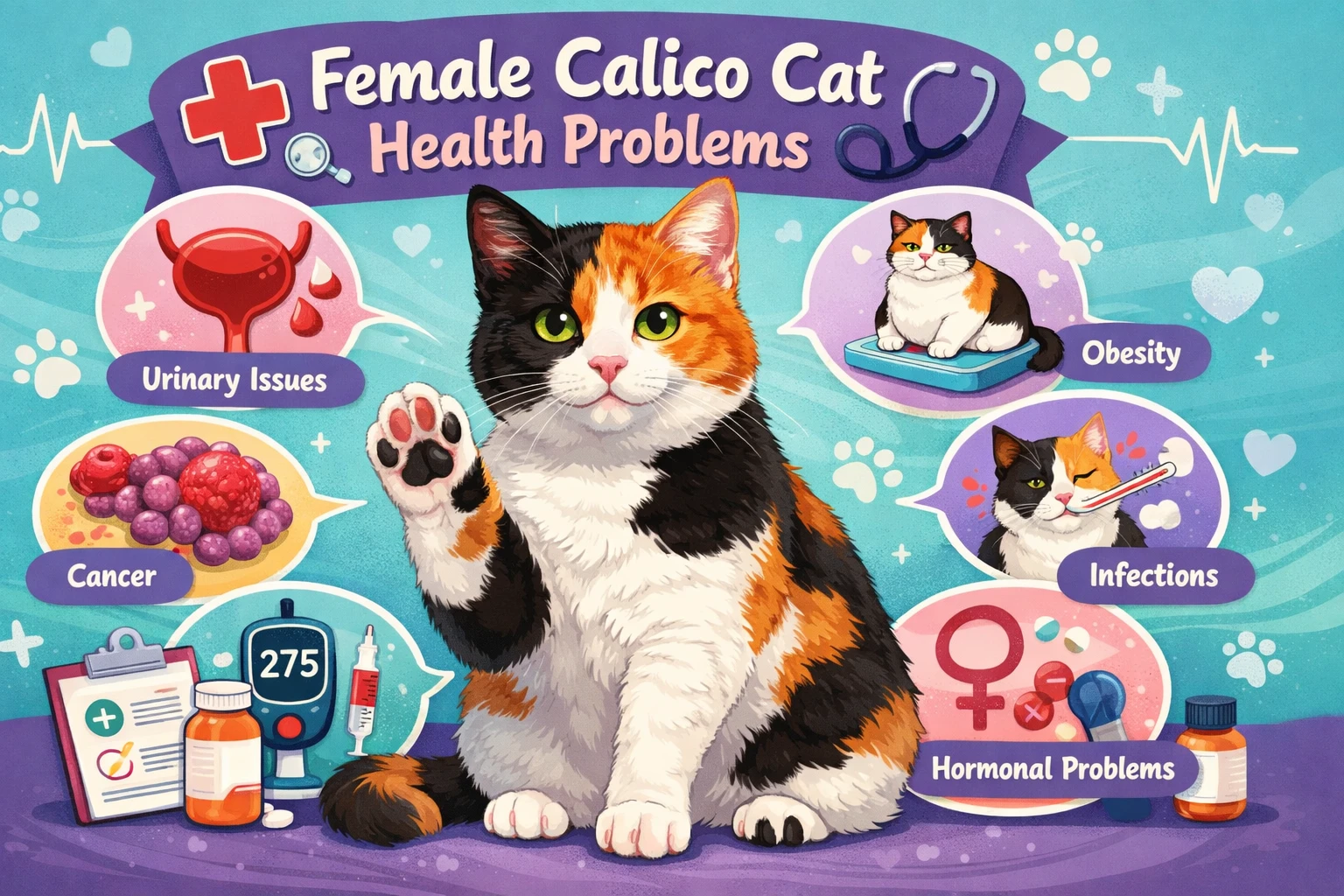
Female calico cats make up approximately 99.9% of all calicos and generally enjoy normal feline health. Female calico cat health problems are no different from those affecting other female cats and include:
Common Health Issues in Female Calicos
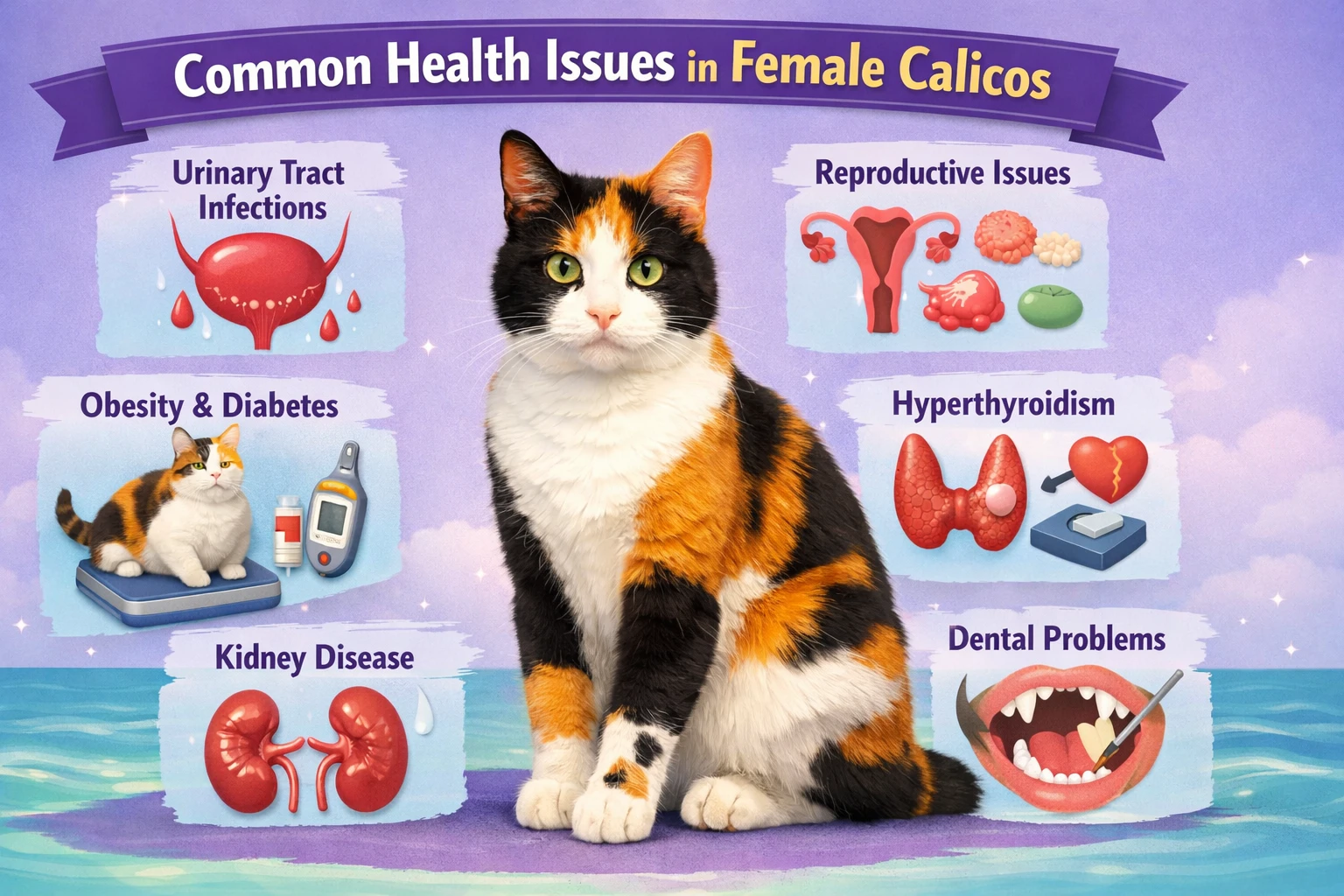
Urinary Tract Infections and Crystals Female cats can develop urinary issues, though less frequently than males. Symptoms include frequent urination, straining, or blood in urine.
Reproductive Health Concerns Unspayed female calicos face risks including:
Spaying eliminates these risks and extends lifespan by several years.
Obesity-Related Conditions Overweight female calicos are prone to:
Hyperthyroidism This hormonal disorder commonly affects older female calico cat health problems in cats over age 10, causing weight loss despite increased appetite, hyperactivity, and heart issues.
Chronic Kidney Disease One of the most common conditions in aging female cats, CKD progresses gradually and requires dietary management and supportive care.
Dental Disease Periodontal disease affects up to 70% of cats over age three, leading to tooth loss, pain, and systemic infections if untreated.
Male Calico Cat Health Problems
Male calico cats are extremely rare, occurring in only about 1 in 3,000 calico cats. These males have a chromosomal abnormality (XXY instead of XY) called Klinefelter syndrome, which creates the genetic condition allowing for the calico coloring.
Health issues with male calico cats are significantly more serious than in females due to this chromosomal difference.
Klinefelter Syndrome Effects
Male calico cat health problems stem directly from having an extra X chromosome:
Sterility Nearly all male calicos are sterile and cannot reproduce due to abnormal testicular development.
Cognitive and Behavioral Issues Some male calicos experience:
Bone and Joint Problems The chromosomal abnormality may contribute to:
Increased Disease Susceptibility Male calicos often have compromised immune systems, making them more vulnerable to:
Metabolic Disorders XXY males face higher risks of:
Shorter Lifespan Due to accumulated health challenges, male calico cat health problems typically result in a lifespan of 7-12 years compared to 12-16+ years for females.
Developmental Abnormalities Some male calicos experience:
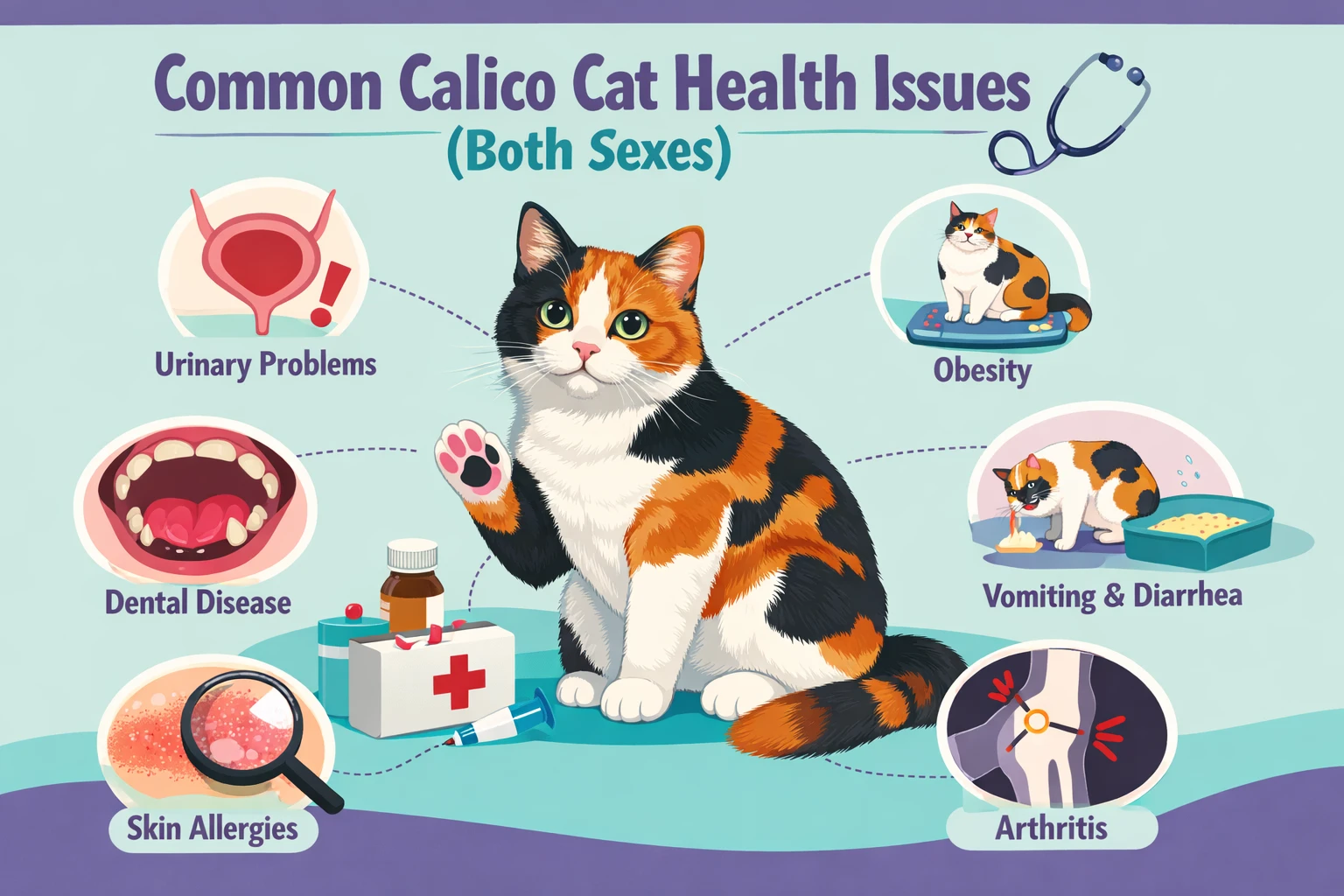
Common Calico Cat Health Issues (Both Sexes)
While not specific to calicos, these conditions affect cats of all color patterns:
Obesity and Weight Management
Calico cats aren’t inherently prone to weight gain, but obesity is widespread among domestic cats. Overweight calicos face serious health consequences including diabetes, arthritis, heart disease, and shortened lifespan.
Prevention: Feed measured portions, avoid free-feeding, limit treats, and provide daily exercise through play.
Chronic Kidney Disease (CKD)
This progressive condition is common in aging cats, with symptoms including increased thirst, frequent urination, weight loss, and lethargy.
Management: Early detection through regular bloodwork allows for dietary changes, fluid therapy, and medications to slow progression.
Hyperthyroidism
Overactive thyroid glands affect many senior cats, causing rapid weight loss, increased appetite, hyperactivity, vomiting, and heart problems.
Treatment: Options include medication, radioactive iodine therapy, or surgical removal of affected thyroid tissue.
Diabetes Mellitus
Type 2 diabetes occurs when cats become insulin resistant or don’t produce enough insulin. Symptoms include excessive thirst, urination, weight loss, and increased appetite.
Management: Many diabetic cats require insulin injections, along with dietary changes and weight management.
Dental Disease
Periodontal disease progresses from gingivitis to severe infection, causing pain, tooth loss, and bacteria entering the bloodstream.
Prevention: Regular teeth brushing, dental treats, and professional cleanings prevent serious disease.
Heart Disease
Hypertrophic cardiomyopathy (HCM) is the most common feline heart condition, causing thickened heart walls and reduced cardiac function.
Detection: Regular vet exams with auscultation can detect heart murmurs. Advanced cases may require echocardiograms and medication.
Lower Urinary Tract Disease
Feline lower urinary tract disease (FLUTD) encompasses various conditions affecting the bladder and urethra, including crystals, stones, and idiopathic cystitis.
Prevention: Ensure adequate water intake, feed quality food, maintain clean litter boxes, and minimize stress.
Cancer
Calicos face the same cancer risks as other cats, with common types including lymphoma, squamous cell carcinoma, and mammary tumors (in unspayed females).
Early Detection: Regular vet exams and prompt investigation of lumps, weight loss, or behavioral changes improve treatment outcomes.
Calico Cat Eye Problems
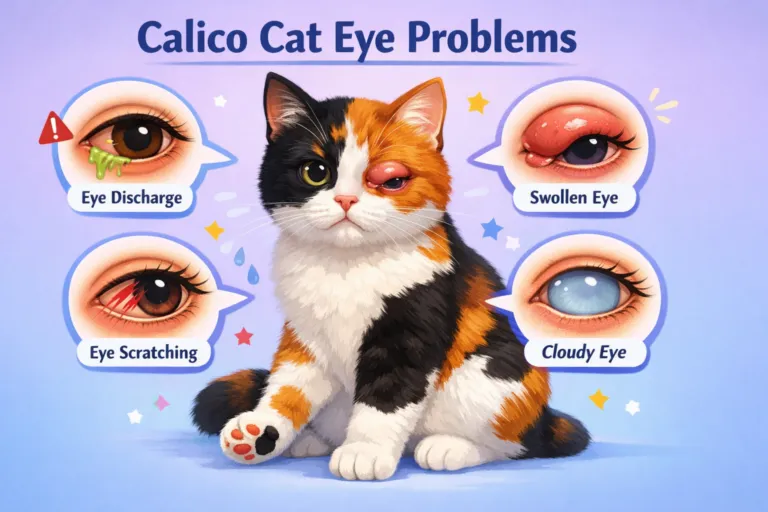
Calico cat eye problems aren’t specific to the color pattern but include common feline eye conditions:
Conjunctivitis (Pink Eye) Bacterial or viral infections cause redness, discharge, and squinting. Requires antibiotic treatment.
Upper Respiratory Infections Often affect eyes alongside respiratory symptoms, causing watery discharge and inflammation.
Corneal Ulcers Scratches or injuries to the eye surface need immediate veterinary attention to prevent permanent damage.
Glaucoma Increased pressure within the eye causes pain and vision loss if untreated.
Cataracts Cloudiness in the eye lens, more common in senior cats or those with diabetes, can lead to blindness.
Third Eyelid Protrusion The visible third eyelid may indicate underlying health issues requiring veterinary examination.
Calico Cat Genetic Disorders
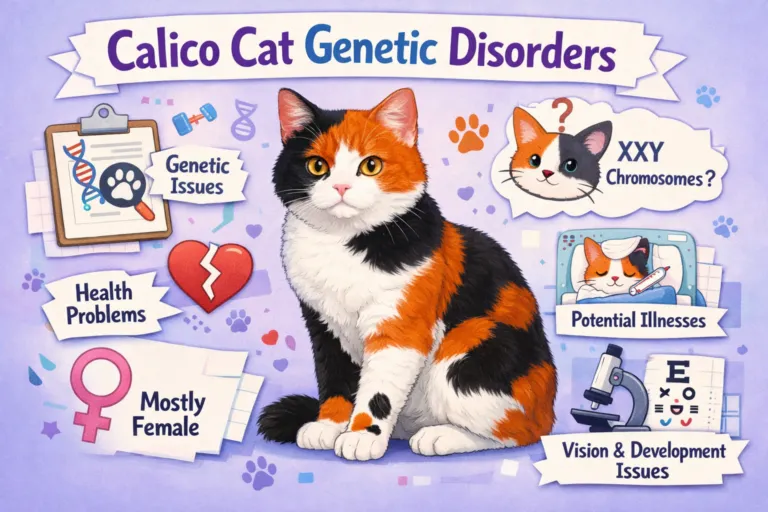
The calico pattern itself results from X-chromosome inactivation but doesn’t cause genetic disorders. However, calico cat genetic disorder concerns arise in male calicos:
X-Chromosome Inactivation in Females
Female calicos have two X chromosomes, each carrying different color genes. Random inactivation of one X chromosome in each cell creates the patchy calico pattern. This normal process doesn’t cause health problems.
XXY Syndrome in Males
Male calicos have Klinefelter syndrome (XXY chromosomes), which is a genetic disorder causing the health problems discussed earlier. This chromosomal abnormality is the only true genetic disorder linked to calico coloring.
Breed-Specific Genetic Issues
Since calicos appear in many breeds, they may inherit breed-specific genetic conditions:
Persian Calicos: Polycystic kidney disease (PKD), breathing difficulties
Maine Coon Calicos: Hypertrophic cardiomyopathy, hip dysplasia
Manx Calicos: Spinal problems, bowel/bladder dysfunction
American Shorthair Calicos: Generally robust with few genetic issues
Do Calico Cats Have More Health Problems?
Do calico cats have more health problems than other colored cats? The evidence says no for females, but yes for males:
Female Calicos: Have the same health risks as any other female cat of their breed. The calico pattern doesn’t increase disease susceptibility.
Male Calicos: Definitively have more health problems due to Klinefelter syndrome, experiencing higher rates of multiple conditions and shorter lifespans.
Breed Matters More: A calico Persian faces Persian-related health issues regardless of color. A calico domestic shorthair has different risks than a calico Maine Coon.
Calico Cat Allergies
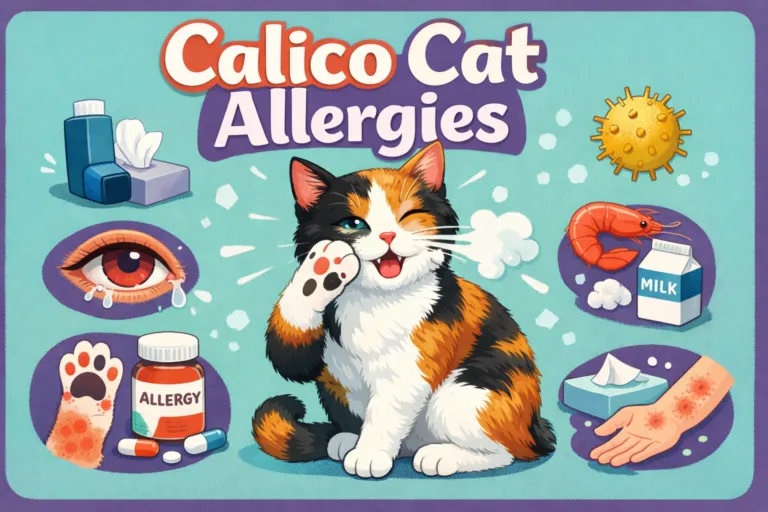
Calico cat allergies refers to two different concerns:
Allergies in Calico Cats
Calicos can develop allergies just like any cat:
Flea Allergy Dermatitis Hypersensitivity to flea saliva causes intense itching, hair loss, and skin lesions. Requires strict flea prevention.
Food Allergies Proteins (chicken, beef, fish, dairy) or grains may trigger digestive upset, skin irritation, or ear infections. Elimination diets identify culprits.
Environmental Allergies Pollen, dust mites, mold, or cleaning products can cause respiratory symptoms or skin problems. Management includes reducing exposure and possible medications.
Contact Allergies Reactions to materials like plastic bowls, certain fabrics, or topical products cause localized irritation.
Human Allergies to Calico Cats
Some people wonder if calico cats cause fewer allergies than other colors. The answer is no—allergic reactions come from the Fel d 1 protein in cat saliva, skin, and urine, not fur color. All cats produce these allergens equally regardless of coat pattern.
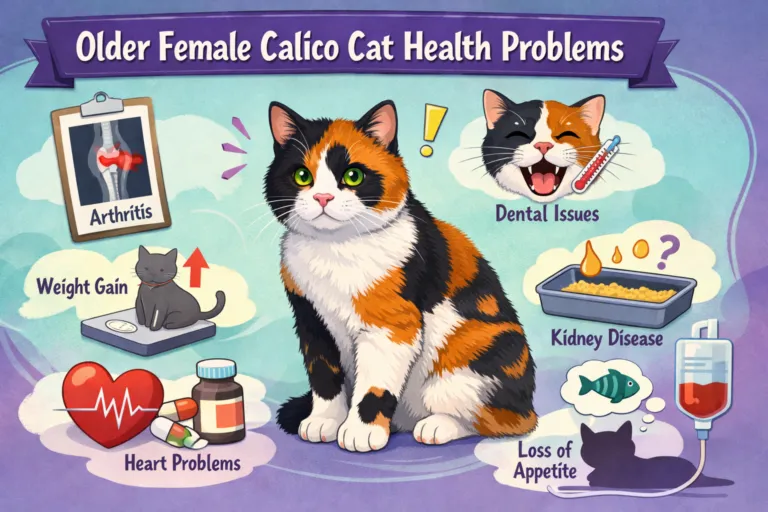
Older Female Calico Cat Health Problems
Senior calicos (age 11+) face age-related health challenges:
Arthritis and Mobility Issues Joint degeneration causes pain, stiffness, and reduced activity. Signs include difficulty jumping, grooming changes, and litter box avoidance.
Cognitive Dysfunction Syndrome Feline dementia causes disorientation, altered sleep patterns, inappropriate vocalization, and behavioral changes.
Chronic Kidney Disease Progressive kidney failure is extremely common in geriatric cats, requiring dietary management and supportive care.
Hyperthyroidism Thyroid tumors typically develop in cats over 10, causing weight loss, hyperactivity, and heart complications.
Cancer Cancer risk increases with age. Common types include lymphoma, mammary tumors, and skin cancers.
Dental Disease Years of accumulated plaque and tartar cause severe periodontal disease, tooth loss, and systemic infection.
Hearing and Vision Loss Sensory decline is normal in aging cats but requires environmental adjustments for safety.
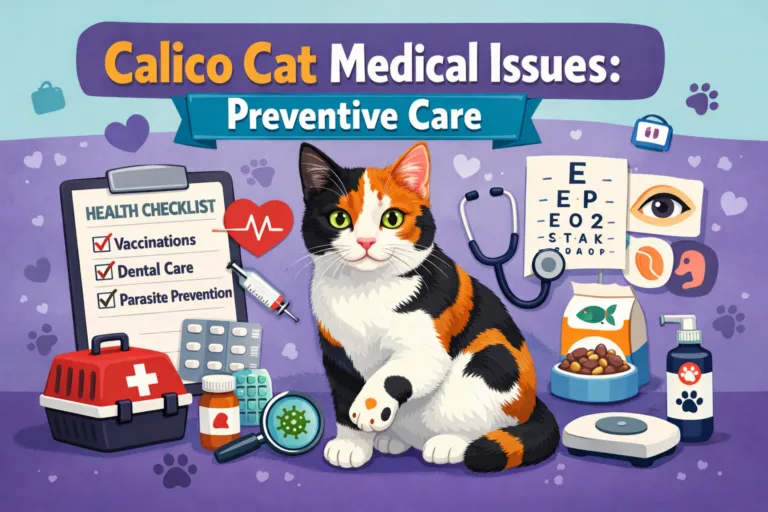
Calico Cat Medical Issues: Preventive Care
Preventing common calico cat medical issues requires proactive health management:
Regular Veterinary Examinations
Young Adults (1-7 years): Annual wellness exams with physical examination, vaccinations, and parasite prevention
Senior Cats (7-11 years): Biannual exams with bloodwork and urinalysis to catch early disease
Geriatric Cats (11+ years): Biannual exams with comprehensive bloodwork, blood pressure monitoring, and diagnostic imaging as needed
Vaccination Protocol
Core vaccines protect against:
Non-core vaccines depend on lifestyle and risk factors.
Parasite Prevention
Year-round protection against:
Indoor cats need prevention too, as parasites can be tracked inside.
Dental Care
Home Care: Daily teeth brushing with cat-specific toothpaste
Professional Care: Annual or biannual dental cleanings under anesthesia
Nutrition Management
Feed high-quality, age-appropriate food:
Weight Monitoring
Check body condition monthly. Ideal weight allows you to feel ribs easily without excessive fat covering. Adjust portions to maintain optimal weight.
Environmental Enrichment
Mental and physical stimulation prevents obesity and behavioral problems:
Stress Reduction
Minimize stress to support immune function:
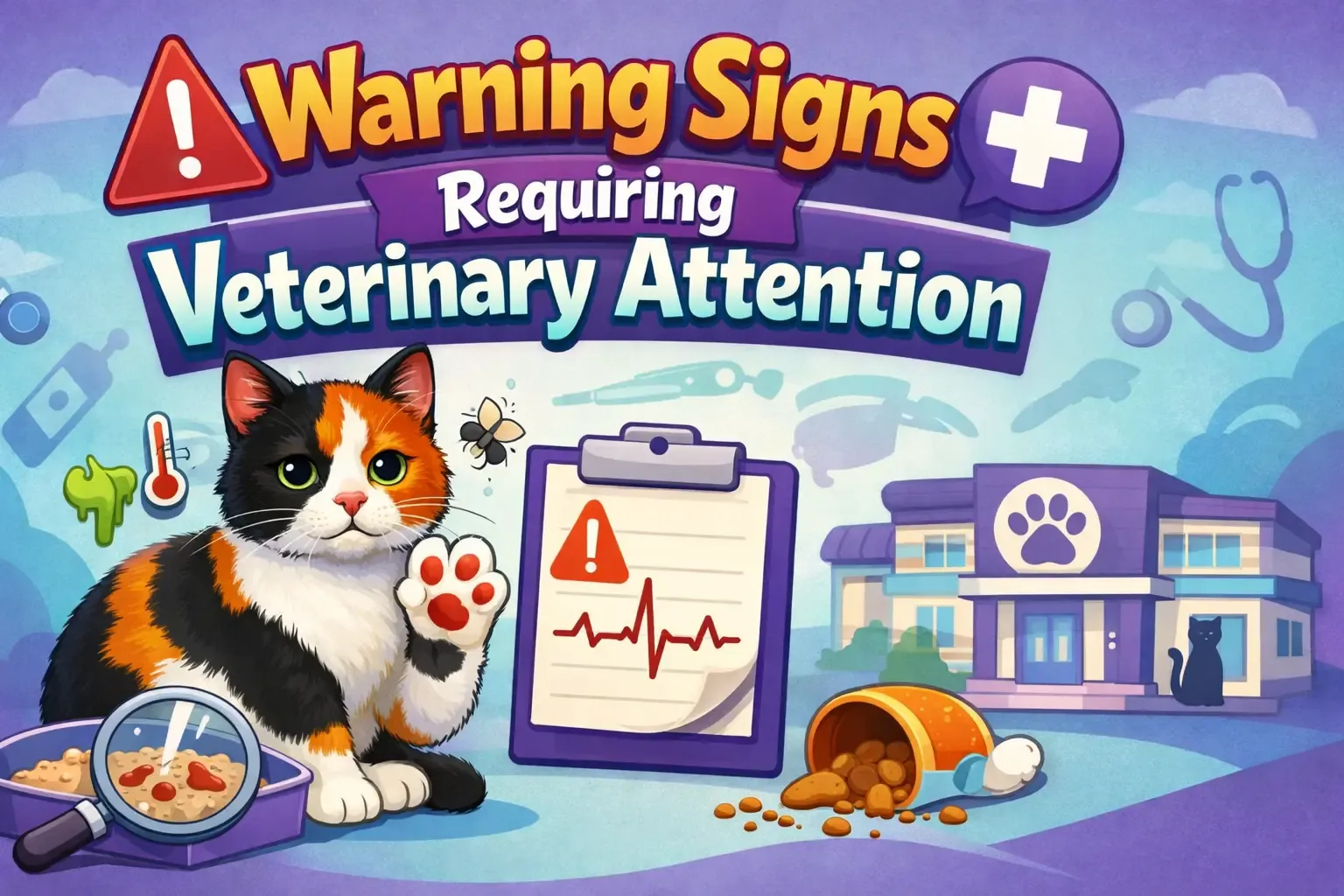
Warning Signs Requiring Veterinary Attention
Contact your veterinarian immediately if your calico shows:
Special Considerations for Male Calico Cat Health
If you have a rare male calico, work closely with your veterinarian:
Baseline Health Assessment: Comprehensive examination and testing to establish normal values for your individual cat
Frequent Monitoring: More frequent wellness exams to catch problems early
Genetic Counseling: Understanding the specific risks your male calico faces
Quality of Life Focus: Emphasis on comfort and happiness given potential health challenges
Financial Planning: Pet insurance or savings for likely higher veterinary costs
Conclusion
Understanding calico cat health issue helps you provide excellent care for your tricolored companion. Female calicos are typically healthy cats whose main health concerns are common feline conditions easily managed with preventive care. Male calicos require special attention due to genetic health challenges but can still enjoy good quality of life with dedicated care.
Whether you have a female or the rare male calico, regular veterinary care, proper nutrition, and attentive monitoring will help your cat live the healthiest life possible. Don’t let concerns about calico cat medical issues deter you—with knowledge and proper care, calico cats make wonderful, healthy companions for many years.