Do Calico Cats Shed? Complete Grooming & Shedding Guide
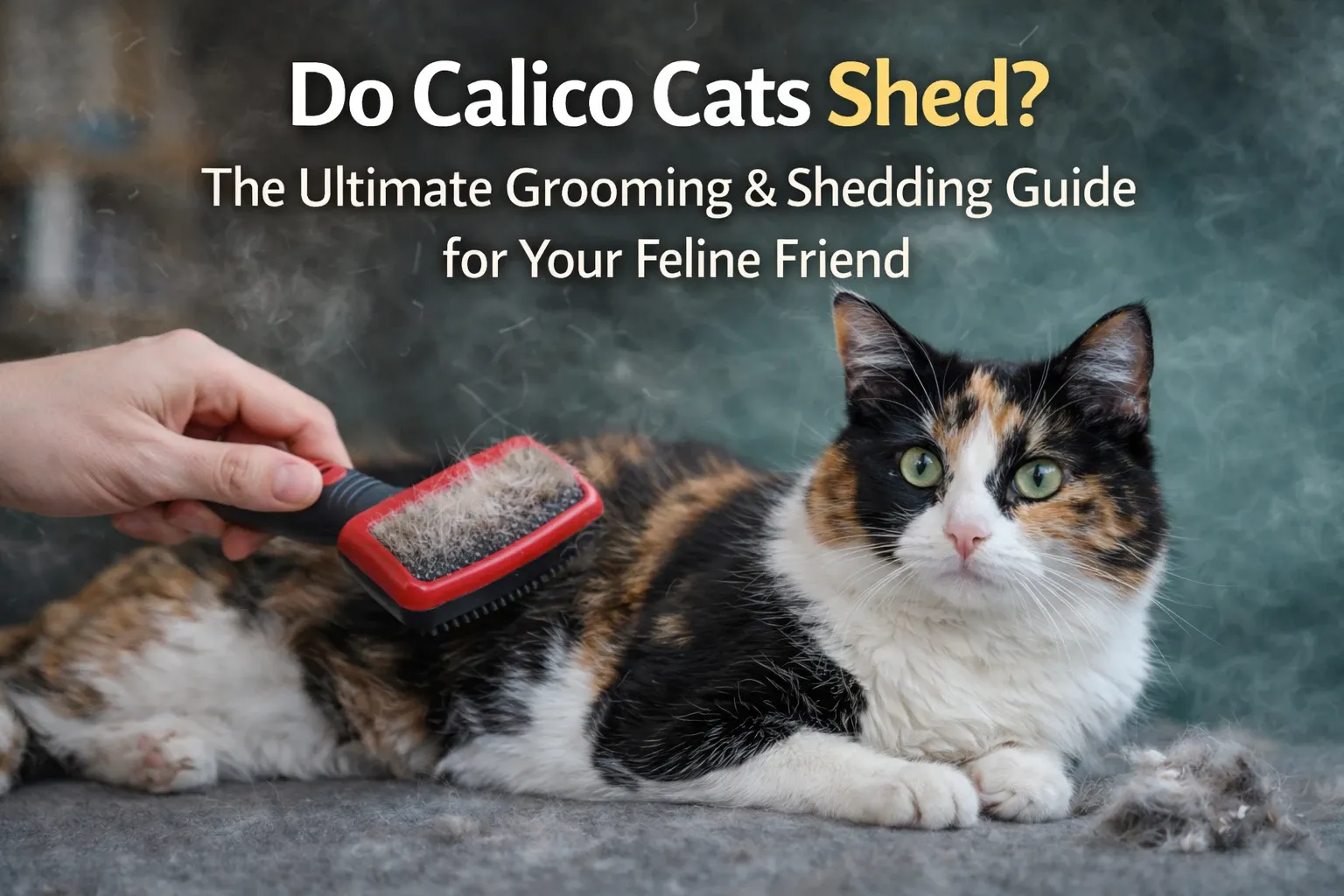
Yes, calico cats shed just like other cats. Their shedding is part of the natural hair growth cycle, but the amount of shedding depends on factors like coat type, breed, season, and individual genetics. The calico pattern itself doesn’t affect shedding levels—it’s the breed and coat type that makes the difference.
Do Calico Cats Shed a Lot?
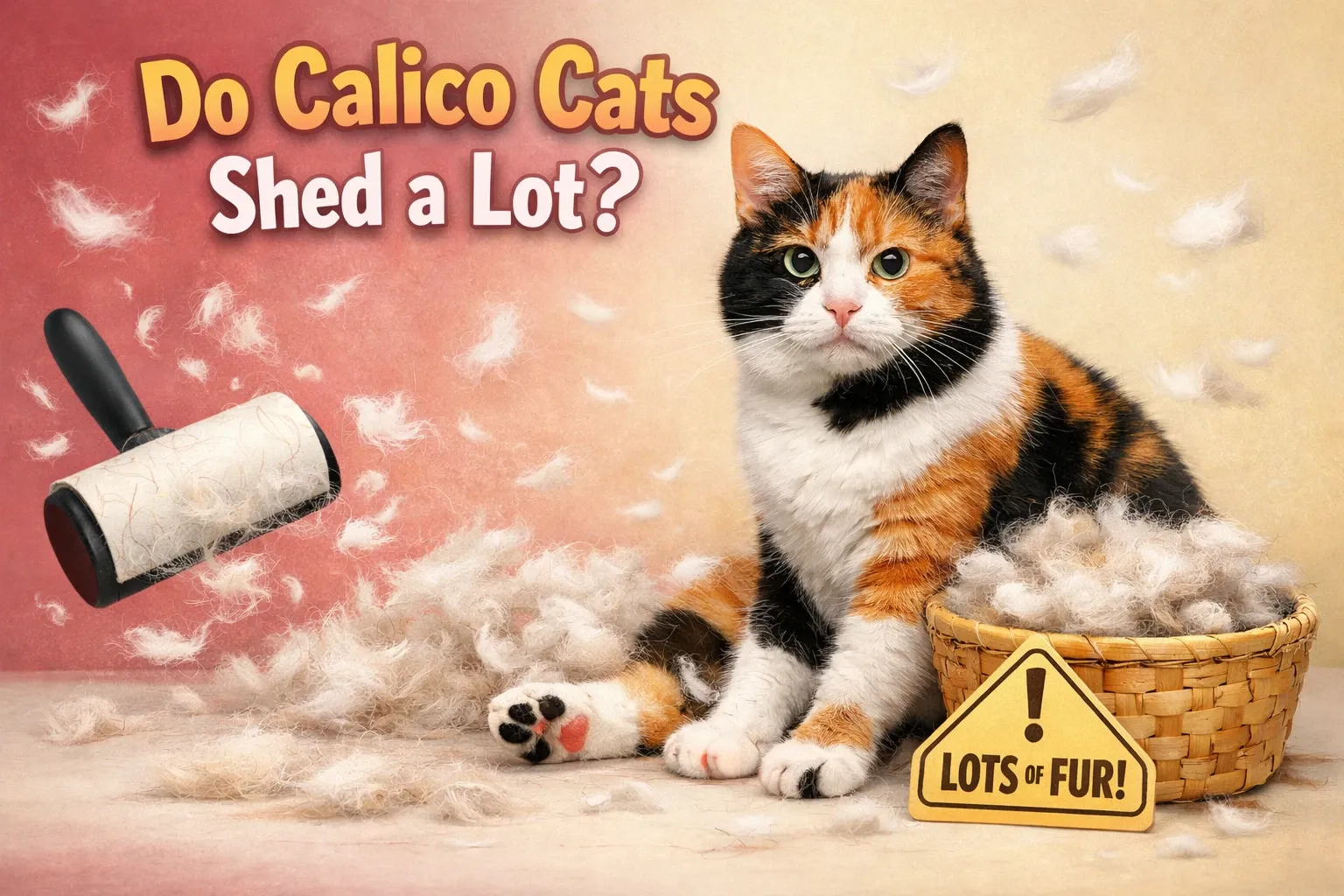
Shedding levels vary based on the type of coat the calico cat has.

How Bad Do Calico Cats Shed?
The amount of shedding in calico cats is similar to that of other cats of the same breed and coat type. Shedding is determined by the coat type and individual genetics rather than the calico color pattern.
Factors Affecting Shedding Severity
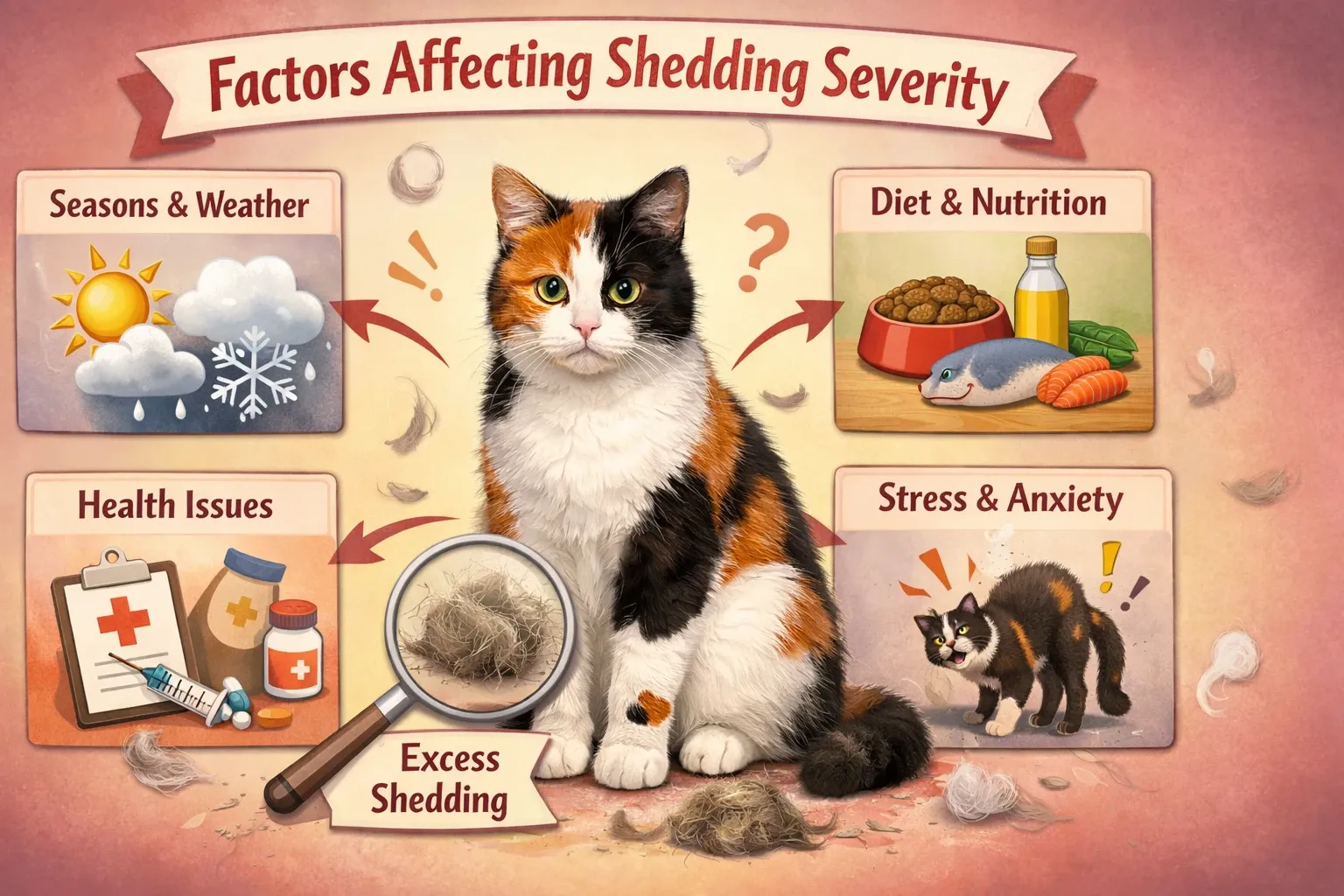
Several factors contribute to how much a Calico cat will shed. Understanding these factors can help you predict and manage shedding more effectively.
1. Genetics
Genetics play a significant role in the type of coat a Calico cat has. Some Calicos have shorter coats, while others have medium to long coats. Short-haired Calicos will naturally shed less than their long-haired counterparts, but both will shed to some extent.
2. Seasonal Changes
Calicos, like most cats, experience shedding in response to seasonal changes. In the spring and fall, you may notice an increase in shedding as they prepare for warmer or cooler weather. This seasonal shedding is a normal part of their coat renewal process.
3. Health
The health of your Calico can also affect how much they shed. Cats that are under stress, have a poor diet, or suffer from health conditions may shed more than usual. Conditions like allergies, skin infections, or thyroid imbalances can contribute to excessive shedding. It’s important to keep an eye on your cat’s health and consult a veterinarian if you notice any unusual shedding patterns.
4. Diet
A balanced diet rich in nutrients, including omega-3 fatty acids, can help reduce shedding by promoting a healthy coat. Poor diet or dehydration can lead to dry skin and excessive shedding. Ensure your Calico is eating a high-quality cat food and drinking enough water to maintain a healthy coat.
5. Climate
If you live in a climate that experiences significant seasonal changes in temperature, your Calico might shed more as they adapt to the environment. In hotter climates, they might shed more year-round to regulate their body temperature, whereas in colder climates, they may shed less during the winter months.
6. Photoperiod (Daylight Exposure):
A cat’s hair growth cycle is regulated by the photoperiod—the amount of light they are exposed to each day. Outdoor cats have distinct shedding seasons (spring and fall). Indoor cats, however, live under artificial lights that mimic a “long summer day” all year round. This biological confusion often leads to “perpetual shedding,” where the cat sheds a moderate amount every single day rather than in seasonal bursts.
Calico Cat Grooming: Essential Techniques
Proper grooming is essential to managing Calico cat shedding and keeping their coat healthy. While Calicos aren’t typically high-maintenance compared to other long-haired breeds, regular grooming is necessary to prevent matting, reduce shedding, and keep your cat looking their best.
The Strategy: Never approach a calico with a brush when she is agitated. Wait until she is sleepy or relaxed, perhaps after a meal. Start by petting her with your hand to get her purring, then seamlessly switch to the brush. Use long, gentle strokes in the direction of hair growth. Avoid the tail and the belly unless she trusts you implicitly, as these are sensitive “danger zones” for many cats.
Best Brushes for Calico Cats
Using the wrong tool can make grooming painful for the cat and ineffective for you. Here is the toolkit every calico owner needs:
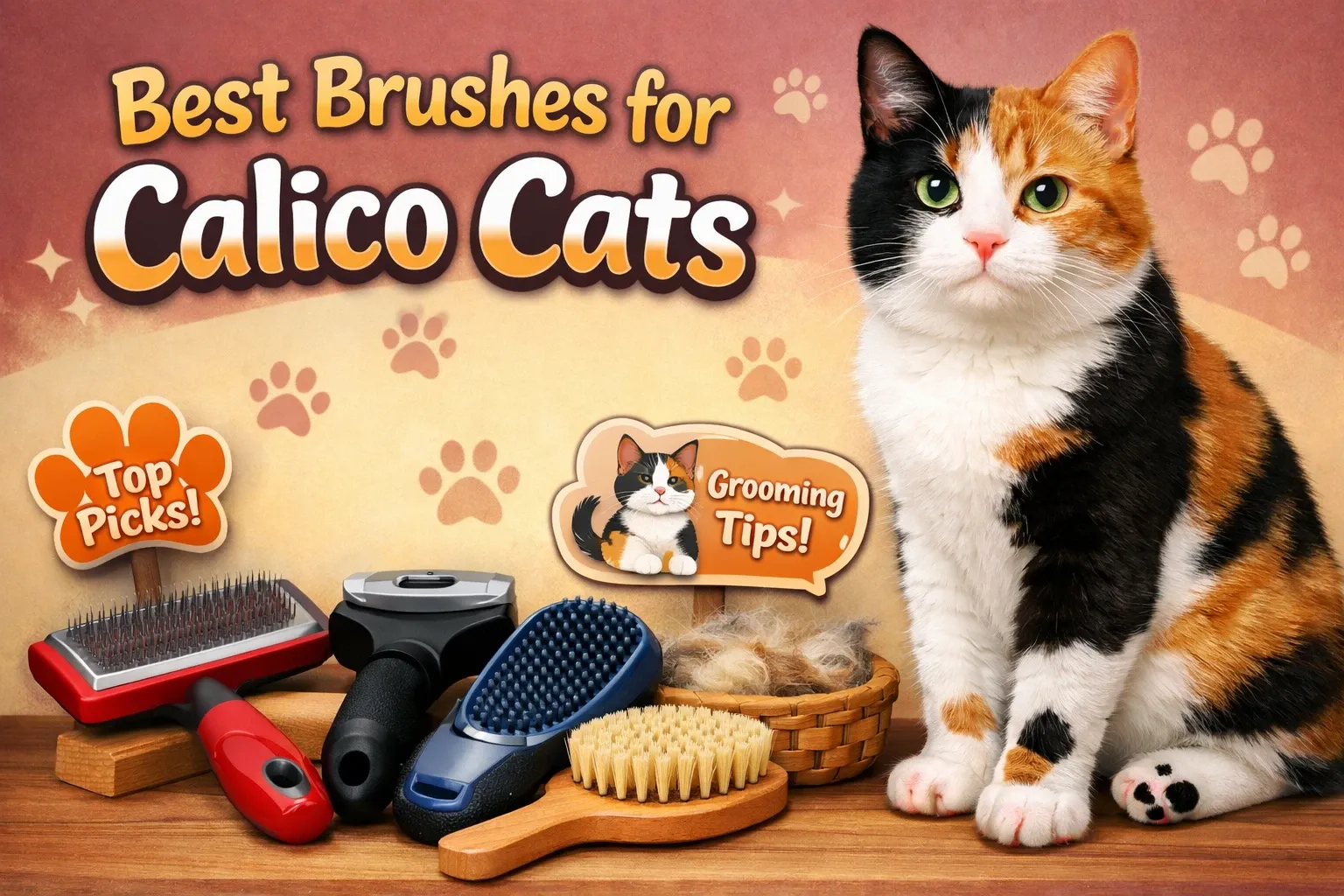
1. The Slicker Brush: This is the workhorse of cat grooming. It has fine wire bristles bent at an angle. It is perfect for long-haired calicos as it reaches deep into the undercoat to pull out loose fur and debris.
- Best for: Long hair, removing tangles.
2. The Rubber Curry Brush / Grooming Glove: For short-haired calicos or those who hate brushes, this is the solution. These rubber tools act like a magnet for loose hair while massaging the skin. Most cats feel like they are being petted rather than groomed.
- Best for: Short hair, sensitive cats, finishing touches.
3. The Deshedding Tool (e.g., Furminator): This is a heavy-duty tool with a metal blade designed to remove the undercoat without cutting the topcoat. It is incredibly effective during shedding season but should be used with caution. Overusing it can irritate the skin or thin the coat too much.
- Best for: Heavy shedders, seasonal coat blowing.
4. The Metal Comb (Greyhound Comb): A simple metal comb is essential for checking for mats in the “armpits” and behind the ears, areas that brushes often miss.
- Best for: Detangling, finishing long coats.
Ear and Nail Care
Regular ear cleaning and nail trimming are also essential parts of Calico cat grooming. Trim their nails every 1-2 weeks to prevent overgrowth, and gently clean their ears using a damp cloth or an ear cleaner formulated for cats.
Bathing Calico Cats
Most calico cats don’t require regular baths but may need occasional ones during heavy shedding seasons or if they get into something messy. A common myth is that cats never need baths. While they are fastidious self-groomers, there are times when a bath helps manage shedding. Bathing helps wash away dead hair and dander that brushing missed.

The Process: Most calicos dislike water, so speed is essential. Use a cat-specific shampoo (human shampoo dries out their skin) and warm water. You don’t need to submerge the cat; a handheld sprayer or a cup of water is less terrifying. Massage the shampoo in, rinse thoroughly, and wrap her in a warm towel immediately.
How Often? Unless your calico gets into something sticky or is an elderly cat who can no longer groom herself, bathing is rarely needed more than once every 6–8 weeks. Over-bathing strips the natural oils, leading to dry skin and—ironically—more shedding.
Professional Grooming
Sometimes, the job is too big for home care. Professional groomers are trained to handle “spicy” calicos and have tools that are safer and more effective than what you have at home. You should consider professional grooming if:
Consider professional grooming for long-haired calicos every 2-3 months for mat removal and sanitary trims. If your cat struggles with grooming at home, professionals can help with matting and hairball issues.
Can You Shave a Calico Cat?
Shaving a calico cat should only be done in certain situations, such as severe matting or medical reasons. Shaving for cosmetic purposes is not recommended as it can damage the coat and cause sunburn or temperature regulation issues. Always consider professional grooming if needed.
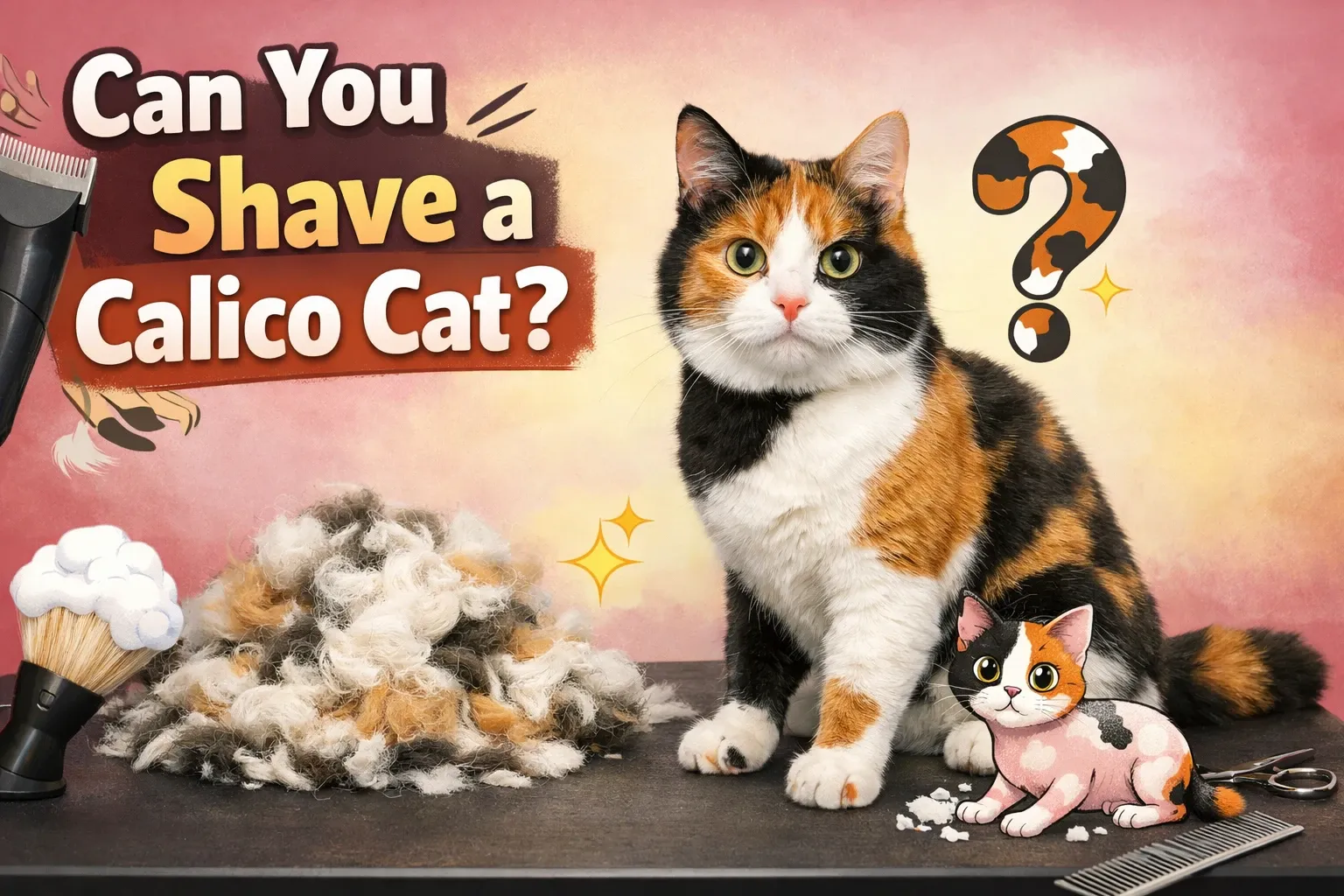
The Risks: A cat’s coat is her insulation. It keeps her warm in winter and cool in summer by trapping air. Shaving a cat interferes with her ability to regulate body temperature. Furthermore, the “Lion Cut” (shaved body, fluffy head and tail) exposes her skin to sunburn and insect bites.
The Exception: For long-haired calicos that are prone to severe matting or for elderly cats who cannot groom themselves, a “sanitary shave” (trimming the fur around the rear end) or a belly shave can be very hygienic and helpful. Always have a professional perform the shave; cat skin is paper-thin and easy to nick.
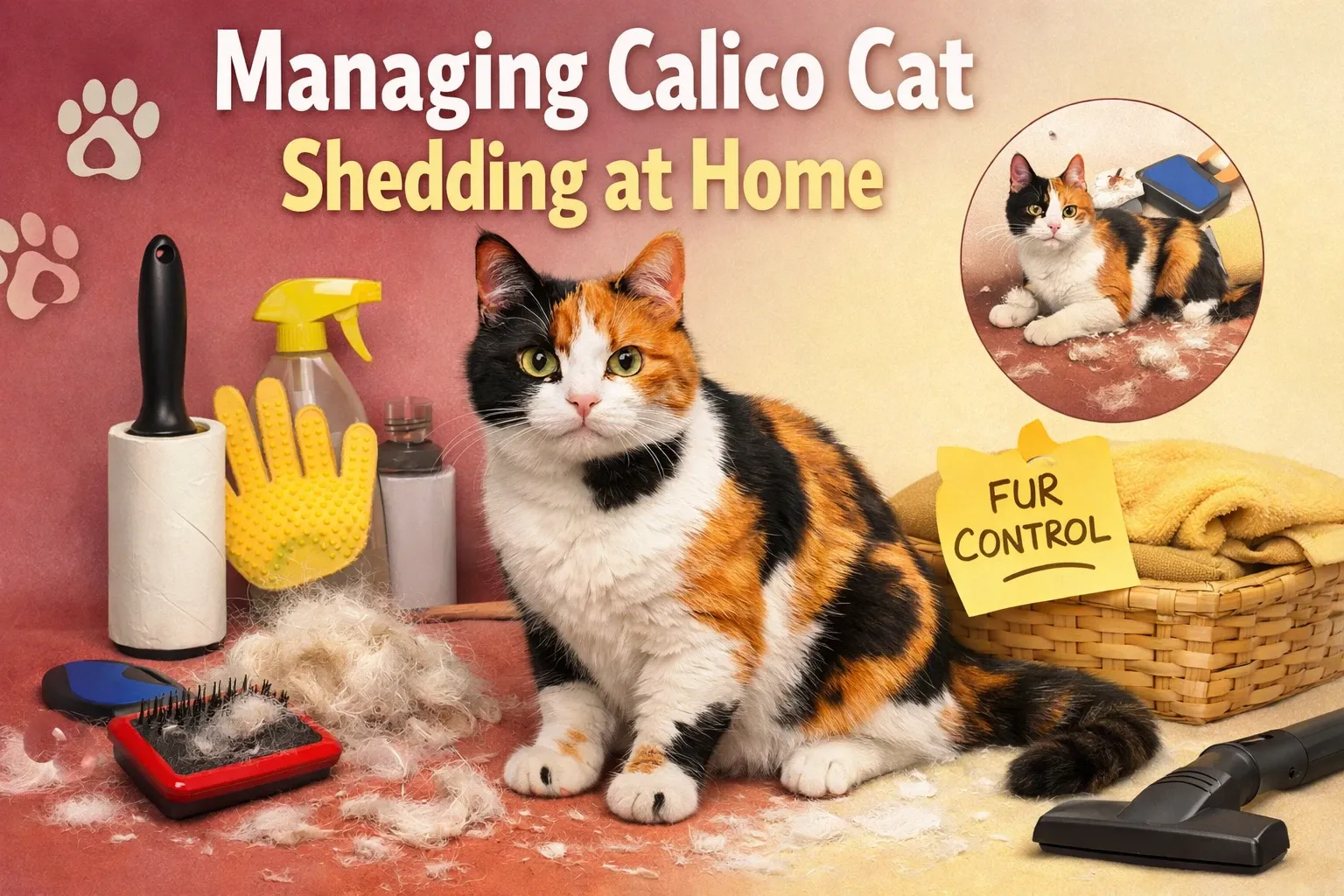
Managing Calico Cat Shedding at Home
While shedding is a natural process for all cats, there are several ways you can reduce the amount of loose hair in your home and keep your calico cat’s shedding manageable:
Conclusion
Do calico cats shed? Yes, they do. However, shedding levels depend on coat type, breed, and season. Whether you have a short-haired or long-haired calico, regular grooming and proper care can help manage shedding and maintain your cat’s healthy, beautiful coat.
By following the right grooming techniques, providing a balanced diet, and using the best tools, you can enjoy a cleaner home while keeping your calico cat looking her best.