Calico vs Tortoiseshell vs Tabby: Understanding the Differences
Understanding the differences between calico cats, tortoiseshell cats, and tabby cats can be tricky, especially since these patterns have overlapping traits and genetic foundations. Whether you’re trying to identify your new feline friend or just curious about these beautiful patterns, this guide will break down the unique characteristics of each, making it easier for you to understand their distinct features. We’ll also dive into some common misconceptions and help you understand the basics, so you can easily differentiate between these cats.
Key Differences at a Glance
Let’s begin with a summary of the most noticeable differences between calico, tortoiseshell, and tabby cats:
What is a Calico Cat?
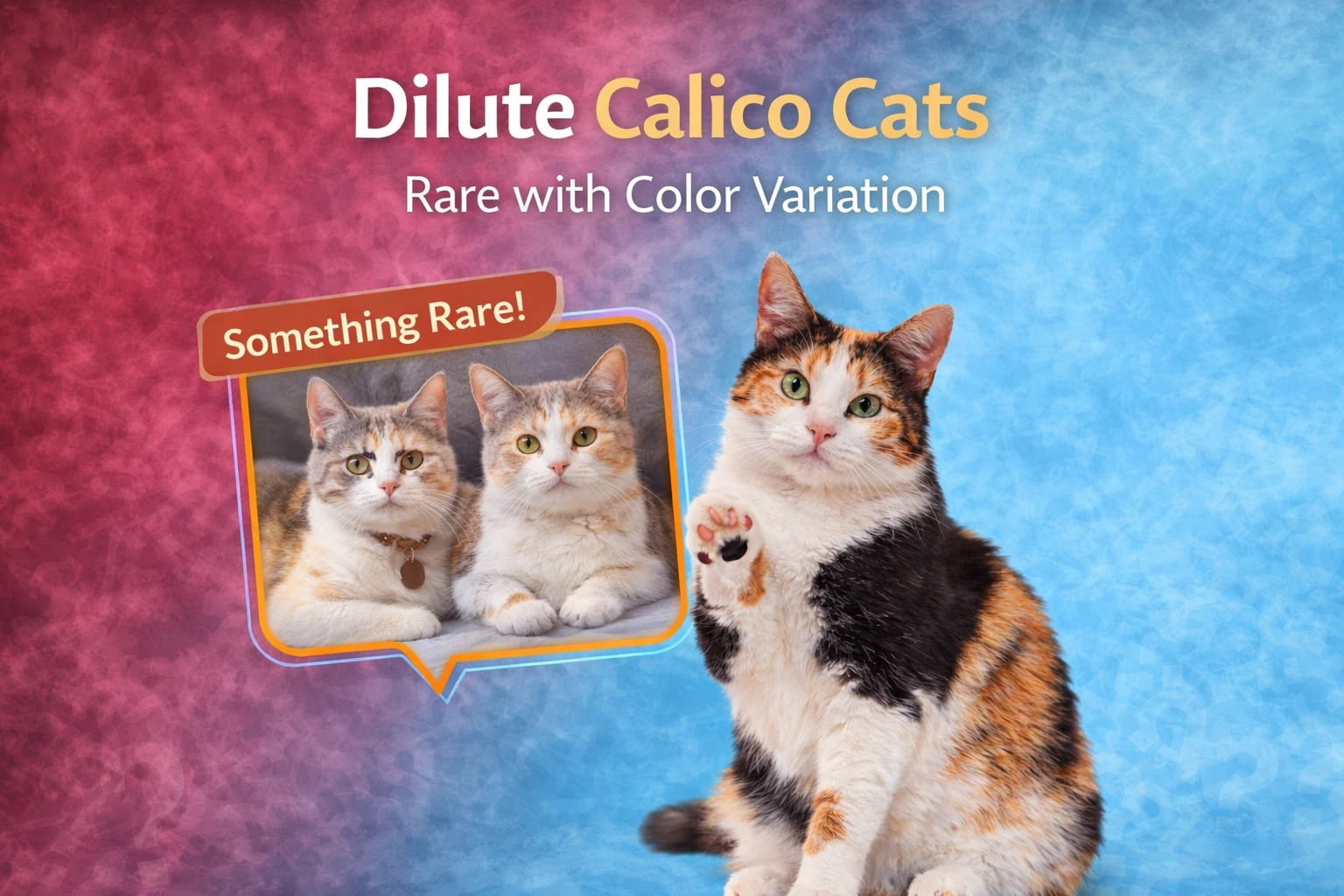
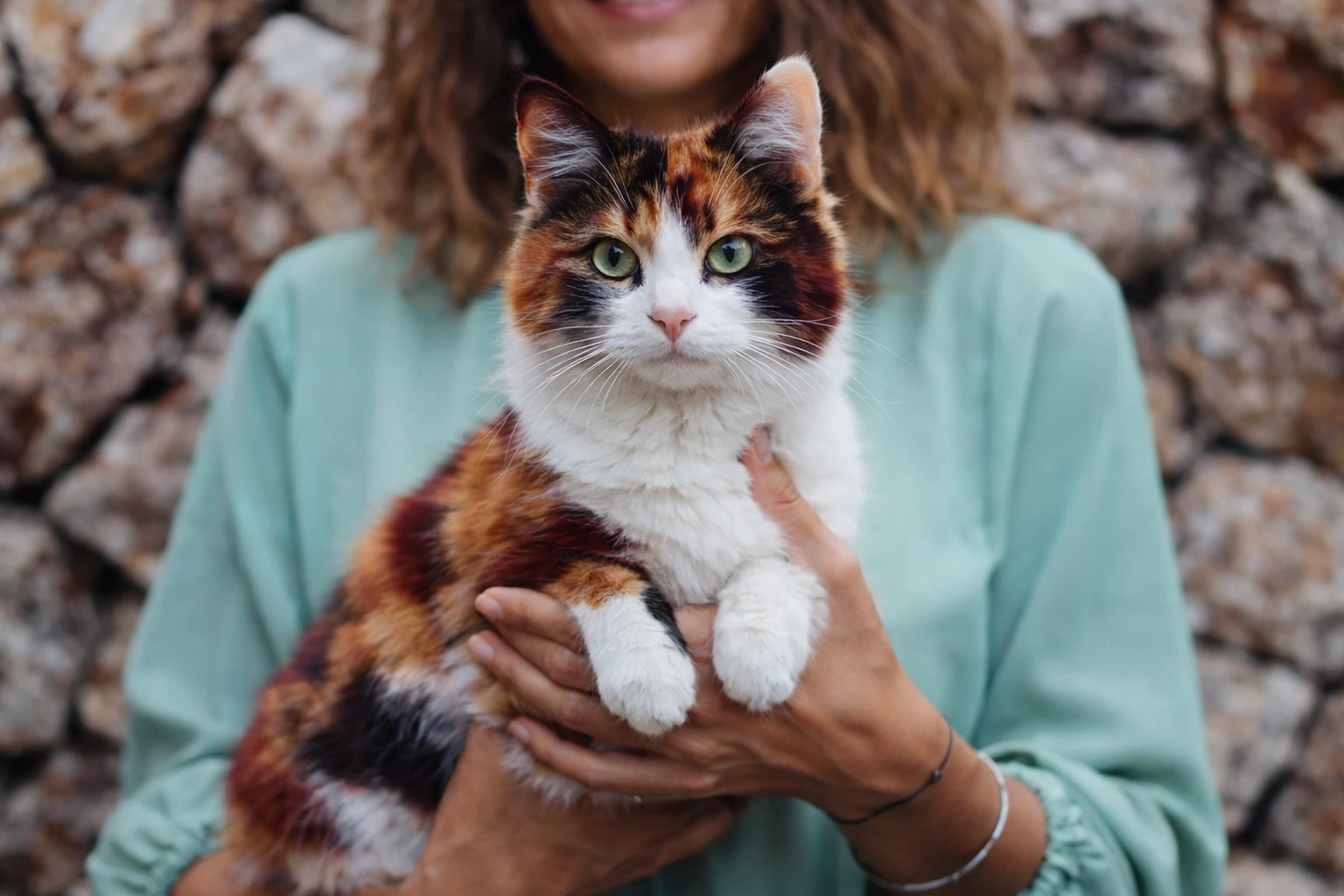
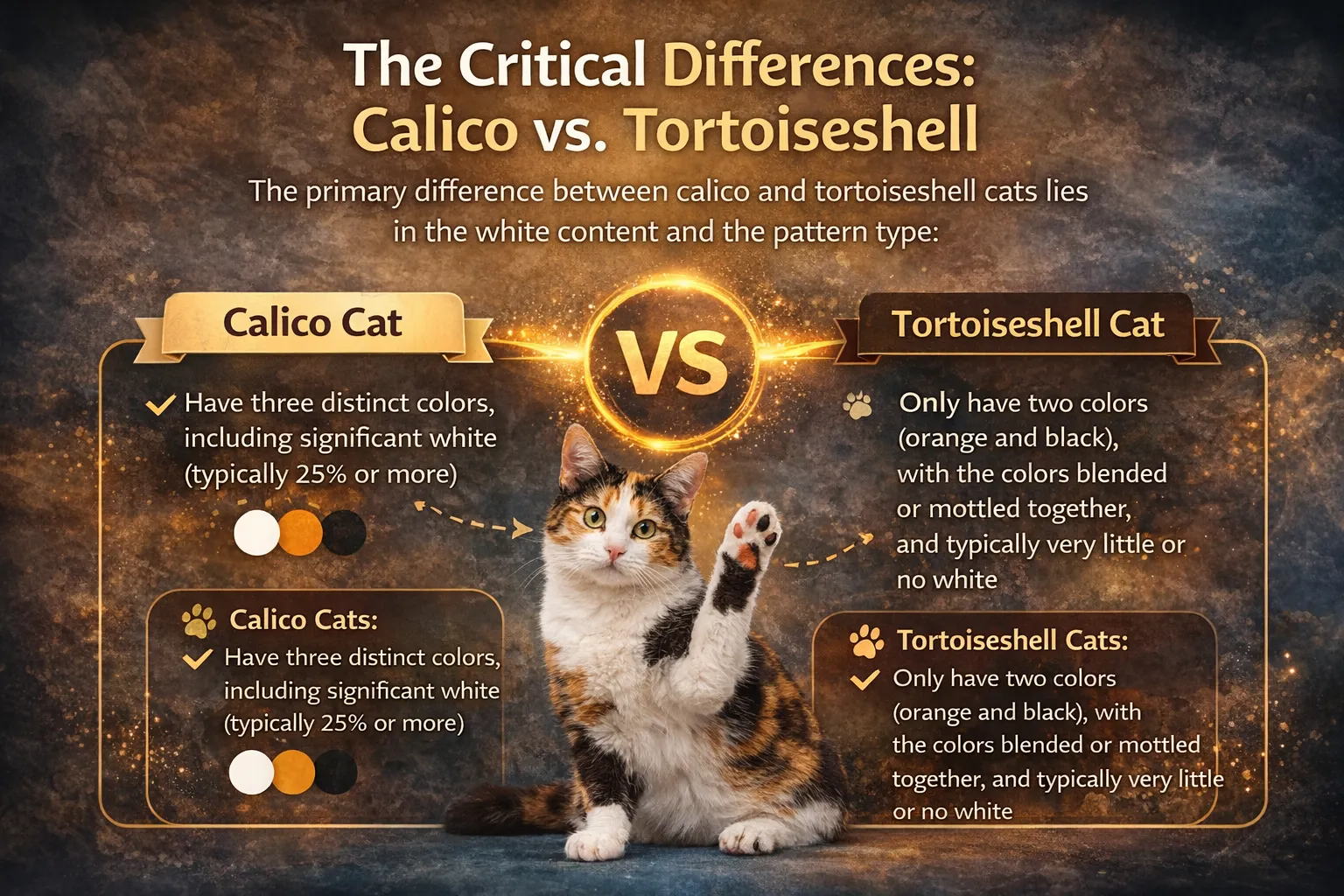
A calico cat is known for its striking three-color coat. The defining feature of calico cats is their distinct patches of white, orange, and black (or diluted versions like cream and gray). White is an essential part of the calico pattern, typically covering 25-75% of their coat. The color patches are clearly separated, creating sharp boundaries between each color. Calicos have an unpredictable, asymmetric pattern, and no two calico cats are identical. Some common variations include classic calicos (white, orange, black) and dilute calicos (white, cream, gray).
What is a Tortoiseshell Cat?
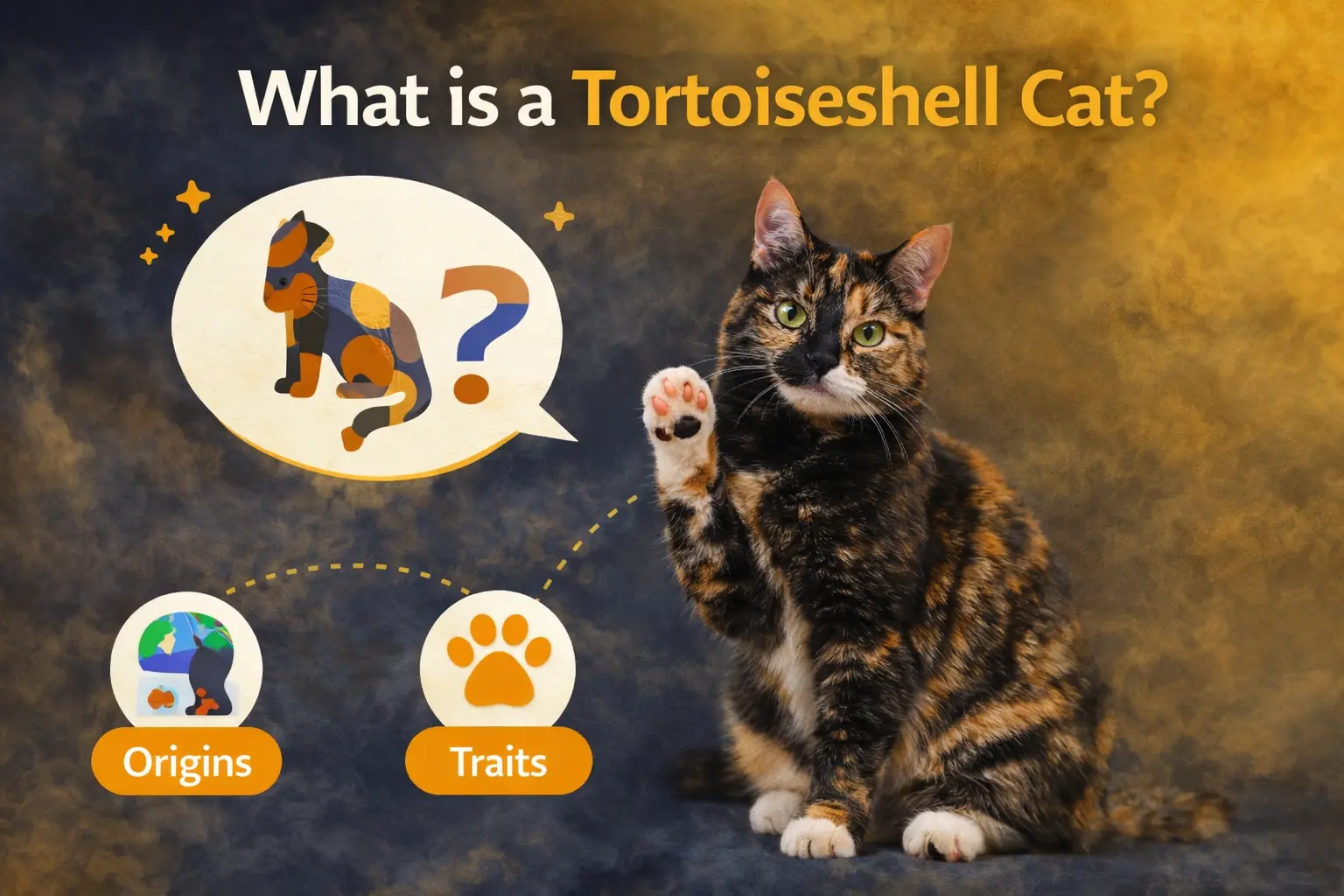
In contrast to calico cats, tortoiseshell cats (often called “torties”) feature a two-color blend of orange and black. The colors are mottled or brindled, meaning the two colors are mixed together rather than appearing in distinct patches. Tortoiseshell cats typically have minimal or no white, but in some cases, they might have a small amount of white on their chest or paws. The pattern gives them a unique, marbled appearance, where the colors swirl together in a beautiful, unpredictable way.
The Critical Differences: Calico vs. Tortoiseshell
The primary difference between calico and tortoiseshell cats lies in the white content and the pattern type:
Tortoiseshell with White: A Gray Area
Cats that are tortoiseshell with white (sometimes called “tortico” or “calitort”) can be confusing to categorize. These cats have the classic tortoiseshell pattern with a bit of white (usually less than 25%). Depending on the amount of white, some may be classified as either tortoiseshell or calico, but they aren’t strictly one or the other. More than 50% white usually tips the balance toward calico.
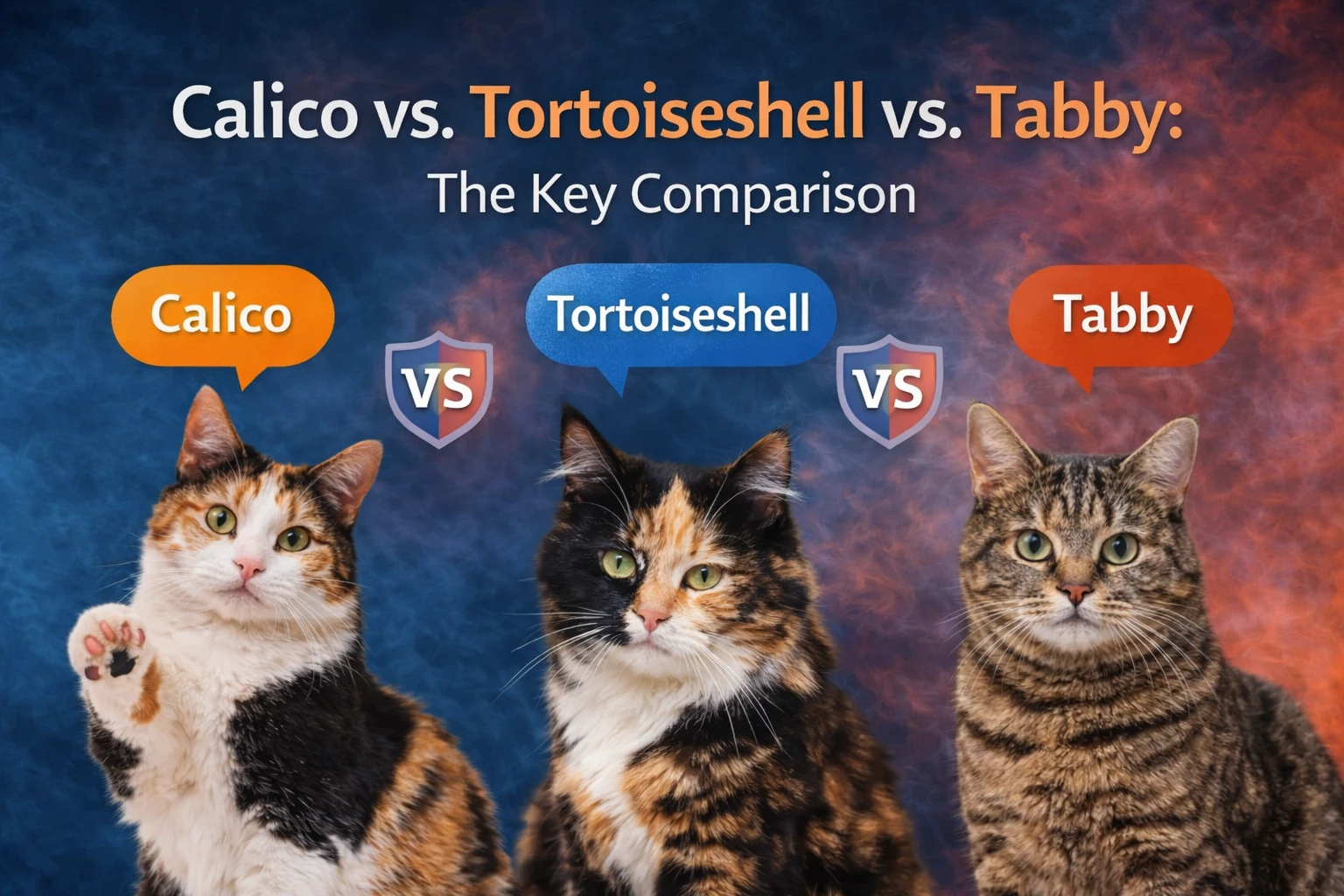
Calico vs. Tortoiseshell vs. Tabby: The Key Comparison
While calico and tortoiseshell share similar color genes, tabby cats differ significantly. Tabby is a pattern characterized by stripes, spots, or swirls, not specific colors. Tabby cats can be any color combination, such as orange, gray, or brown, but their defining feature is their striped or spotted pattern. They do not have the distinct patches like calico or the blended appearance of tortoiseshell.
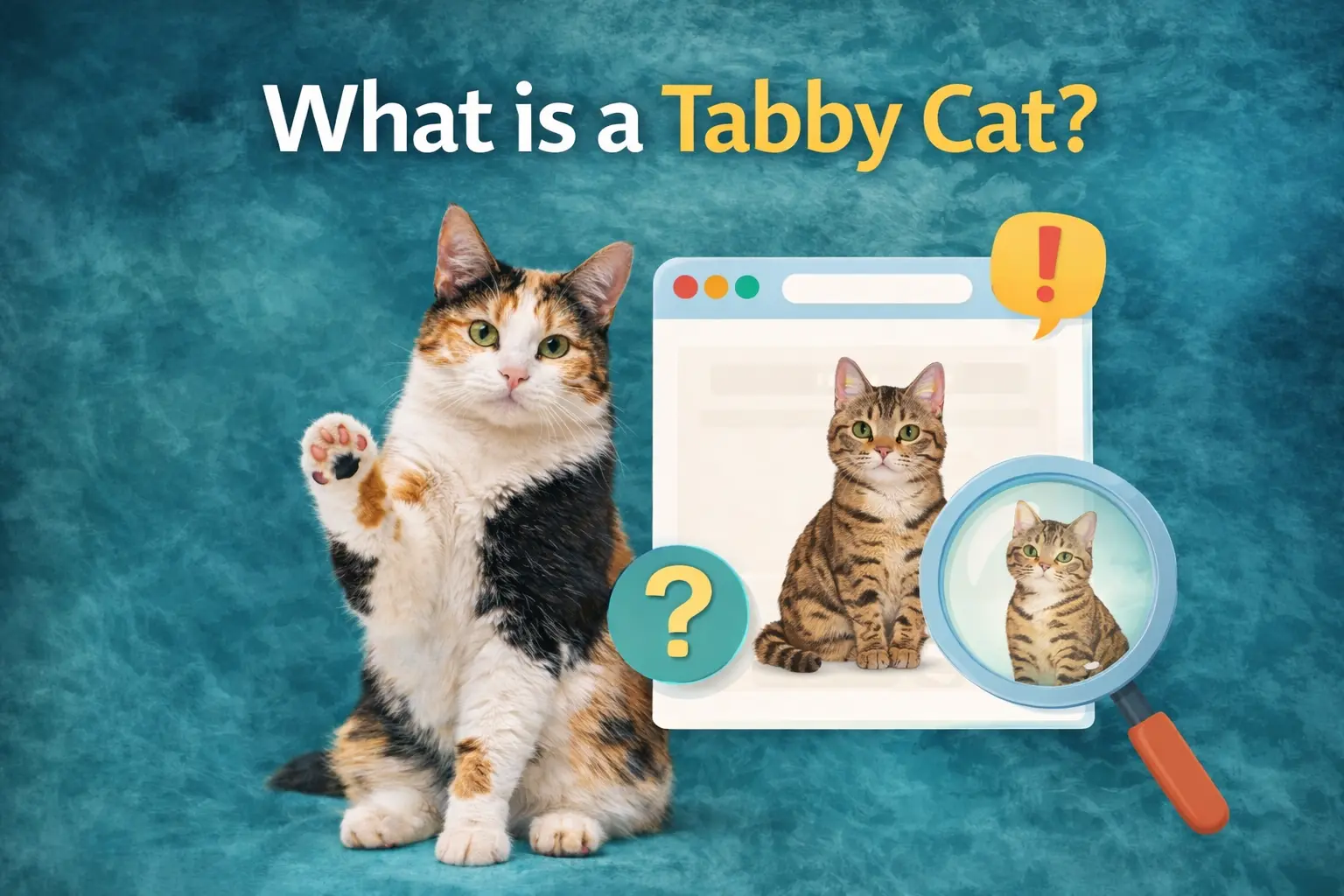
What is a Tabby Cat?
A tabby cat has a pattern rather than a specific color. The most common tabby markings are stripes, spots, or swirls that overlay the base color of the cat. There are several tabby types, including mackerel tabby (narrow stripes), classic tabby (swirled, circular patterns), spotted tabby (round or oval spots), and ticked tabby (banded hairs with no distinct stripes). A tabby cat can be of any color, such as brown, gray, orange, or silver, and they often have a distinct “M” shape on their forehead, which is a hallmark of the tabby pattern.
Calico vs. Tabby: Key Differences
Can a Cat Be Both Calico and Tabby?
Yes! A calico tabby mix (also known as a “caliby” or “tabico”) is a combination of the two patterns. These cats feature the three-color patches of a calico cat, but the colors within the patches may have tabby stripes or markings. So, you may see tabby stripes within the orange or black patches of a calico cat, resulting in a caliby cat, a unique and complex pattern!
Tortoiseshell vs. Calico vs. Tabby: The Three-Way Comparison
| Feature | Calico | Tortoiseshell | Tabby |
|---|---|---|---|
| Pattern Type | Color patches | Blended colors | Stripes/spots/swirl patterns |
| Colors | White, orange, black | Orange, black | Any color combination |
| White Amount | Significant (25-75%) | Minimal to none | Any amount |
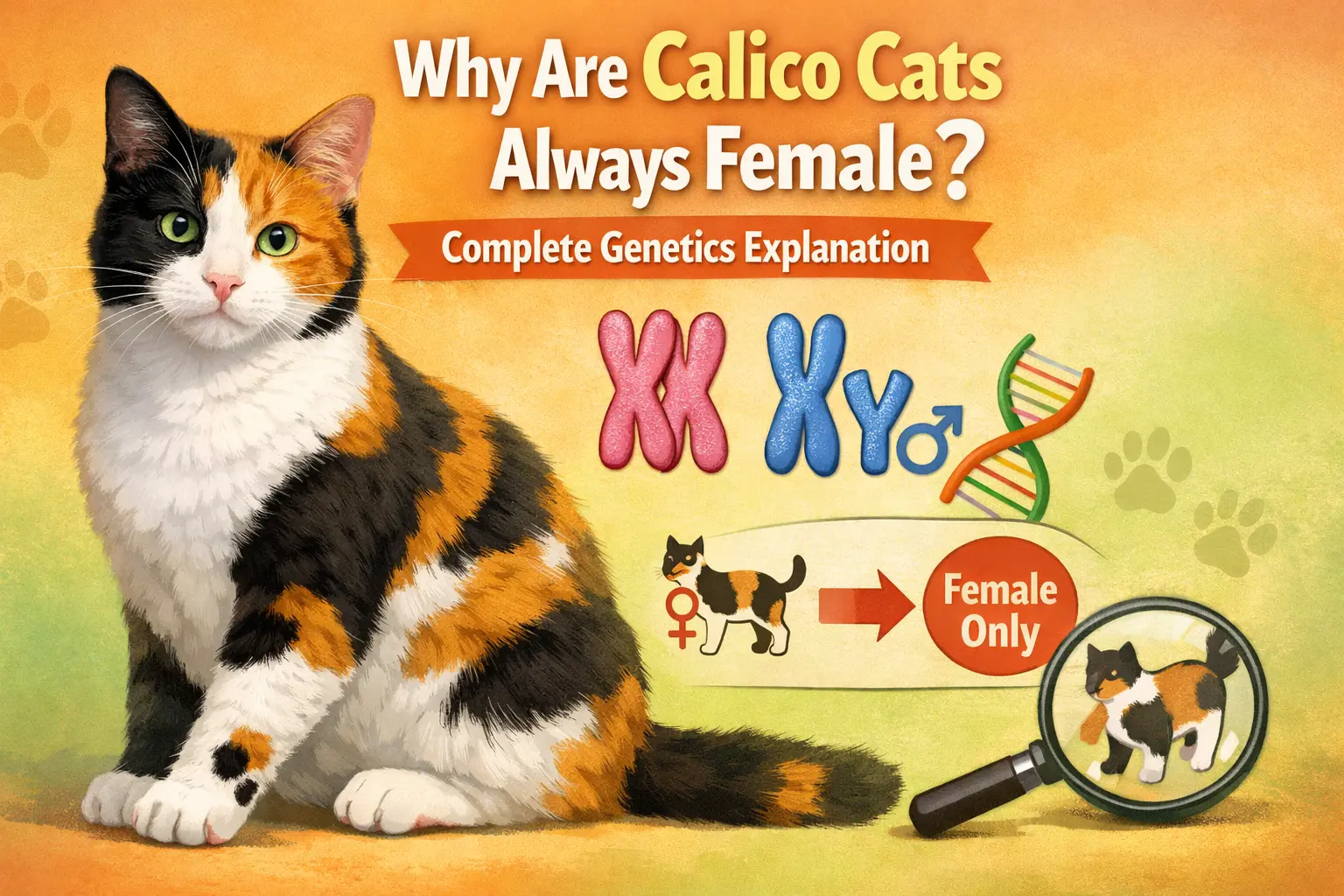
| Gender | 99.9% female | 99.9% female | 50/50 male/female |
| Genetics | X-chromosome inactivation + white spotting | X-chromosome inactivation only | Agouti gene + tabby genes |
| Can Combine? | With tabby (caliby) | With tabby (torbie) | With calico/tortoiseshell |
Personality Differences: Calico vs Tortoiseshell
Both calico and tortoiseshell cats are known for their strong-willed, independent, and spirited personalities, often referred to as “tortitude”. While calicos are often described as more social and adaptable, tortoiseshells tend to be more independent and territorial. However, it’s important to note that personality is not determined by coat pattern—it varies more by breed, individual temperament, and life experiences.
Can a Cat Be Both Calico and Tortoiseshell?
While it is confusing, some cats may have features of both a calico and a tortoiseshell pattern. These cats are typically referred to as “calitort” or “tortico” and feature both the blended tortoiseshell colors and some white areas. However, this does not mean they are pure calico or pure tortoiseshell. The amount of white and the way the colors appear are what distinguish them from each other.
Breed Considerations: Which Breeds Show Which Patterns?
Although calico, tortoiseshell, and tabby patterns can appear in a variety of breeds, some are more commonly associated with certain types:
- Calico Breeds: Domestic Shorthair/Longhair, Persian, Maine Coon, Japanese Bobtail, Turkish Van.
- Tortoiseshell Breeds: Domestic Shorthair/Longhair, Cornish Rex, Persian, British Shorthair.
- Tabby Breeds: Domestic Shorthair/Longhair, American Shorthair, Maine Coon, Bengal, Egyptian Mau.
Conclusion
Understanding the difference between calico, tortoiseshell, and tabby cats is essential for cat lovers and enthusiasts. While calico cats are defined by their distinctive three-color patchwork with significant white, tortoiseshell cats display two colors in a blended, brindled pattern with minimal white. On the other hand, tabby cats have striped, spotted, or swirled patterns, regardless of the color.
By knowing how to identify these patterns, you’ll better appreciate the unique beauty of each cat. Whether you’re dealing with a calico, a tortoiseshell, or a tabby, it’s clear that each one brings their own charm, personality, and beauty to your home. The caliby and torbie patterns add an extra layer of complexity, combining traits from different patterns for a truly unique appearance.