
Can Calico Cats Reproduce? Breeding & Fertility Facts
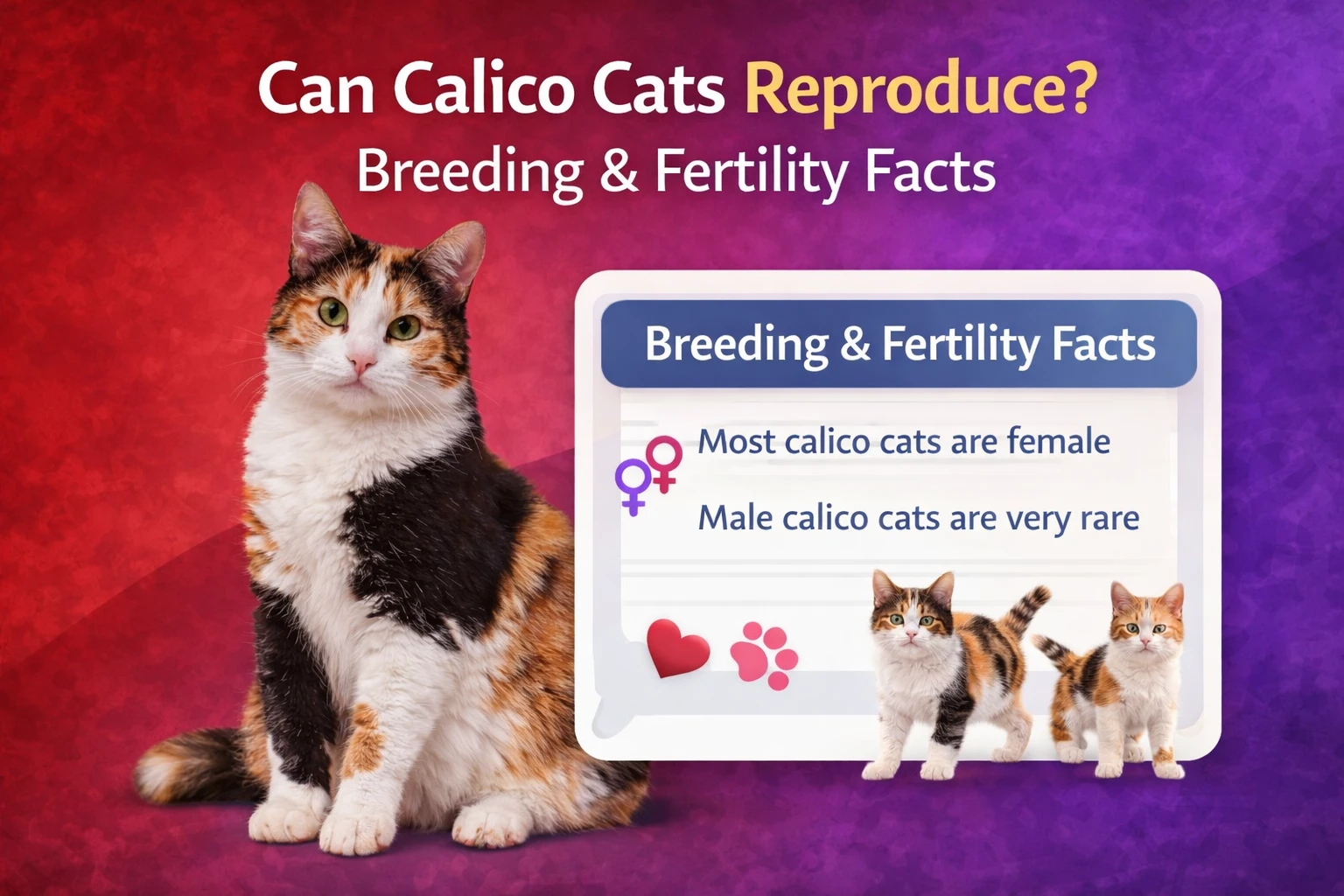
Calico cats captivate us with their stunning tri-colored coats, but many people wonder about their reproductive capabilities. Can calico cats reproduce? Do they have fertility issues? Will they pass their beautiful coloring to their kittens? This comprehensive guide answers all your questions about calico cat breeding, fertility, pregnancy, and what to expect when calico cats have kittens.
Can Calico Cats Reproduce?
The Short Answer: Yes, Female Calicos Can Reproduce Normally
Female calico cats are fully fertile and can reproduce without issues related to their coloring. Since 99.97% of calicos are female with normal XX chromosomes, their reproductive systems work just like any other female cat, allowing them to get pregnant and give birth. The calico pattern does not affect fertility or reproductive organs.
However, male calicos are extremely rare (1 in 3,000) and almost always sterile due to having XXY chromosomes (Klinefelter syndrome), which causes reproductive issues. Around 99.9% of male calicos cannot father kittens.
Are Calico Cats Sterile or Infertile?
Understanding the Gender Distinction
The question “are calico cats sterile?” requires separate answers for male and female calicos because their fertility status differs dramatically based on their chromosomal makeup.
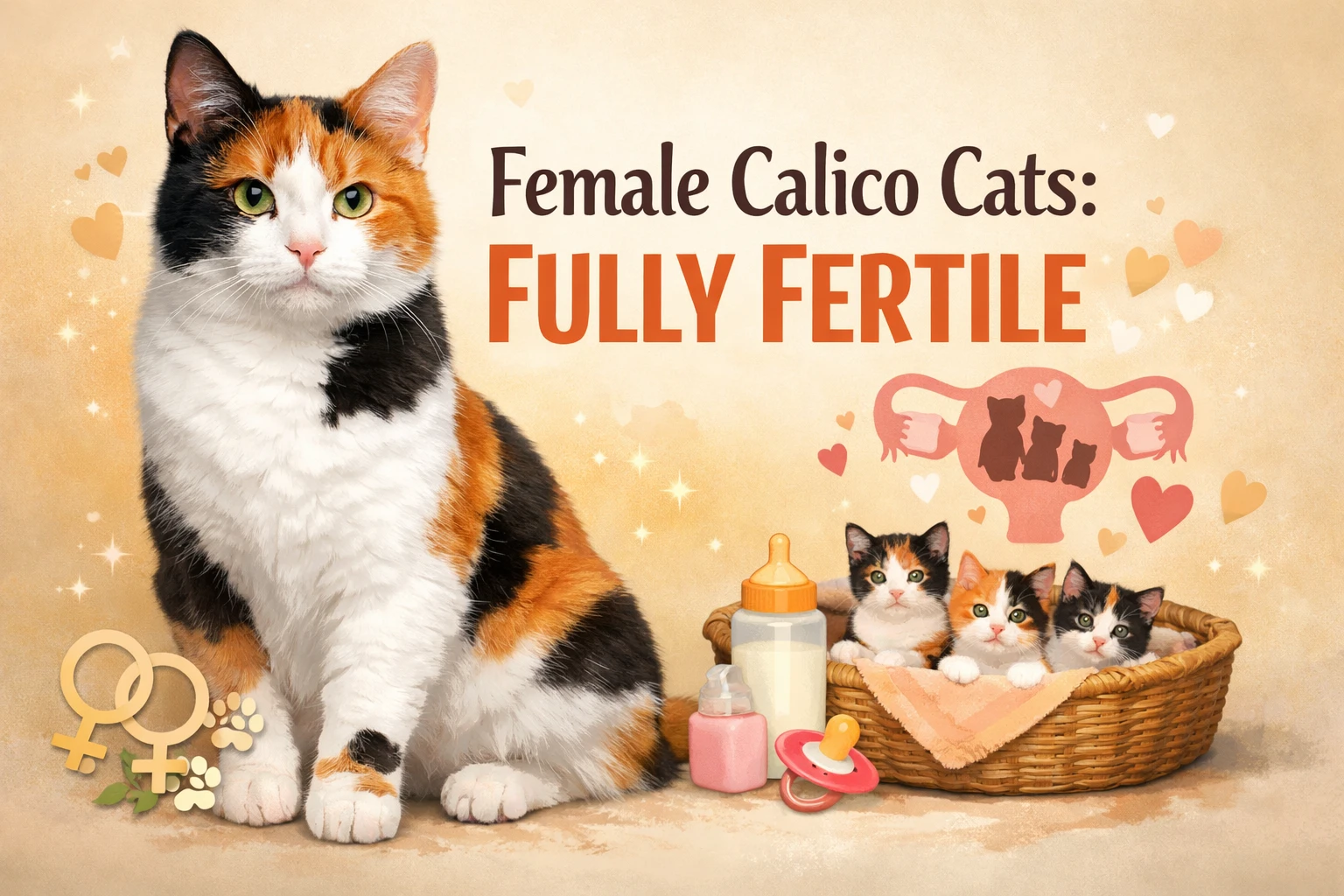
Female Calico Cats: Fully Fertile
Female calico cats are not sterile. They are fully fertile and can have multiple litters throughout their lives. Their XX chromosomes and calico coloring don’t affect ovulation, conception, pregnancy, or birth. Female calicos reach sexual maturity around 5-6 months and can easily become pregnant. They typically produce 1-8 kittens per litter, with 3-5 being the most common range. Their fertility rates are similar to other female cats, with successful conception occurring 70-80% of the time.
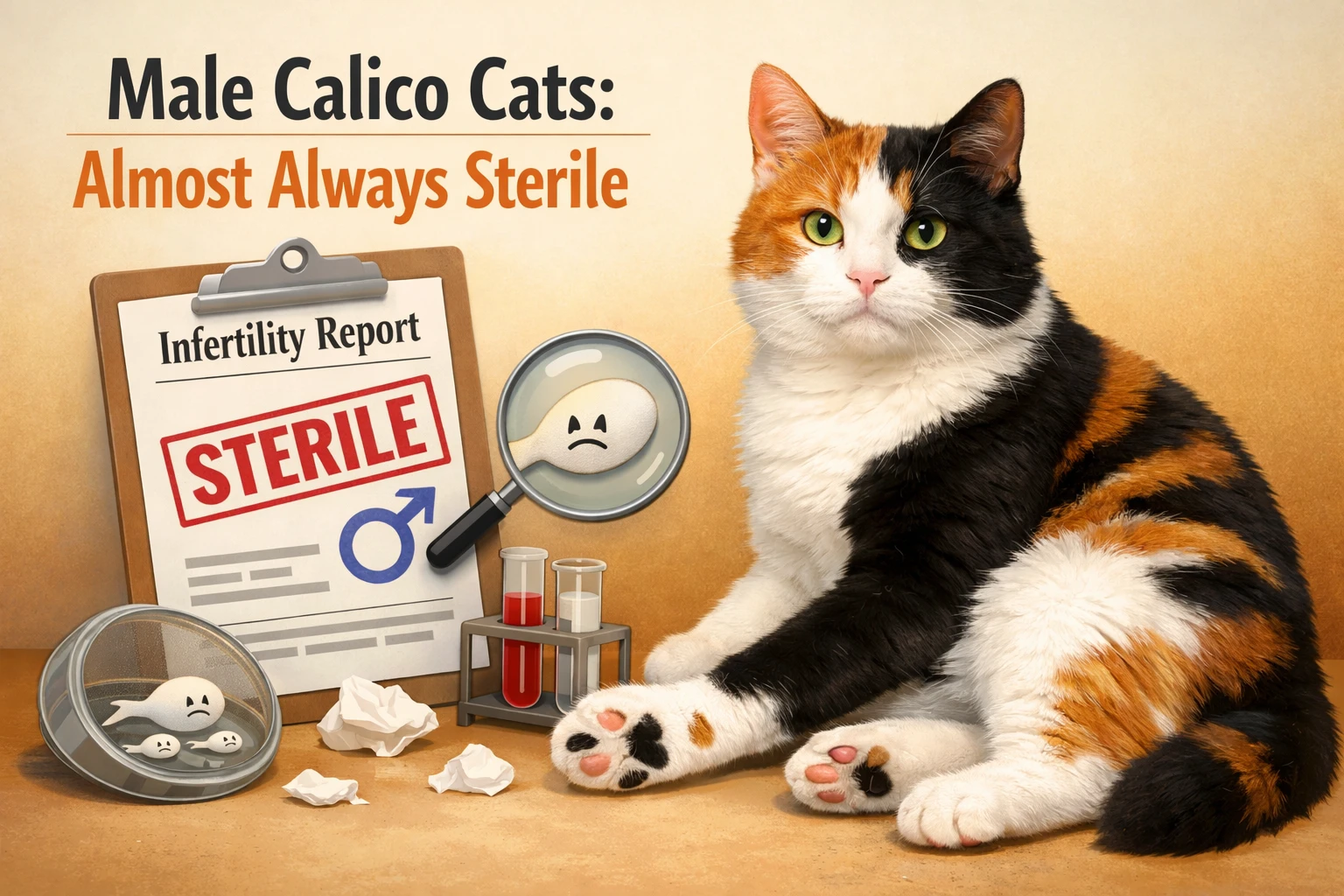
Male Calico Cats: Almost Always Sterile
Male calico cats, however, are extremely rare and almost always sterile due to having XXY chromosomes (Klinefelter syndrome). This chromosomal abnormality disrupts normal testicular development and sperm production. In extremely rare cases, some male calicos may be fertile, but they typically produce abnormal sperm that doesn’t lead to viable pregnancies. For practical purposes, all male calicos are considered sterile and unable to reproduce.
Can Calico Cats Have Kittens?
Yes, female calico cats can have kittens just like any other cat. They go through normal reproduction from sexual maturity (around 4-6 months). During heat cycles (4-7 days, every 2-3 weeks), they become receptive to mating. Conception typically occurs within 24-48 hours of mating.
Pregnancy and Birth
Birthing Process
Complications requiring veterinary help include prolonged labor, more than 4 hours between kittens, or extreme distress.

Do Calico Cats Have Calico Kittens?
A calico mother can produce calico kittens, but it’s not guaranteed. The outcome depends on the genetics of both parents, particularly the inheritance of the orange, black, and white spotting genes.
The color diversity of calico kittens is a result of complex genetic combinations, so not all calico mothers will have calico kittens. The mother’s tri-color pattern doesn’t automatically pass to all offspring.
How Do Calico Cats Reproduce?
The Breeding Process
Calico cats reproduce through the same biological process as all domestic cats, involving estrus cycles, mating, fertilization, pregnancy, and birth.
Female Reproductive Cycle
Female calicos reach sexual maturity between 4-8 months. Once mature, they enter estrus (heat) every 14-21 days, typically during breeding season. Each heat lasts 4-7 days, during which the calico becomes affectionate, vocal, and may attempt to find a mate.
Mating Behavior
During heat, a receptive female calico assumes the lordosis position (rear elevated), and mating occurs quickly. Female cats are induced ovulators, meaning mating triggers egg release, making conception highly likely after a successful mating.
Fertilization and Pregnancy
After mating, sperm fertilize the eggs within 24-48 hours, and the fertilized eggs implant in the uterine wall about 12-14 days later. Pregnancy lasts 63-67 days, with the calico’s body adjusting to support the growing kittens. This includes increased appetite, weight gain, and changes in her mammary glands for milk production.
What Two Cats Make a Calico?
Genetic Combinations for Calico Offspring
To produce calico kittens, specific parental color combinations are required. Here’s how the genetics work:
Most Reliable Combinations
The best chance of producing calico kittens comes from pairing an orange male with a black female.
Reversing the Parents
If the pairing is reversed, with a black male (XoY) and an orange female (XOXO), the outcome is the same:
Other Productive Combinations
How Do You Get a Calico Cat?
To breed calico kittens, the ideal pairing is an orange male and a black female (or vice versa), ensuring one parent carries the white spotting gene for a true calico look. Remember, only female kittens can be calico, and about 50% of the litter will be male, who can’t be calico.
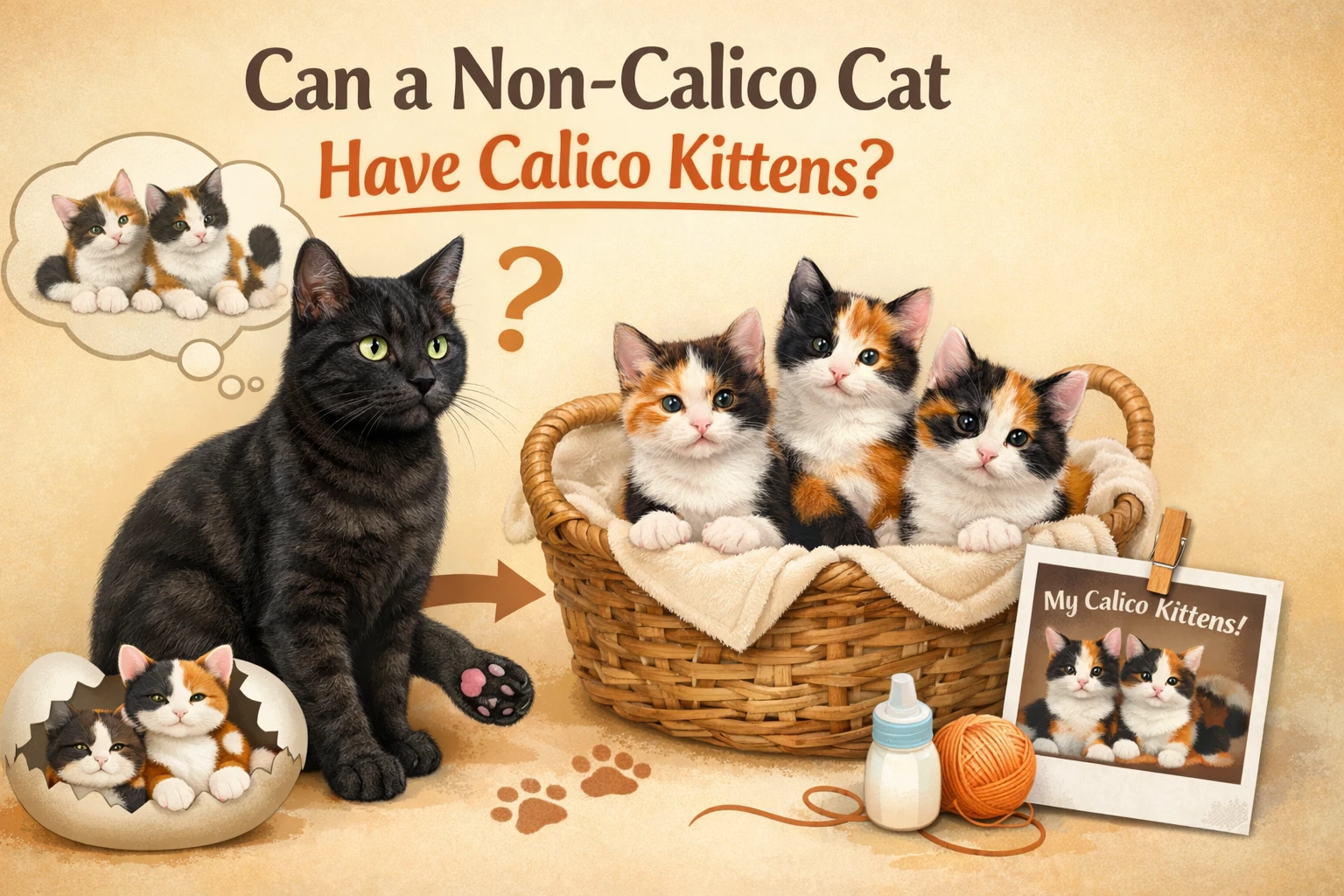
Can a Non-Calico Cat Have Calico Kittens?
Inheritance from Non-Calico Parents
Yes, non-calico cats can have calico kittens if the genetic conditions are right. Calico isn’t a dominant trait but a specific genetic combination that can result from various parental color combinations.
Even solid-colored cats can produce calico kittens if they carry hidden genes. For instance, a black female who carries the orange gene (without showing it) mated with an orange male can produce calico daughters, as the kittens inherit both color genes.

Calico Cat Litter: Size and Characteristics
Calico Cat Litter Size
Calico Kitten Litter Composition
Calico Cat Having Kittens: Care Considerations
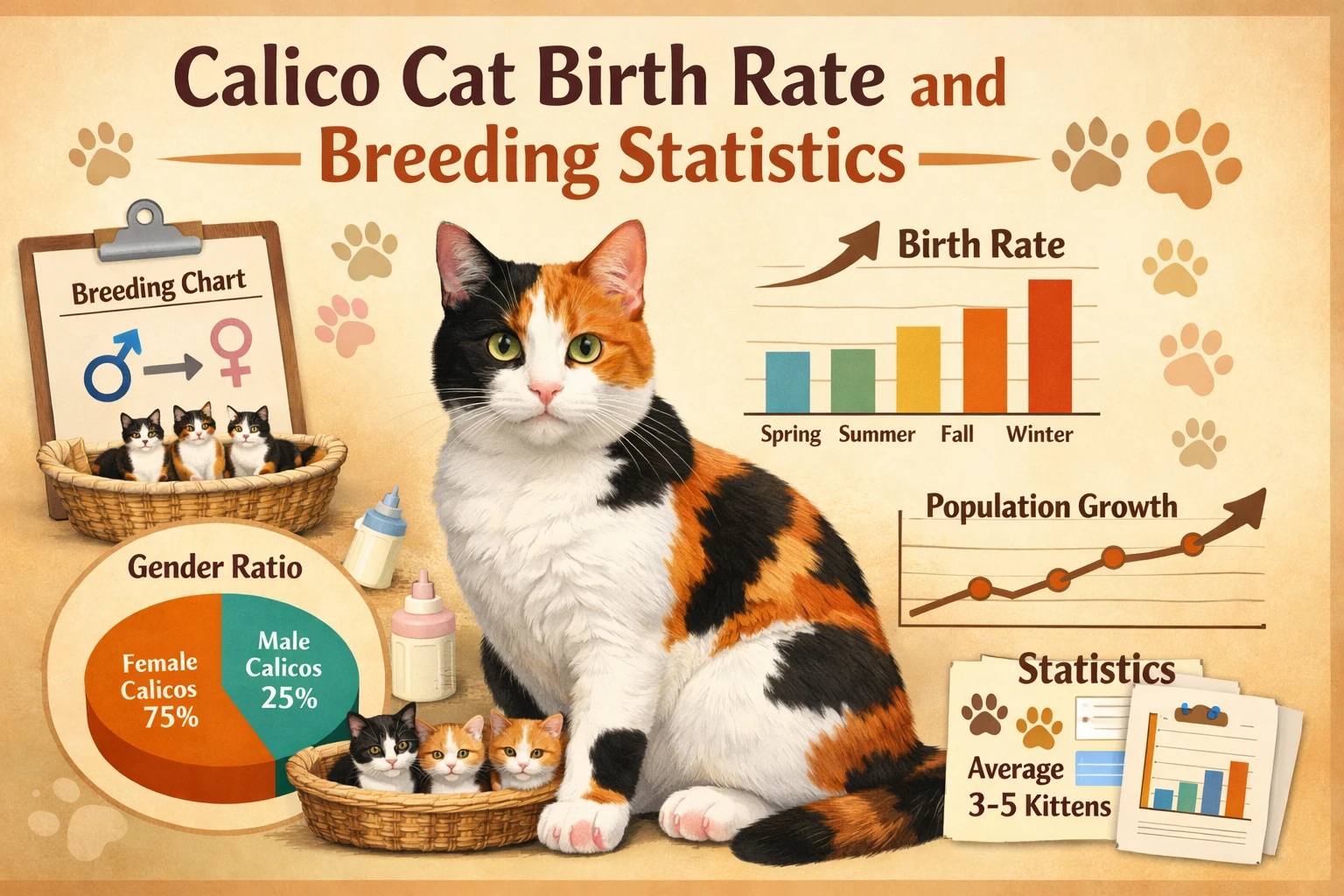
Calico Cat Birth Rate and Breeding Statistics
Frequency in Cat Population
Calico Births from Mixed Matings
Impact of Spaying/Neutering
In areas with feral or unmanaged populations, calico kittens are still regularly born.
Spaying and neutering practices in regions with strong pet ownership reduce the calico birth rate. Though calicos are still common, fewer are born in areas with responsible spaying practices.
| Factor | Percentage |
|---|---|
| Calico Cats in Total Cat Population | 0.1-0.3% |
| Calico Cats Among Female Cats | 0.2-0.6% |
| Calico Kittens from Ideal Pairing | 25-50% |
| Calico Kittens from Random Pairing | 1-3% |
Responsible Breeding Practices for Calico Cats
Ethical Considerations
When breeding calico cats, it’s crucial to follow responsible practices to ensure the health and welfare of both the parent cats and kittens.
When to Breed
Health Testing and Screening
Finding Appropriate Homes
Alternative to Breeding
Given the millions of cats in shelters, consider adopting instead of breeding. Adoption helps save lives, and unless you’re a dedicated breeder, it’s a more responsible choice to reduce overpopulation.
Managing Calico Cat Reproduction
Spaying and Population Control
For pet calico cats not intended for breeding, spaying is the responsible choice. It prevents unwanted pregnancies and helps control the cat overpopulation crisis, reducing the number of cats in shelters and preventing euthanasia.
Benefits of Spaying Calico Cats
Optimal Spaying Timing
Spaying After Pregnancy
After giving birth, spaying is still recommended, ideally after the kittens are fully weaned (8-10 weeks). This ensures the cat’s health and avoids future litters. In some cases, spay-abort (spaying during pregnancy) may be necessary but is more complex.
Pregnancy Prevention for Calico Cats
Managing Intact Females
If you have an intact (unspayed) calico cat, preventing unwanted pregnancy requires careful management until spaying can be scheduled.
Indoor Confinement
The best way to prevent pregnancy is by keeping the calico strictly indoors, especially during heat cycles. Calicos in heat are motivated to escape and find mates, so securing all windows and doors is essential. Consider leash training for supervised outdoor time. Keeping them indoors also protects from traffic, predators, and diseases.
Separating from Males
If you have both intact females and males in your household, physical separation is necessary during heat cycles. However, it can be difficult, as males can sense females in heat even through doors. Separation causes stress, vocalizing, pacing, and potential behavioral problems. Spaying or neutering one (or both) cats is the most effective solution.
Temporary Contraception
In cases where spaying is delayed, temporary contraception options like hormonal injections or GnRH agonist implants are available. However, these are not recommended long-term due to potential health risks such as diabetes, mammary tumors, and uterine infections. These options should only be used short-term under veterinary supervision and never replace permanent spaying.
Conclusion – Breeding & Fertility Facts
Female calico cats can reproduce normally, with no fertility issues related to their coat color. Male calicos are rare and almost always sterile due to an XXY chromosomal abnormality.
Whether a calico cat has calico kittens depends on genetics, with the father’s coloring playing a key role. Understanding reproduction and choosing adoption over breeding is the responsible choice.