Debunking Aggression Myths & Attitude Truths of Calico Cats
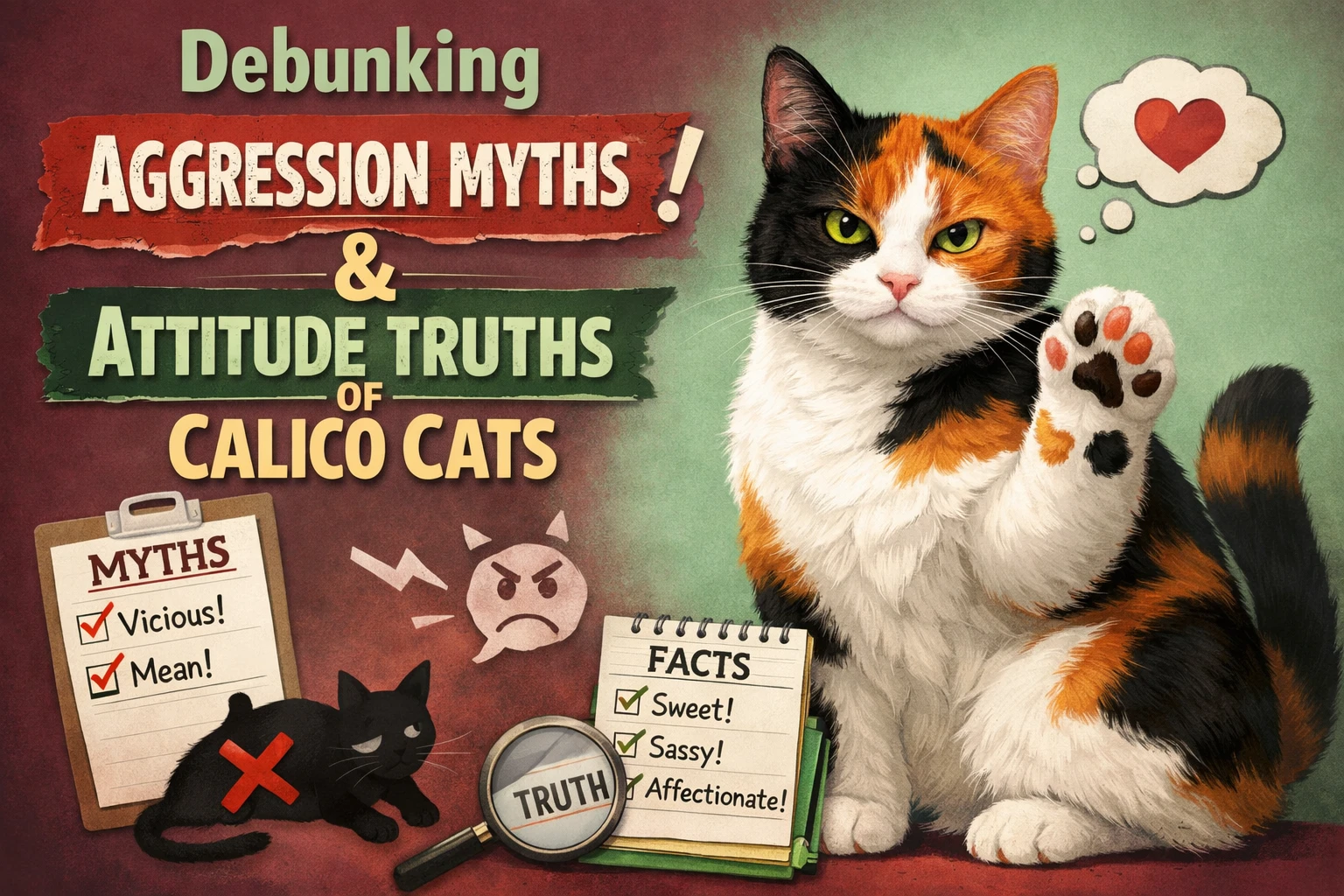
Calico cats are instantly recognizable by their striking tri-color coats—typically a blend of white, black, and orange or red. Beyond their visual appeal, however, calicos are often surrounded by strong opinions about their behavior. Labels such as “aggressive,” “moody,” or “temperamental” are frequently attached to them, especially in online discussions and folklore. This article separates myth from reality by examining what truly influences calico cat behavior and attitude.
Are Calico Cats Mean or Just Misunderstood
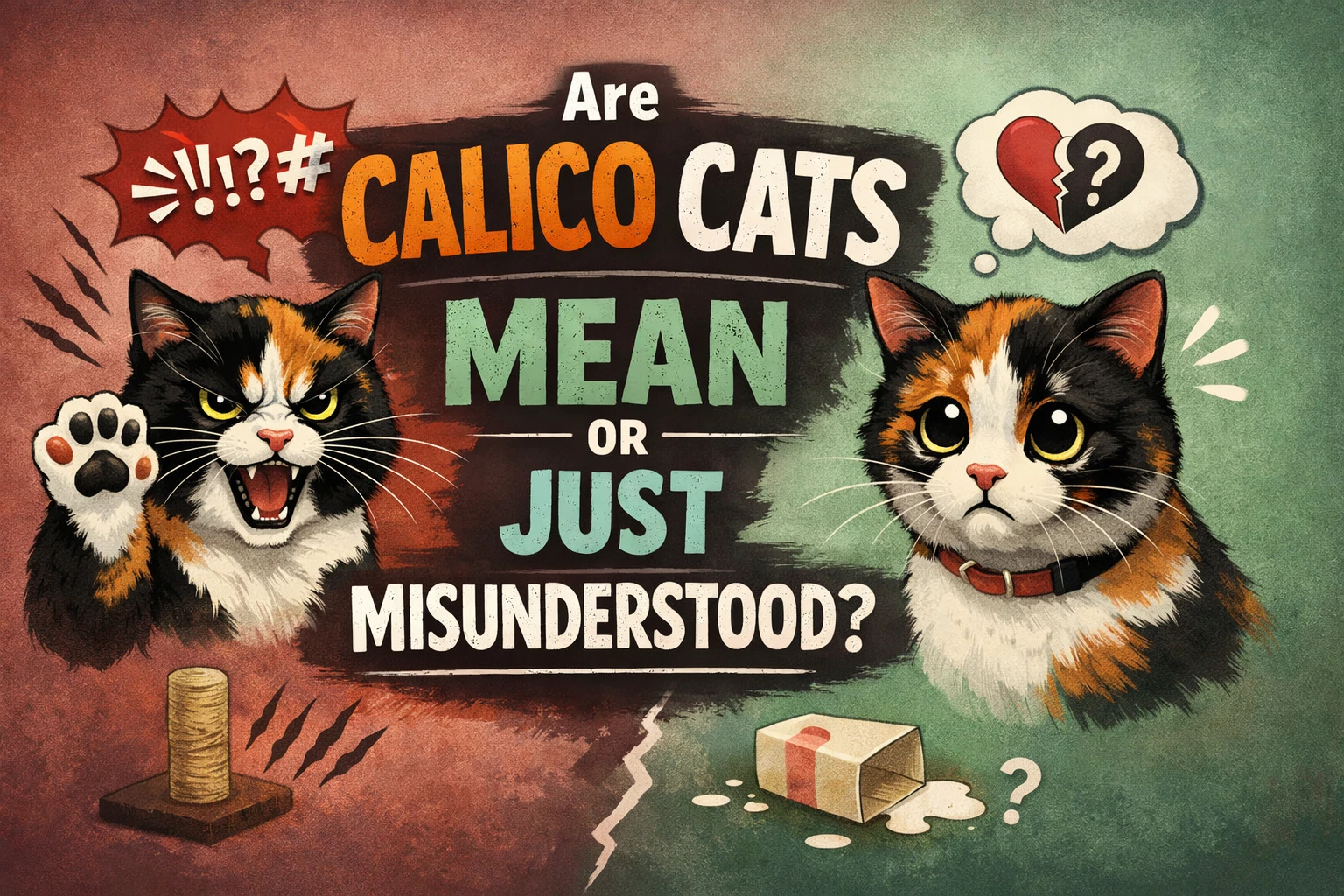
The short answer is no, calico cats are not mean by nature. The idea that are calico cats bad often comes from misunderstandings of their strong personalities.
Calicos are known for being expressive, confident, and independent. These traits can sometimes be mistaken for meanness, especially by people expecting a quiet or overly submissive cat.
Why Are Calico Cats Mean According to Some Owners
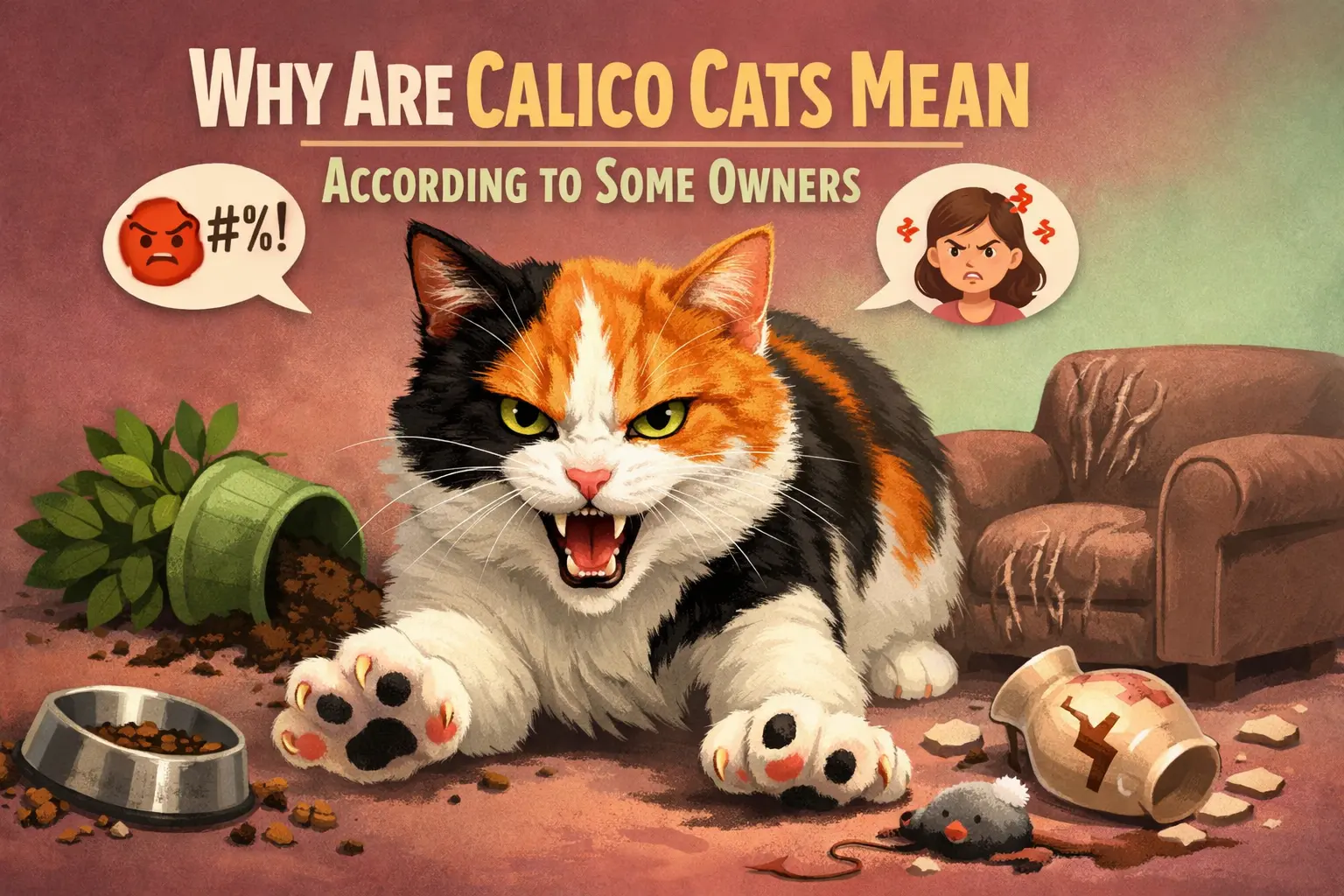
Many owners wonder why are calico cats mean, but what they’re often seeing is assertive behavior rather than aggression.
Calico cats tend to set clear boundaries. If those boundaries are ignored, they may react defensively, which can appear mean when it’s actually communication.
Are Calico Cats Aggressive by Nature
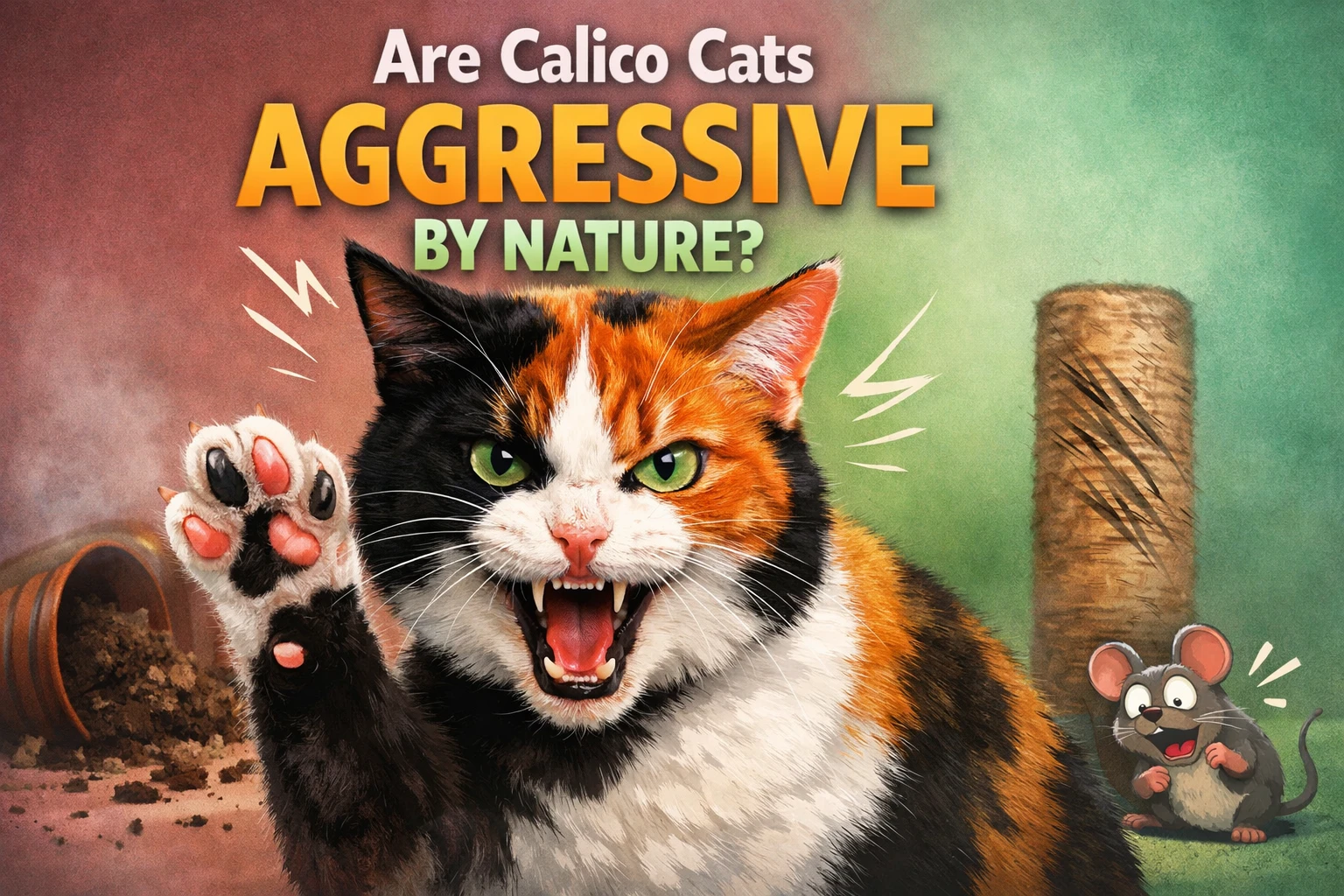
No Calico cats are not aggressive by nature.
Calico is a coat color pattern, not a breed, and there is no scientific evidence linking calico coloration to innate aggression. The belief that calico cats are naturally aggressive is a myth driven by anecdotal stories, social media narratives, and confirmation bias.
Why the Myth Exists
Expressive personalities: Many calicos are confident and vocal, which can be misread as hostility.
Boundary setting: Calicos often communicate discomfort clearly (hissing, swatting when overstimulated), which is healthy feline behavior.
Memorability bias: Their striking appearance makes their behavior more noticeable and easier to stereotype.
Are Calico Cats Crazy or Just Energetic
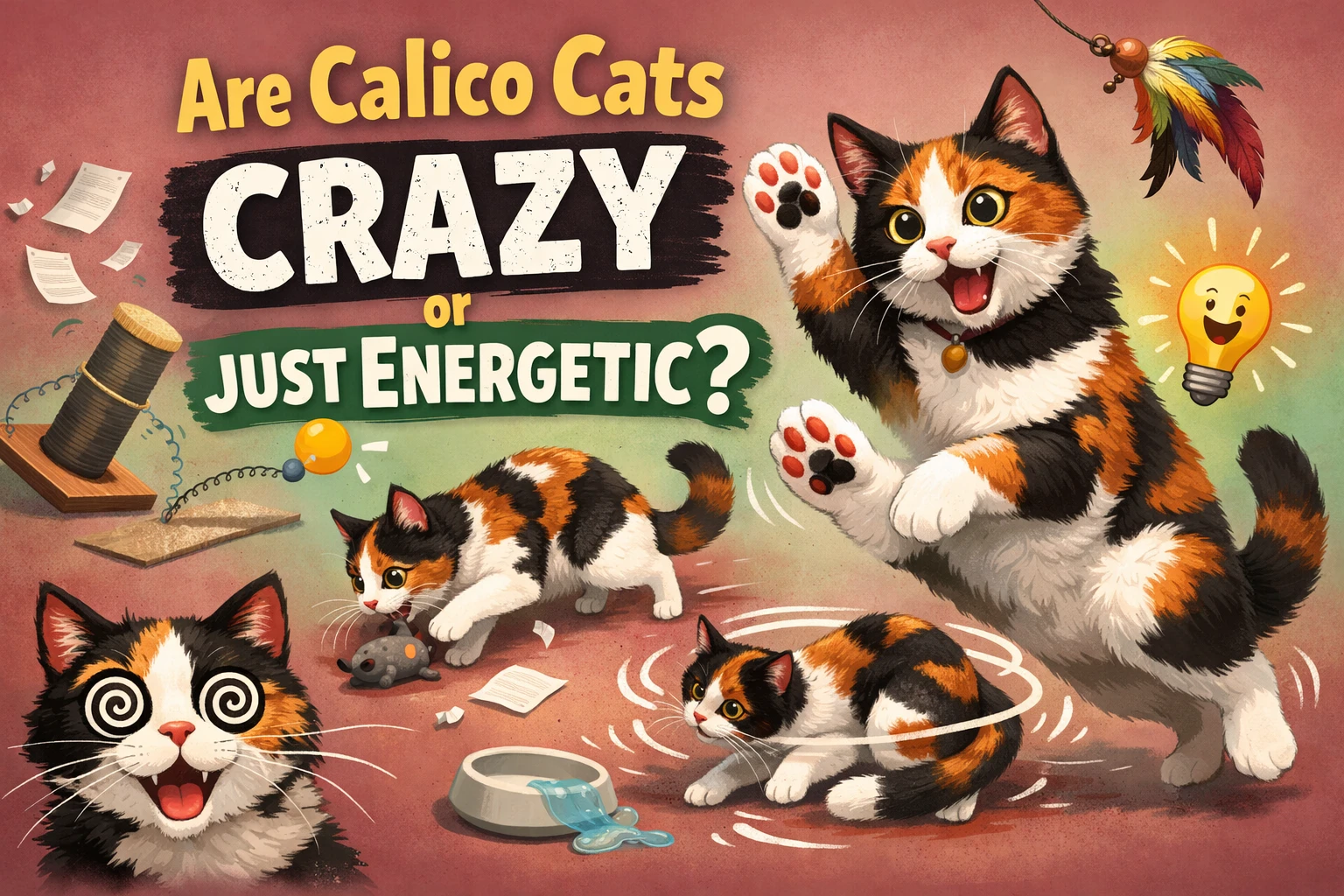
The question are calico cats crazy is common online, especially on social media. Calicos are known for sudden bursts of energy, vocal behavior, and dramatic reactions.
When people ask why are calico cats crazy or why are calico cats so crazy, they’re often describing normal feline behavior amplified by a confident personality.
Are Calico Cats Sassy or Bad Tempered
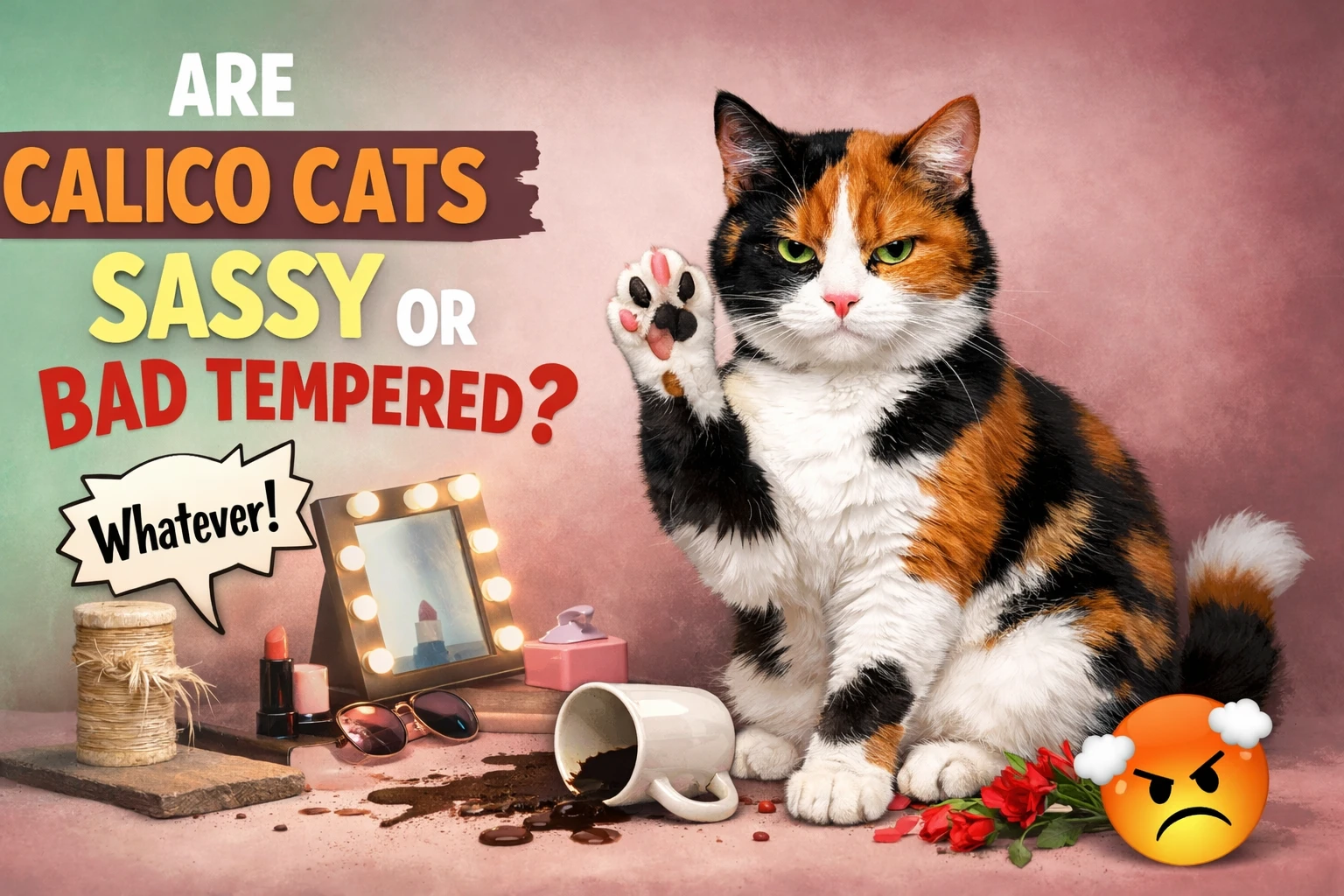
Calico cats are no more mean or stubborn than any other cat. A calico’s temperament depends on her individual personality, which can range from sweet and affectionate to independent or aloof, just like any other cat. The idea that calicos are inherently mean or stubborn is not accurate. In fact, many calicos are loving and enjoy human interaction.
Calico Cats Are Mean or Stubborn
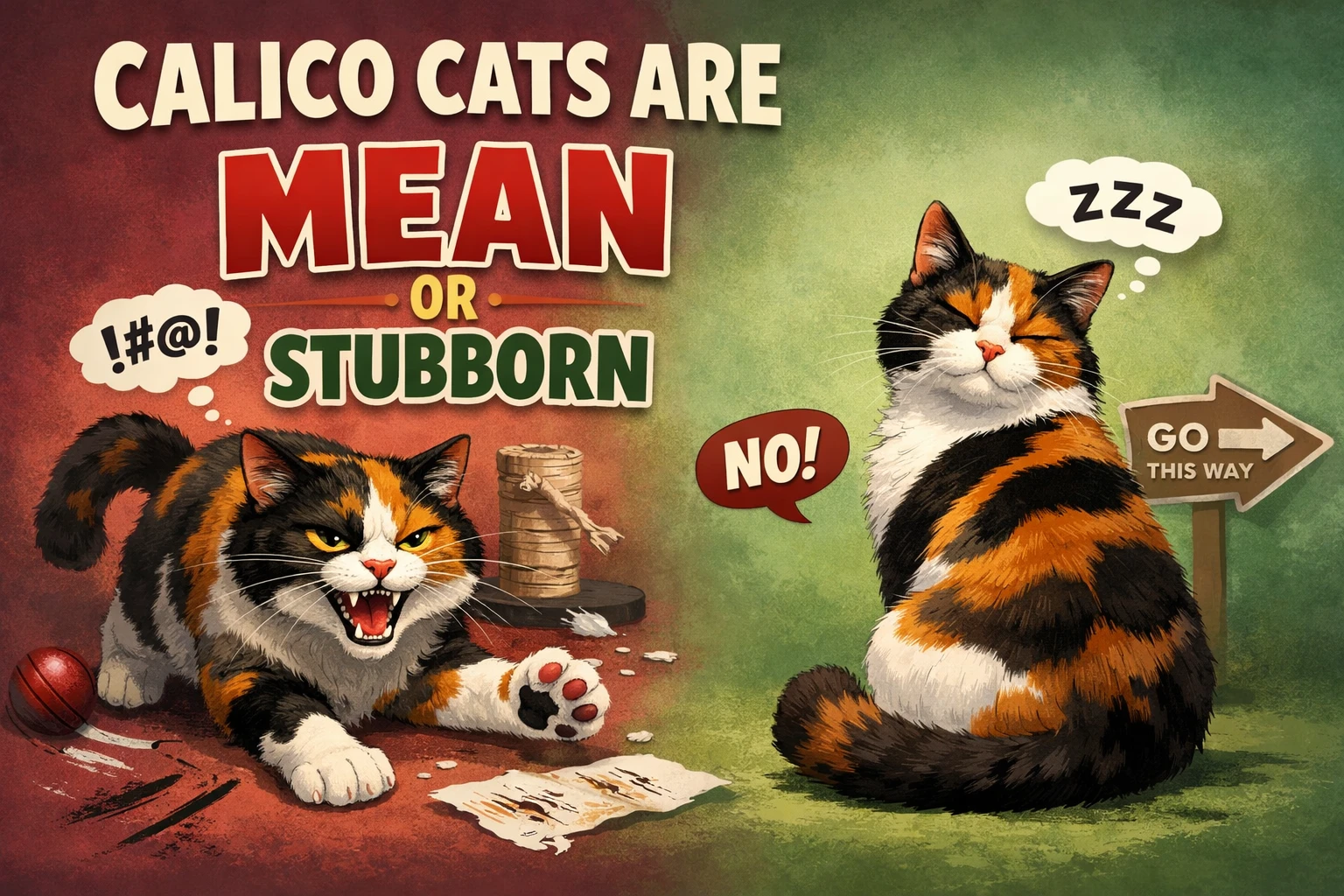
The belief that calico cats are mean or stubborn is a long-standing stereotype, not a behavioral fact. This misconception arises largely from misinterpreting normal feline behaviors—especially confidence and boundary-setting—as negative personality traits.
Why Calico Cats Get This Label
Calico cats are often described as:
- Independent
- Assertive
- Highly expressive
These traits can be misunderstood. When a calico cat refuses unwanted handling, vocalizes displeasure, or reacts quickly to overstimulation, people may label the behavior as “mean” or “stubborn.” In reality, the cat is clearly communicating discomfort or preference—something all cats do, though not all do it as distinctly.
Are Calico Cats Difficult to Live With
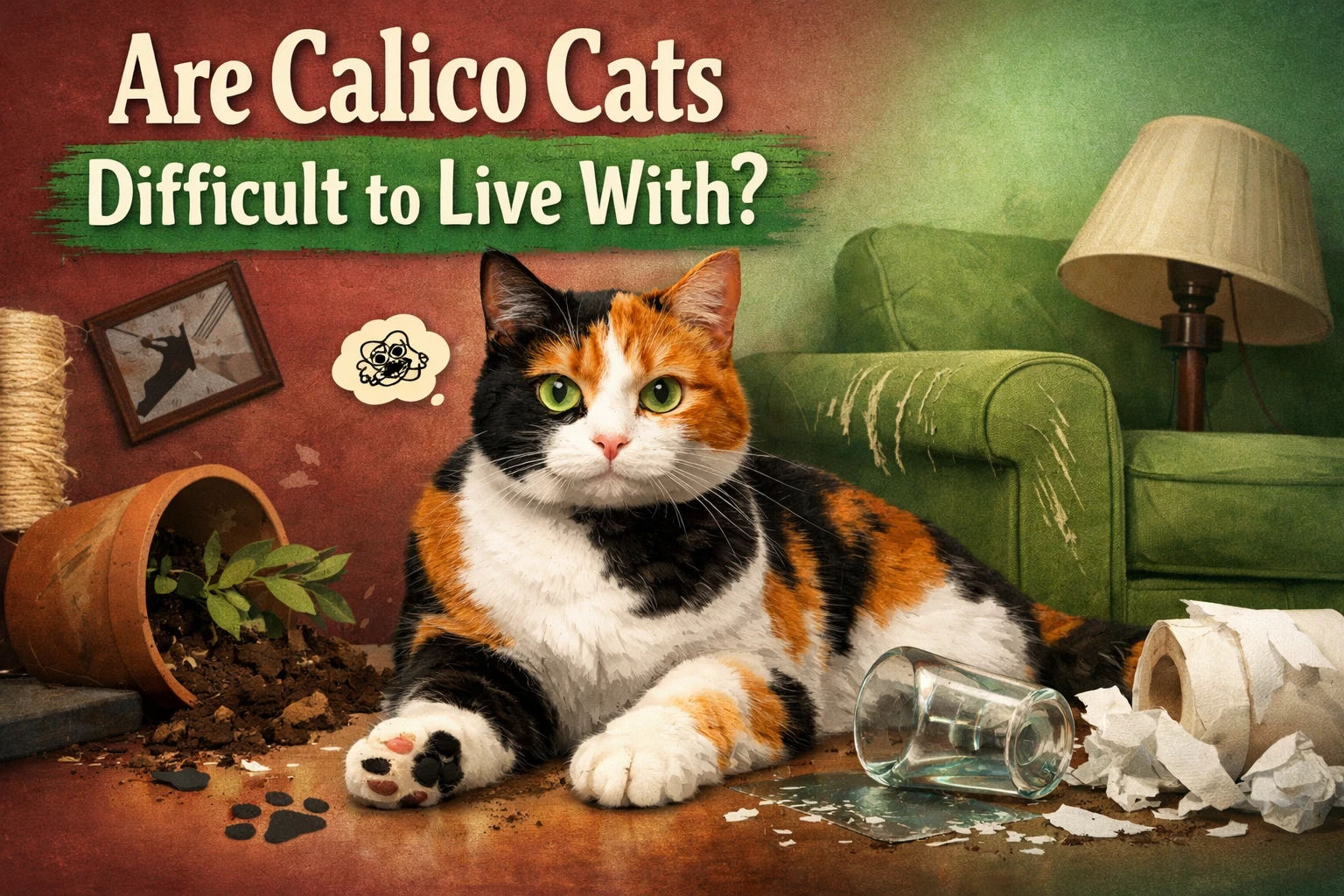
Some potential owners worry are calico cats difficult to manage. In reality, calicos are no harder than other cats when their needs are understood.
They thrive in stable environments with clear routines. Problems usually arise when boundaries are ignored or when the cat lacks mental stimulation.
Calico Cat Personality Problems Explained
The term calico cat personality problems is often used when owners experience stubbornness or territorial behavior.
These traits are not flaws. They are part of a confident personality that needs proper socialization, enrichment, and patience to manage effectively.
Calico Cat Behavior Problems and Their Causes
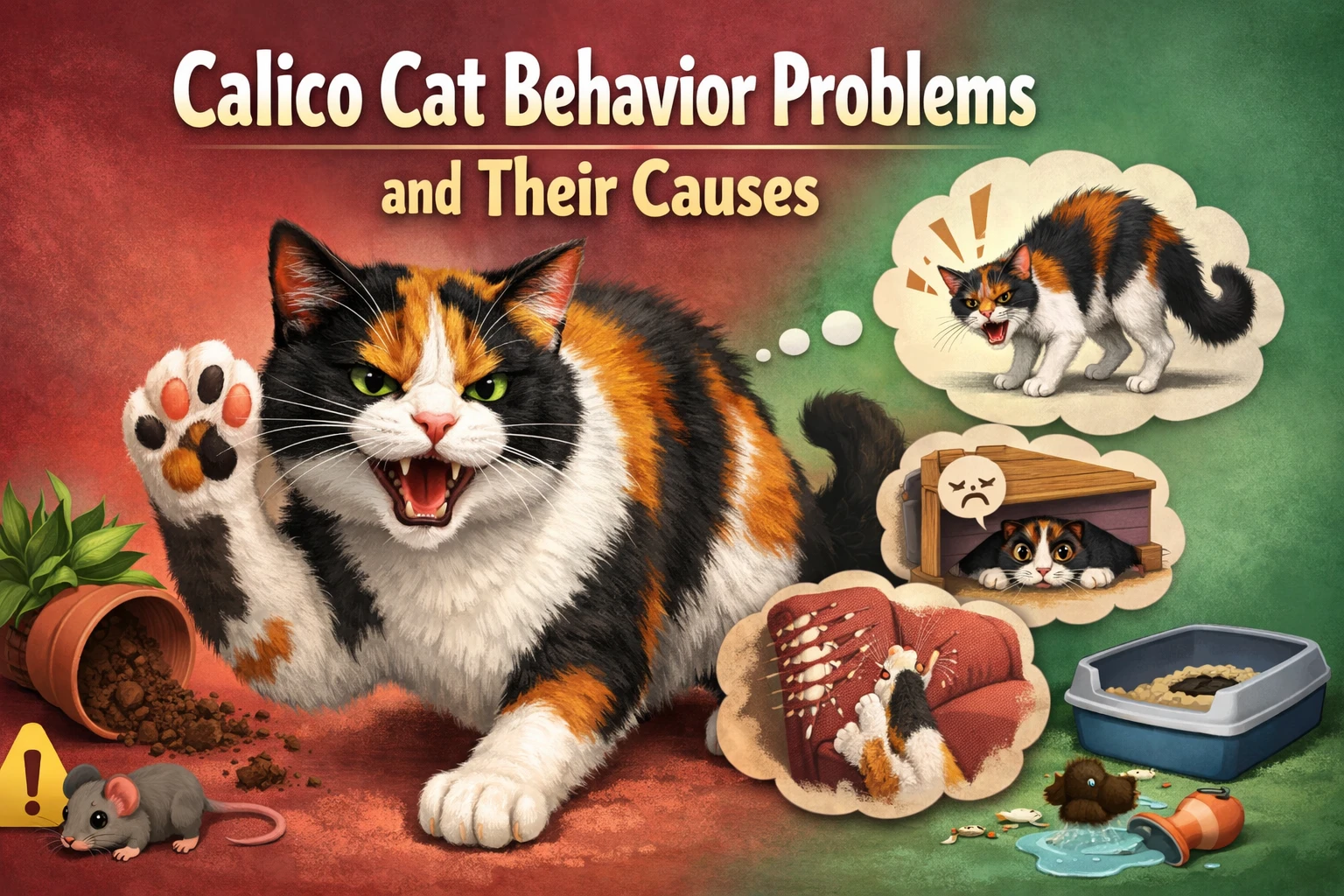
Common calico cat behavior problems include swatting, hissing, or avoidance. These behaviors are usually stress-related rather than signs of aggression.
Changes in routine, lack of playtime, or overstimulation can trigger these responses. Addressing the root cause often resolves the issue.
Calico Cats Are Healthier or Harder to Care For Than Other Cats
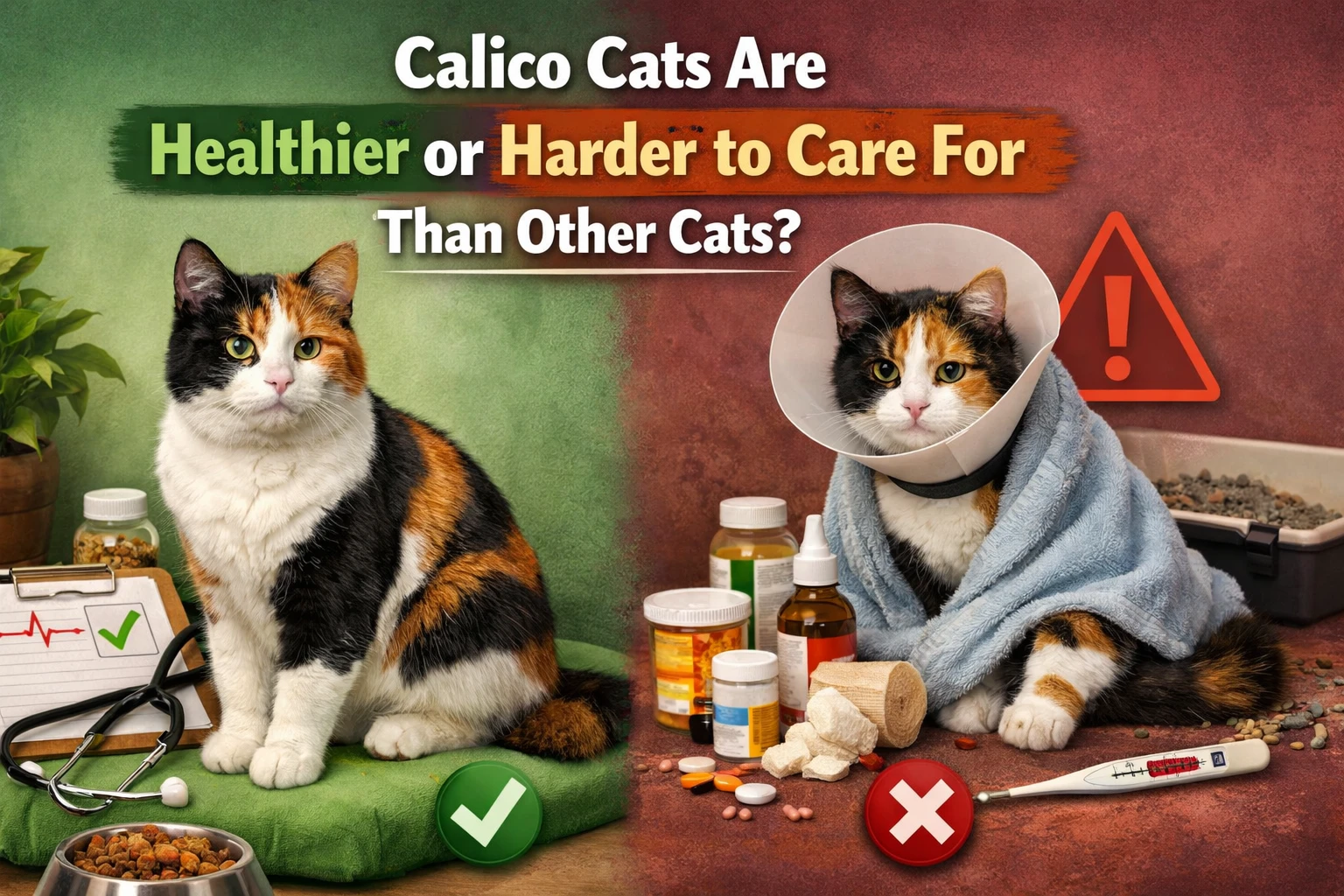
There is no inherent difference in the health or care needs of calico cats compared to other domestic cats. Their coat coloring is not linked to any particular health issues or traits that would require extra care. Calicos are subject to the same range of health issues as any other cat, and their lifespan is typically similar to that of other cats.
Are Calico Cats Bad Pets Overall
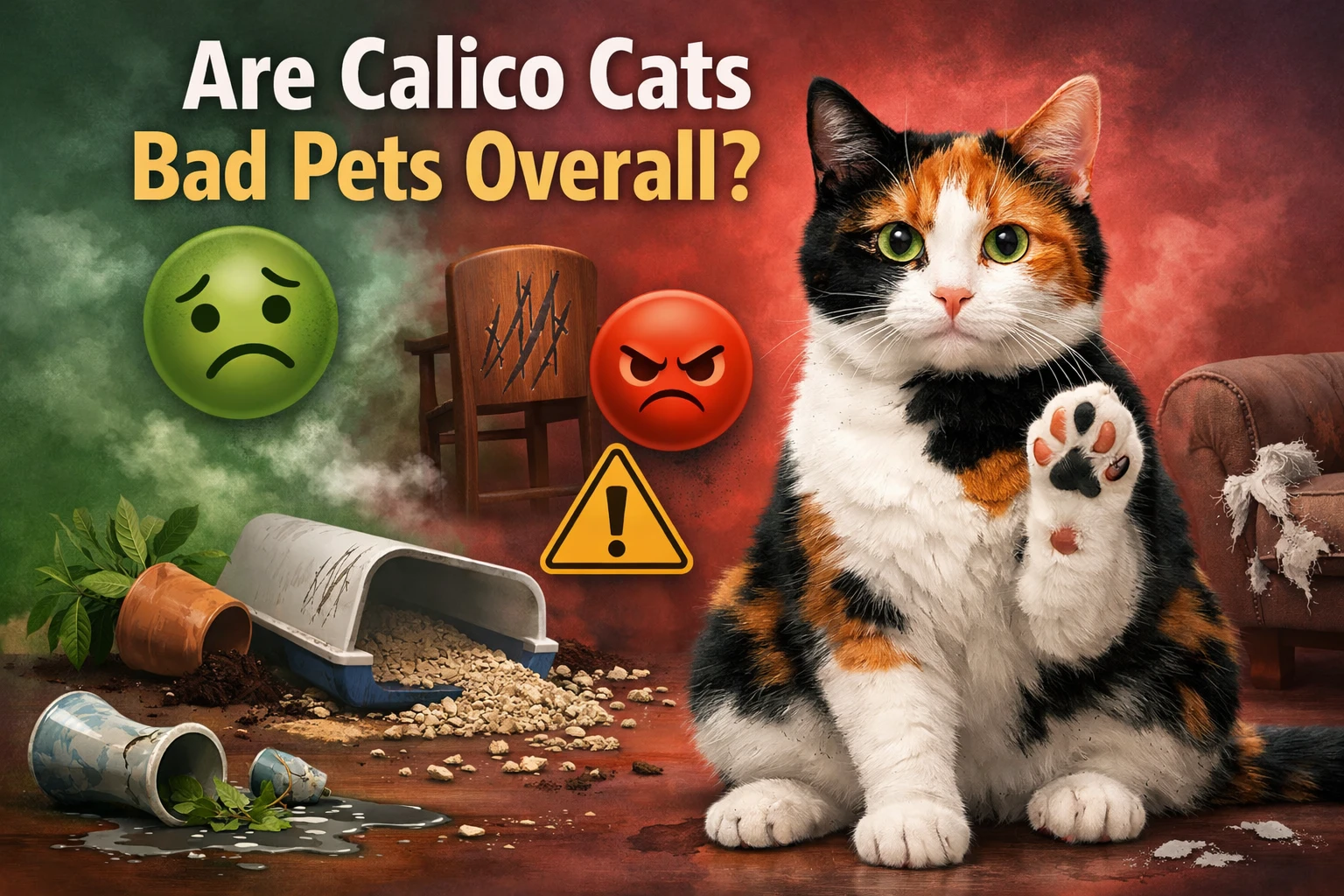
Like any cat, calico cats can get along with other pets, but this depends largely on their individual personalities and how they were introduced to other animals. Aggression between cats or toward other pets is often more about territorial behavior or socialization issues than about coat color. Proper introductions and providing enough space for each pet are key to reducing conflict.
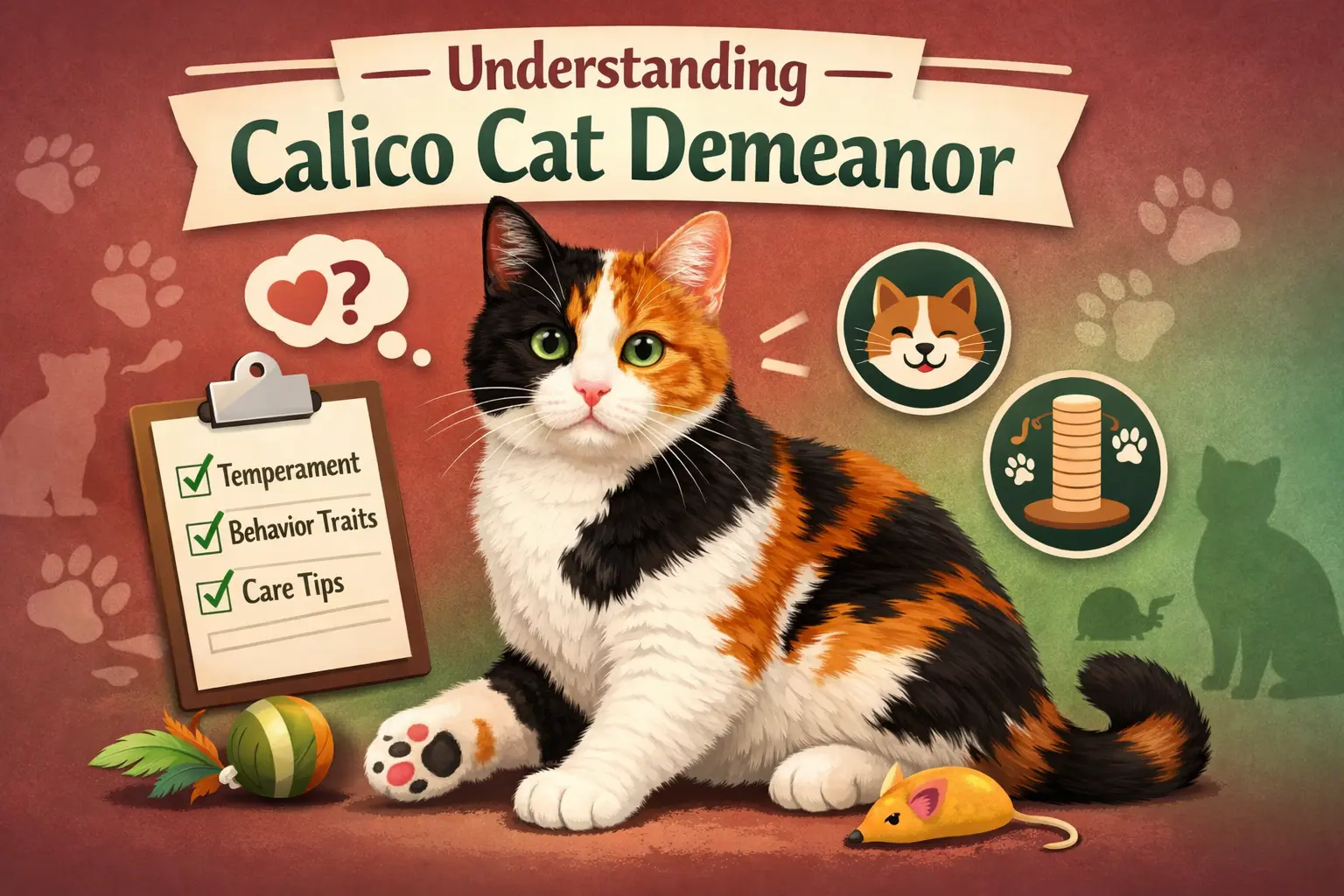
Understanding Calico Cat Demeanor
The demeanor of a calico cat is often discussed with a mix of admiration and misunderstanding. Because calicos are visually distinctive and relatively uncommon, their behavior tends to attract labels that are not always accurate. To truly understand a calico cat’s demeanor, it is important to separate personality traits from myths and to examine the real influences on feline behavior.
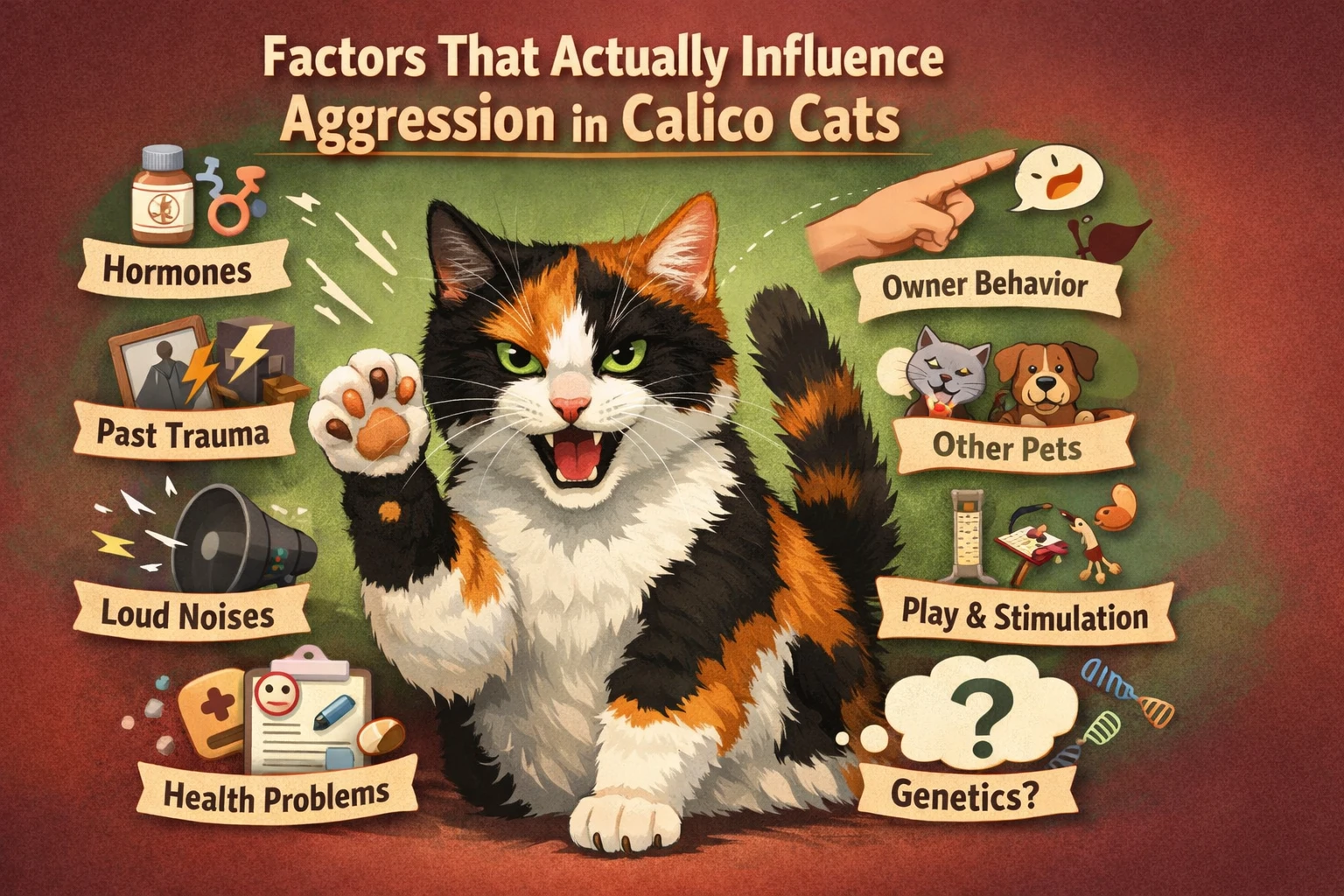
Factors That Actually Influence Aggression in Calico Cats
Early Socialization
Kittens exposed to gentle handling, people, and varied environments between 2–9 weeks of age are significantly less likely to develop fear-based aggression later in life.
Environment and Stress
Loud households, lack of vertical space, inconsistent routines, or overcrowding can increase stress-related behaviors in any cat, including calicos.
Health and Pain
Undiagnosed medical issues—such as dental pain, arthritis, or urinary problems—are common causes of sudden aggression. This applies to all cats, regardless of coat color.
Owner Interaction Style
Rough play, ignoring warning signs, or forcing physical contact can condition a cat to respond defensively.
Conclusion
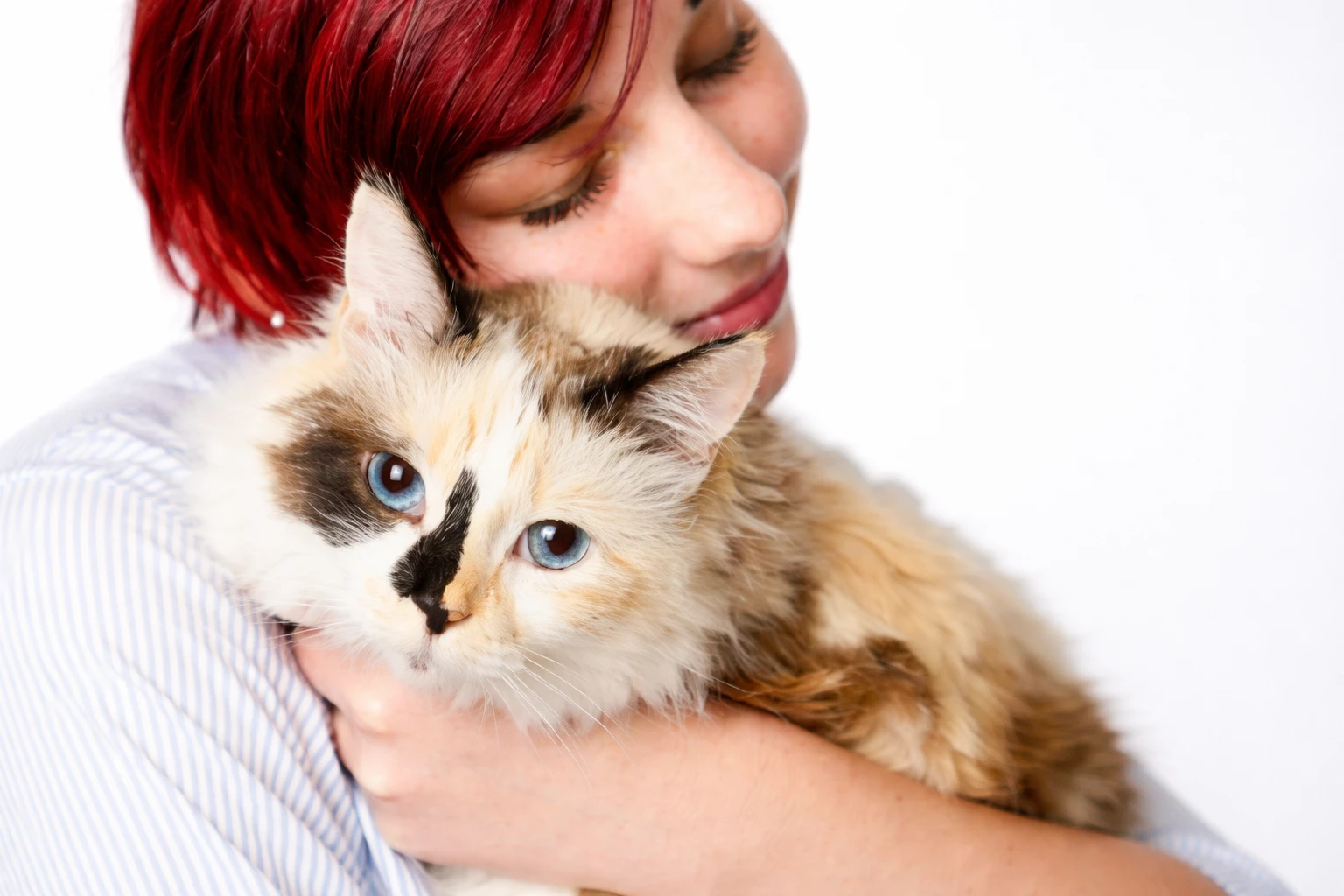
So, are calico cats mean? The truth is that calico cats are not mean, aggressive, or bad-tempered by nature. They are confident, expressive, and full of personality.
Most aggression myths come from misunderstanding their strong boundaries and emotional intelligence. When respected and cared for properly, calico cats are loyal, affectionate, and incredibly special companions.
Understanding their behavior transforms myths into appreciation—and reveals why calico cats are loved by so many.