Calico Cats Proper Diet Plan: Keep Healthy & More Active
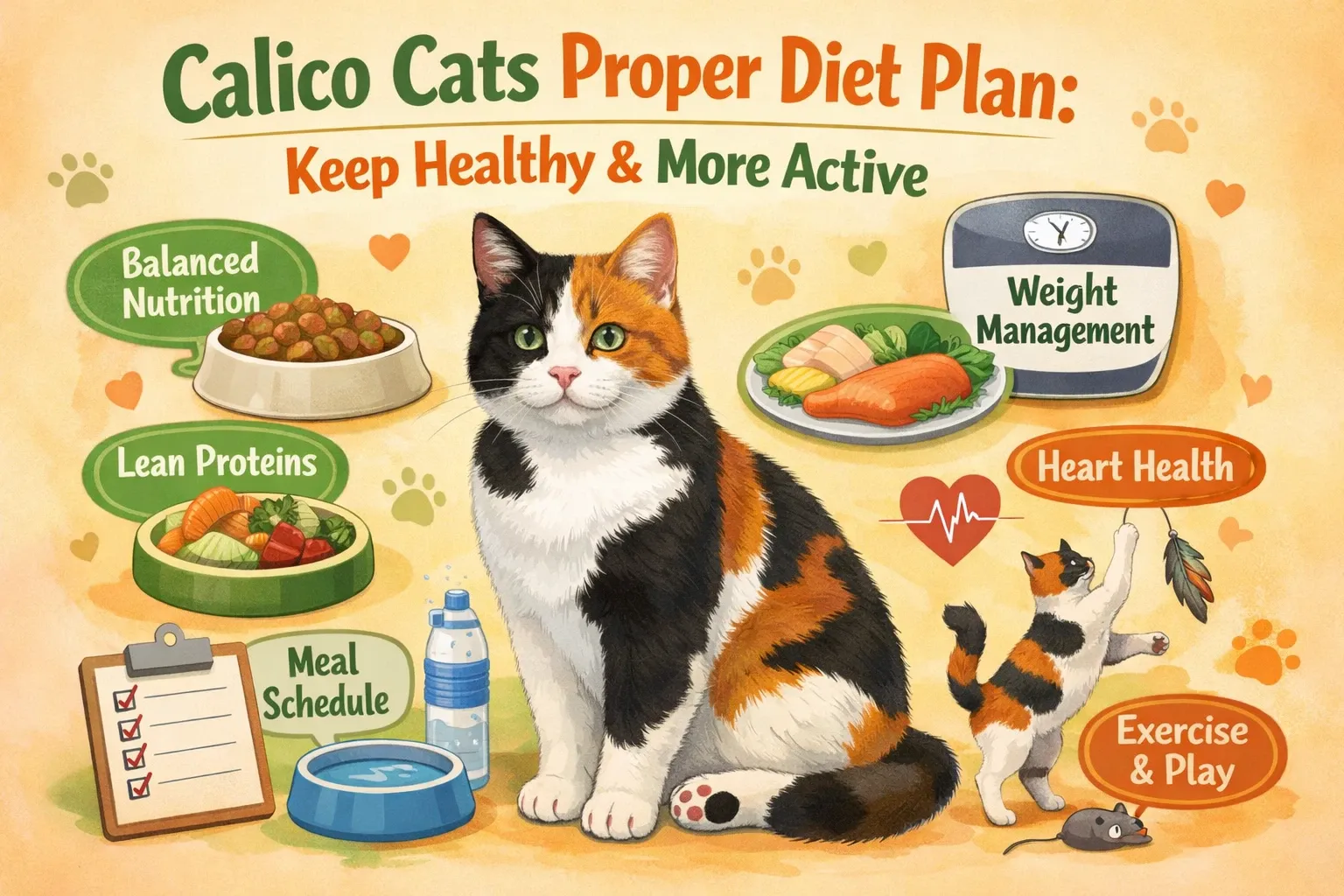
Bringing a calico cat into your home means welcoming a lively and vibrant companion. Known for their striking tri-colored coats and unique personalities, calico cats can make wonderful pets, but they also require proper care to ensure they thrive. This comprehensive guide delves into everything from diet to exercise and wellness practices to help your calico cat live a healthy and happy life.
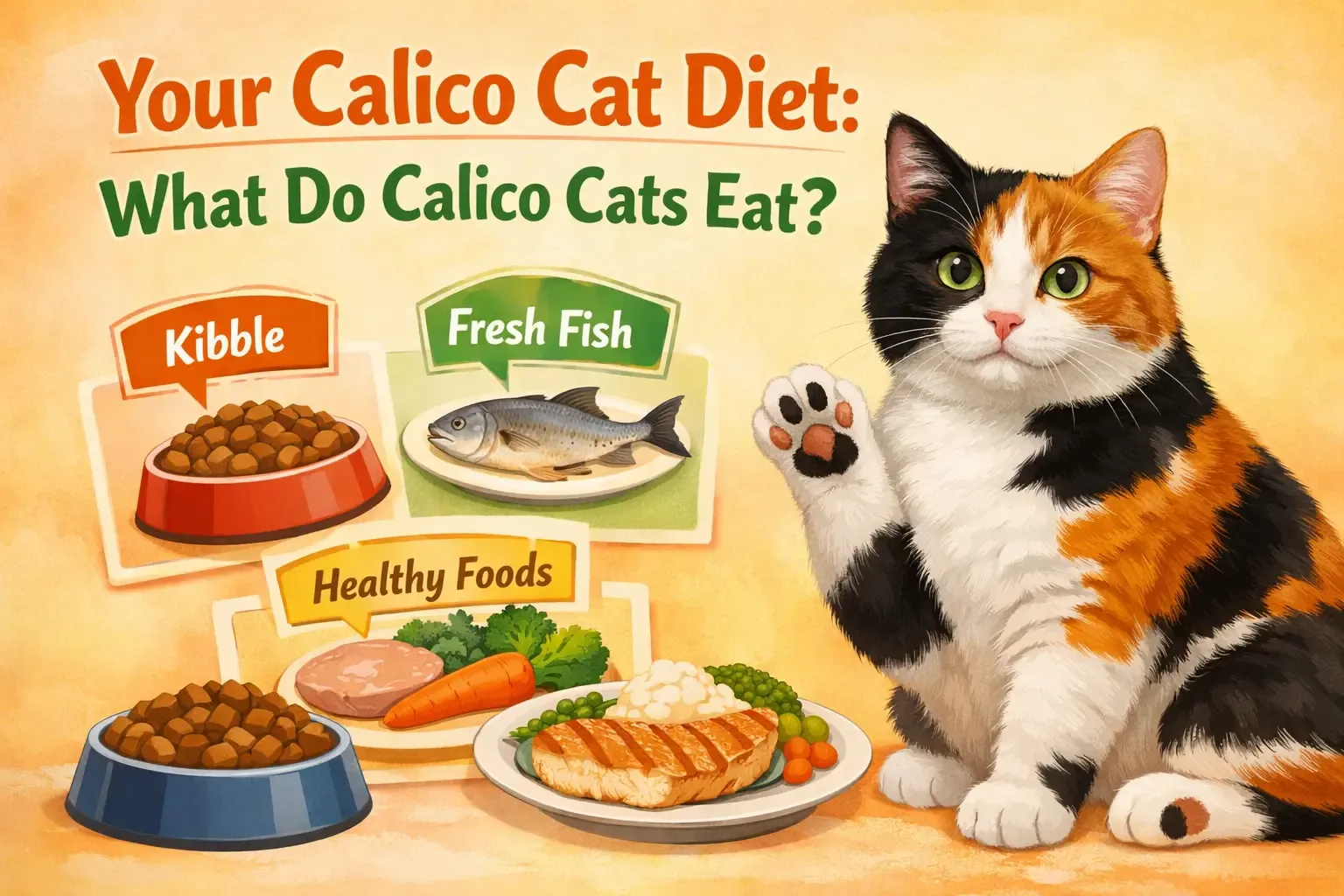
Your Calico Cat Diet: What Do Calico Cats Eat?
To create the right diet plan for your calico cat, it’s important to first understand how their body works. Calico cats, like all cats, are obligate carnivores. This means that their bodies are specifically built to process and thrive on meat. Unlike humans or dogs, who can get nutrients from plants, cats need animal protein to survive.
The most important nutrient they get from meat is taurine, an amino acid that is essential for heart health, vision, and reproduction. Without enough taurine, a cat can develop serious health problems like heart disease and blindness. Cats also use protein—not carbs—as their main source of energy. If their diet is full of plant-based fillers like corn, wheat, or soy, it doesn’t provide them with the nutrients they need and can lead to weight gain and lack of energy.
Proper nutrition is crucial for your calico cat’s health and overall well-being. Like all cats, calico cats are obligate carnivores, meaning they need a diet rich in animal-based proteins to thrive. This ensures they receive the right balance of nutrients to maintain their health, energy levels, and overall body function.
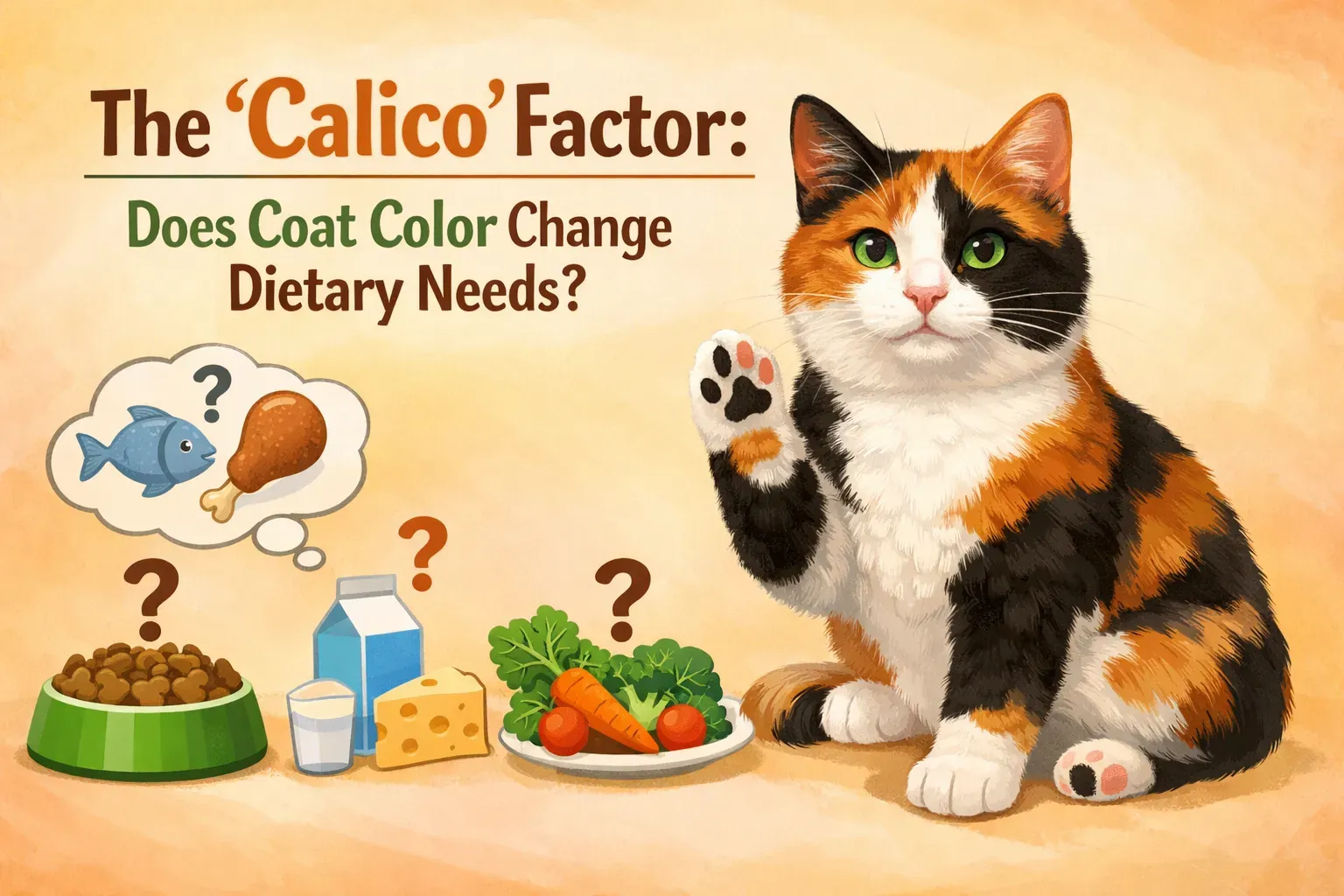
The “Calico” Factor: Does Coat Color Change Dietary Needs?
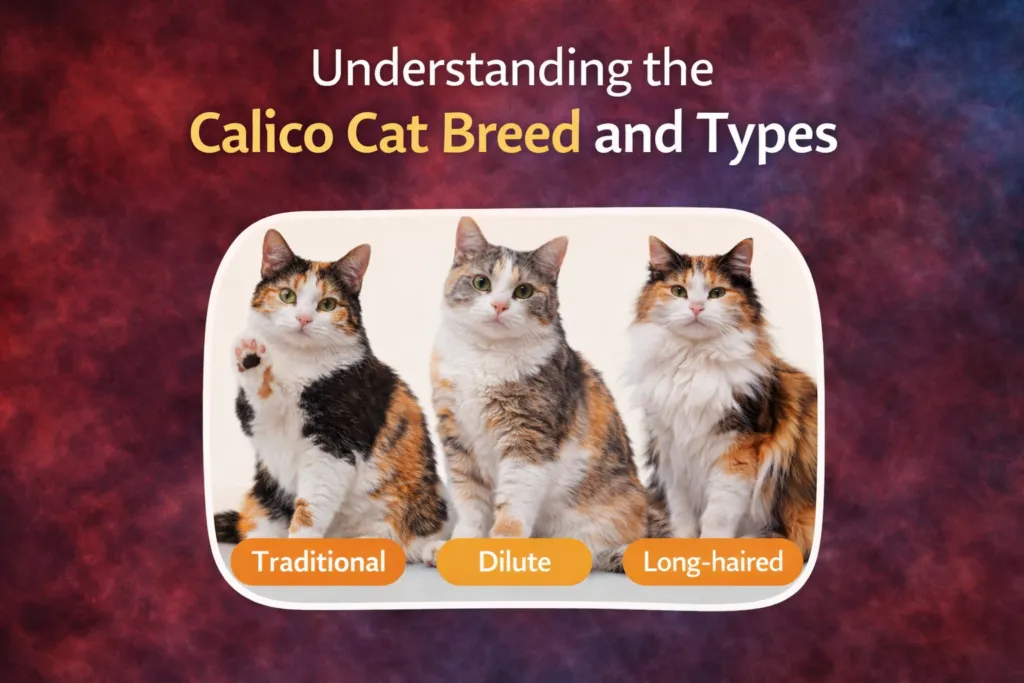
A common question among new calico cat owners is whether the coat color affects their dietary needs. The short answer is no—the gene responsible for their colorful coat doesn’t change how their digestive system works. However, the breed of your calico cat plays a bigger role in their diet.
Since the calico pattern can appear in many different cat breeds, it’s important to adjust their diet based on their specific breed traits. For example, a Persian calico cat is less active and may be more prone to kidney problems, so she will need a diet that’s rich in moisture and controlled in calories. On the other hand, a Japanese Bobtail calico is naturally more energetic and athletic, requiring a diet that’s higher in calories to keep up with her active lifestyle.
Another important factor is that nearly all calico cats are female, and female cats generally have slower metabolisms compared to neutered male cats. This means that female calicos are more likely to gain weight if their food intake isn’t carefully controlled. So, portion control is especially important for your female calico to prevent her from becoming overweight, unlike a male tabby that might not have the same risk.
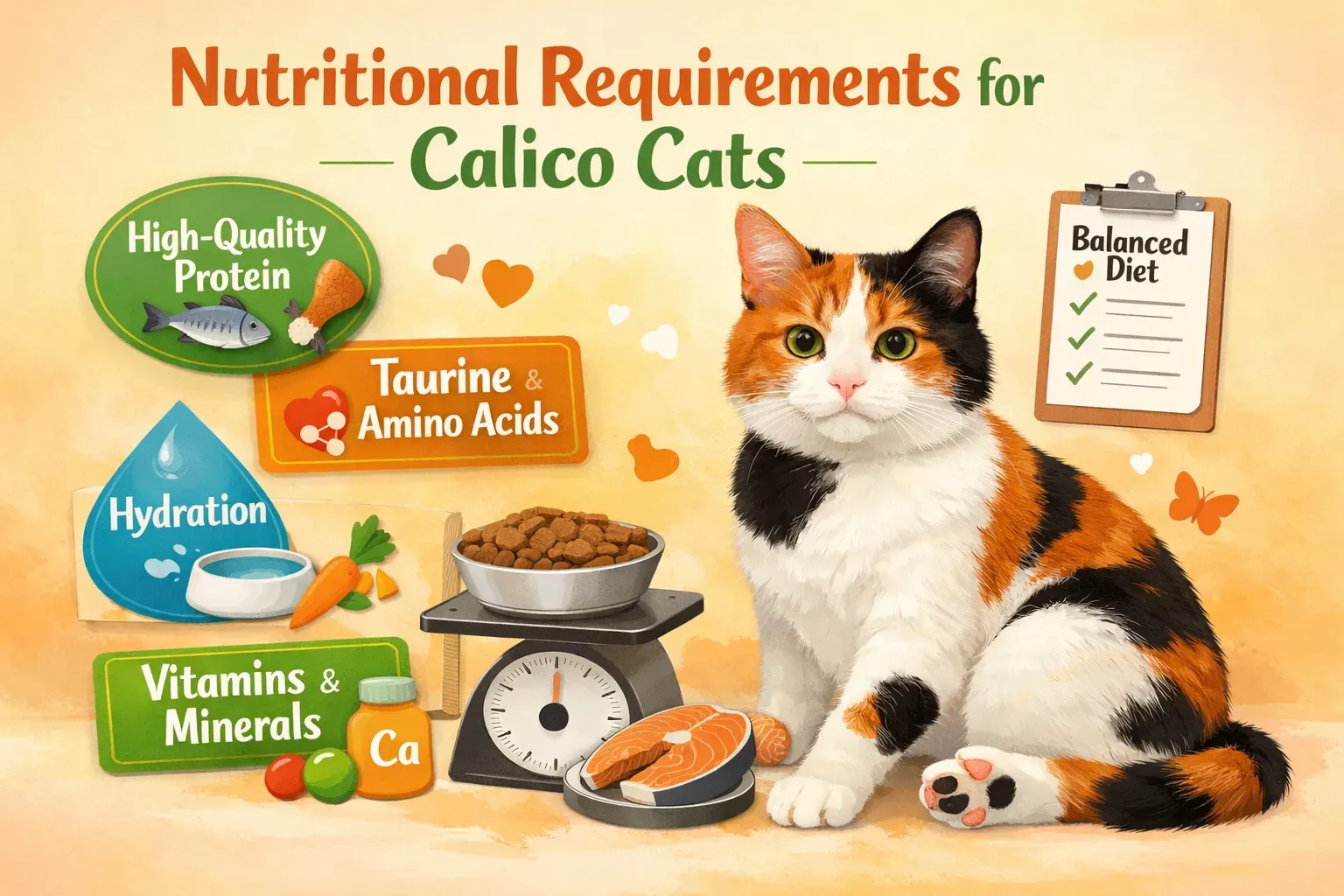
Nutritional Requirements for Calico Cats
A calico cat’s diet should include:
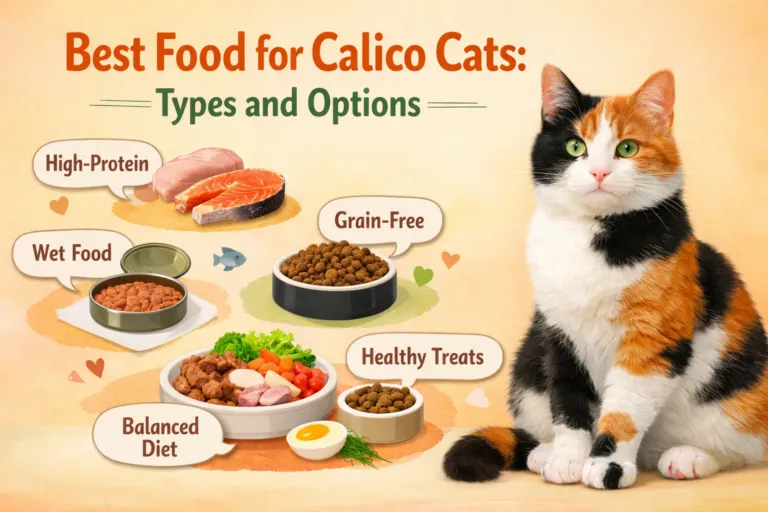
Best Food for Calico Cats: Types and Options
Selecting the right food for your calico cat involves understanding the pros and cons of various types of cat food. Whether you opt for wet food, dry food, or raw options, each type has its advantages and drawbacks.
Wet Food (Canned)
Advantages:
Best Wet Foods:
Dry Food (Kibble)
Advantages:
Disadvantages:
Best Dry Foods:
The Hybrid Approach: For many owners, the best diet plan is a combination. You might feed a measured portion of high-quality dry food in the morning for grazing and a substantial meal of wet food in the evening to ensure hydration. This provides the dental benefits of crunching kibble (which can help reduce tartar) with the hydration benefits of wet food.
Raw Diet
Some calico cat owners prefer feeding their cats a raw diet, which mimics the natural prey they would eat in the wild. However, this diet requires careful planning to ensure your cat is getting all the necessary nutrients and minerals.
Precautions:
If you plan to feed a raw diet, consult a veterinarian to ensure it’s nutritionally complete and safe for your calico.
Prescription Proper Diet Plan
Some calicos may require prescription diets for health issues like kidney problems, urinary health concerns, or diabetes. These foods are designed to support specific health needs and should only be used under a vet’s guidance.
Feeding for a Shiny Coat: The Role of Fats
Calico cats are famous for their beautiful, colorful coats, and keeping them shiny and soft requires the right nutrients. Healthy fats, especially Omega-3 and Omega-6 fatty acids, play a big role in maintaining the vibrancy of your cat’s fur. Without enough healthy fats, your cat’s coat might become dry, flaky, and start shedding more than usual.

Look for foods that include Omega-3s and Omega-6s, which are commonly found in fish oils (like salmon or krill oil) and flaxseed. These healthy fats support the skin, help protect against allergies, and give the fur a glossy shine. If your calico’s fur looks dull, or its black patches seem rusty, it might mean it’s not getting enough of these fatty acids in its diet. A simple fix is adding a few drops of fish oil to their wet food – this can work wonders for their coat’s health and appearance.
Calico Cat Food Diet: Age-Specific Feeding
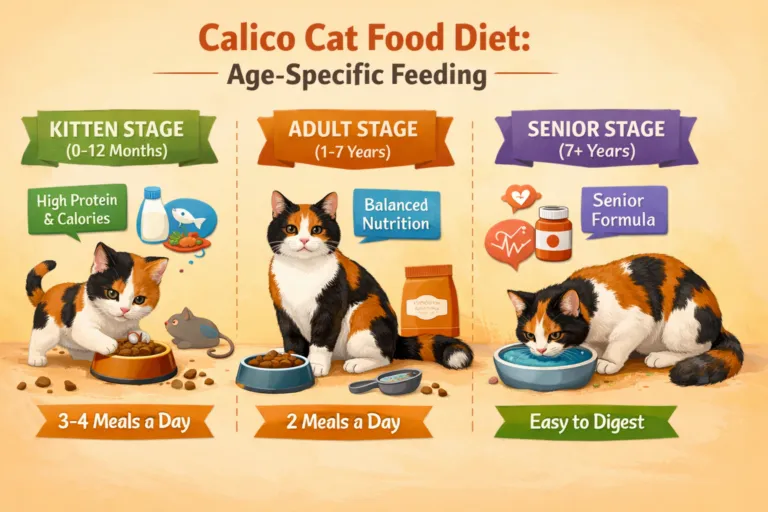
Your calico cat’s diet should evolve as they age. From kittenhood to senior years, their nutritional needs change.
The Kitten Stage (0–12 months):
Calico kittens are bundles of limitless energy. They are growing bones, muscles, and brains rapidly. During this phase, they need a “growth” formula that is high in calories, protein, and calcium. DHA (an omega-3 fatty acid) is essential for brain and vision development. Kittens should be fed 3-4 small meals daily. You should not worry about portion restriction for a kitten; they burn energy incredibly fast. Feed them as much as they will eat in three to four meals a day to support their development.
The Adult Stage (1–7 years):
Once growth stops, metabolism slows down. This is the danger zone for weight gain. Transition to an “adult maintenance” diet. This is where you must stop free-feeding and start measuring portions.
For adult calico cats, feed a balanced adult maintenance formula. Typically, two meals per day are sufficient. Pay attention to your calico’s weight and adjust portions accordingly, as obesity is common in cats. High-protein, moderate-fat content is key for maintaining a healthy weight and muscle tone.
The Senior Stage (7+ years):
As your calico enters her golden years, her ability to digest protein and fat may decrease, and her kidneys may need support. Senior diets are formulated to be highly digestible and often have lower phosphorus levels to protect kidney function. If your senior calico starts losing muscle mass (appearing bony along the spine), talk to your vet about switching to a high-protein, easily digestible senior formula. Feeding 2-3 smaller meals daily is ideal, and don’t forget to support their hydration with plenty of water.
What Do Calico Cats Eat: Foods to Include and Avoid
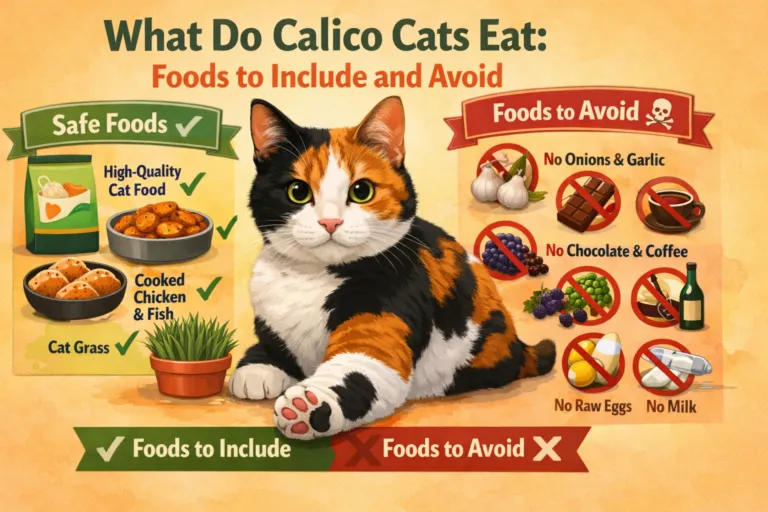
Safe Foods for Calico Cats
Foods to Avoid: The Toxic List
While we focus on what to feed, it is equally important to know what to avoid. Calico cats, with their inquisitive nature, may try to sample human food. Never feed your cat.
Secret Behind Reducing The Overweight Calicos
A heavy cat is an inactive cat. If your calico is overweight, she will not want to play, hunt, or zoom around the house. Obesity creates a vicious cycle of lethargy and further weight gain. To keep your calico active, you must manage her calorie intake rigorously.
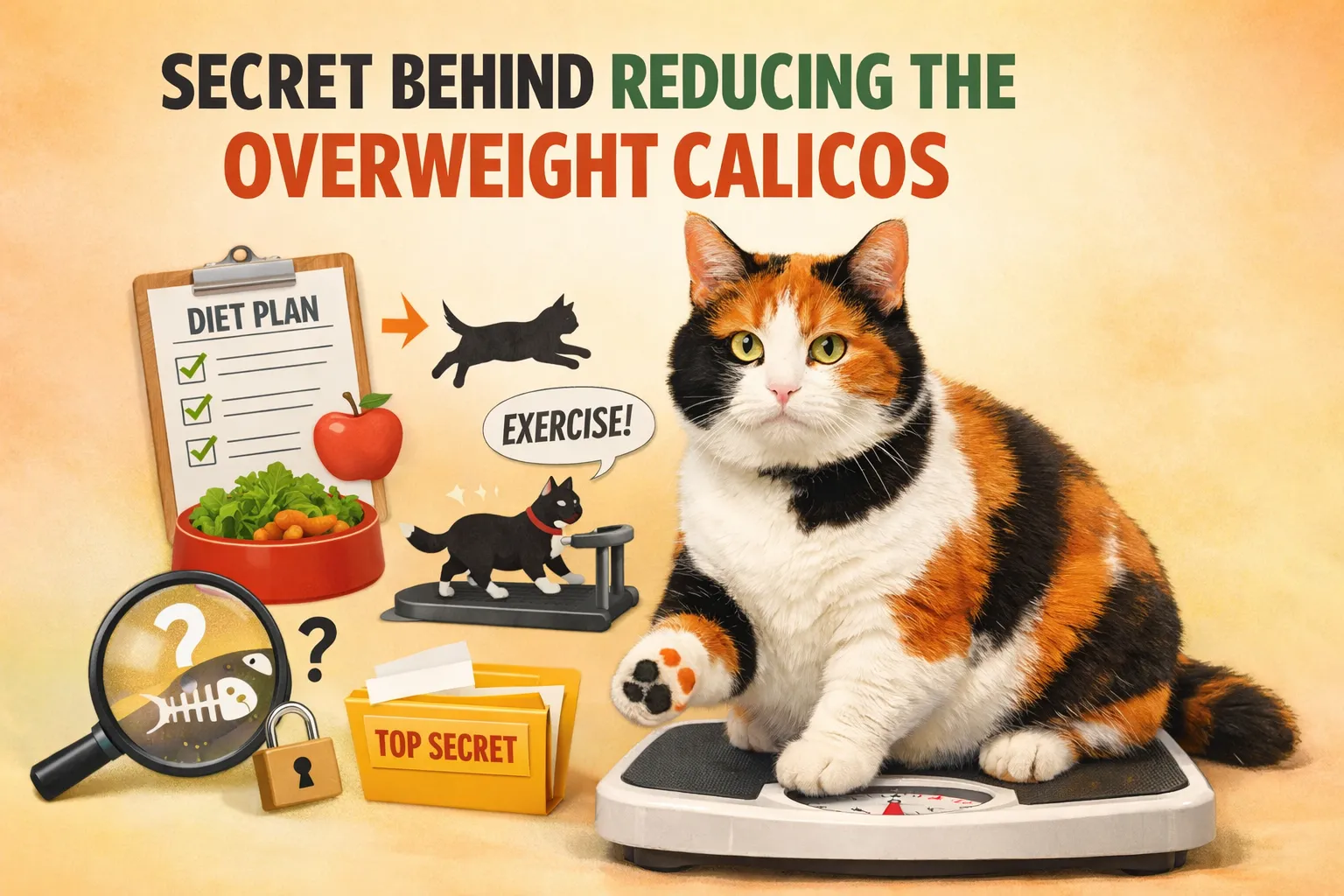
The biggest mistake owners make is looking at the feeding guidelines on the bag. These guidelines are often formulated for un-neutered, active male cats and are far too generous for a spayed, indoor female calico. A good rule of thumb is that an average 10-pound indoor cat needs roughly 200 to 250 calories per day. If you are feeding dry food, this might be as little as 1/3 to 1/2 cup total for the entire day. Using a kitchen scale to weigh the food is far more accurate than using a measuring cup.
Hydration: The Silent Health Factor
Water is one of the most important, yet often overlooked, parts of a cat’s diet. Cats naturally don’t feel very thirsty because they evolved in desert regions where they got most of their water from their prey. As a result, cats eating dry food can end up mildly dehydrated most of the time.
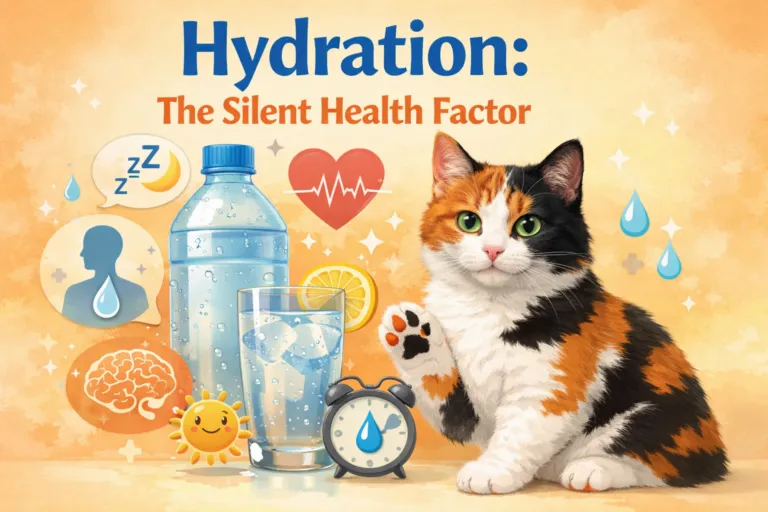
When cats aren’t drinking enough water, they can become sluggish and tired. Over time, this dehydration can put a strain on their kidneys, which can lead to serious health problems.
To help your calico cat stay hydrated, you can try using a cat water fountain. Cats are more likely to drink from moving water because the sound of running water instinctively attracts them more than still water in a bowl. Another simple trick is to add a tablespoon of warm water to your cat’s wet food to make a “soup.” This not only makes their food tastier but also helps them get more water in their diet.

Sample Daily Feeding Schedule
Creating a routine helps regulate your cat’s metabolism and energy levels. Here is a sample schedule for an adult, spayed indoor calico:
Conclusion: Investment in Longevity
Feeding your calico cat a proper diet is not just about filling a bowl; it is about investing in her future. By prioritizing high-moisture animal protein, managing portions to prevent obesity, and adjusting for her life stage, you are building the foundation for a long, vibrant life.
A well-nourished calico will have bright eyes, a glossy tri-color coat, and the energy to display that famous “tortitude” well into her senior years. Remember, every cat is an individual. Pay attention to her energy levels, the condition of her coat, and her litter box habits. These are the true indicators of whether your diet plan is working. With the right nutrition, your calico will be more than just a pet; she will be a healthy, active, and happy member of the family for a lifetime.